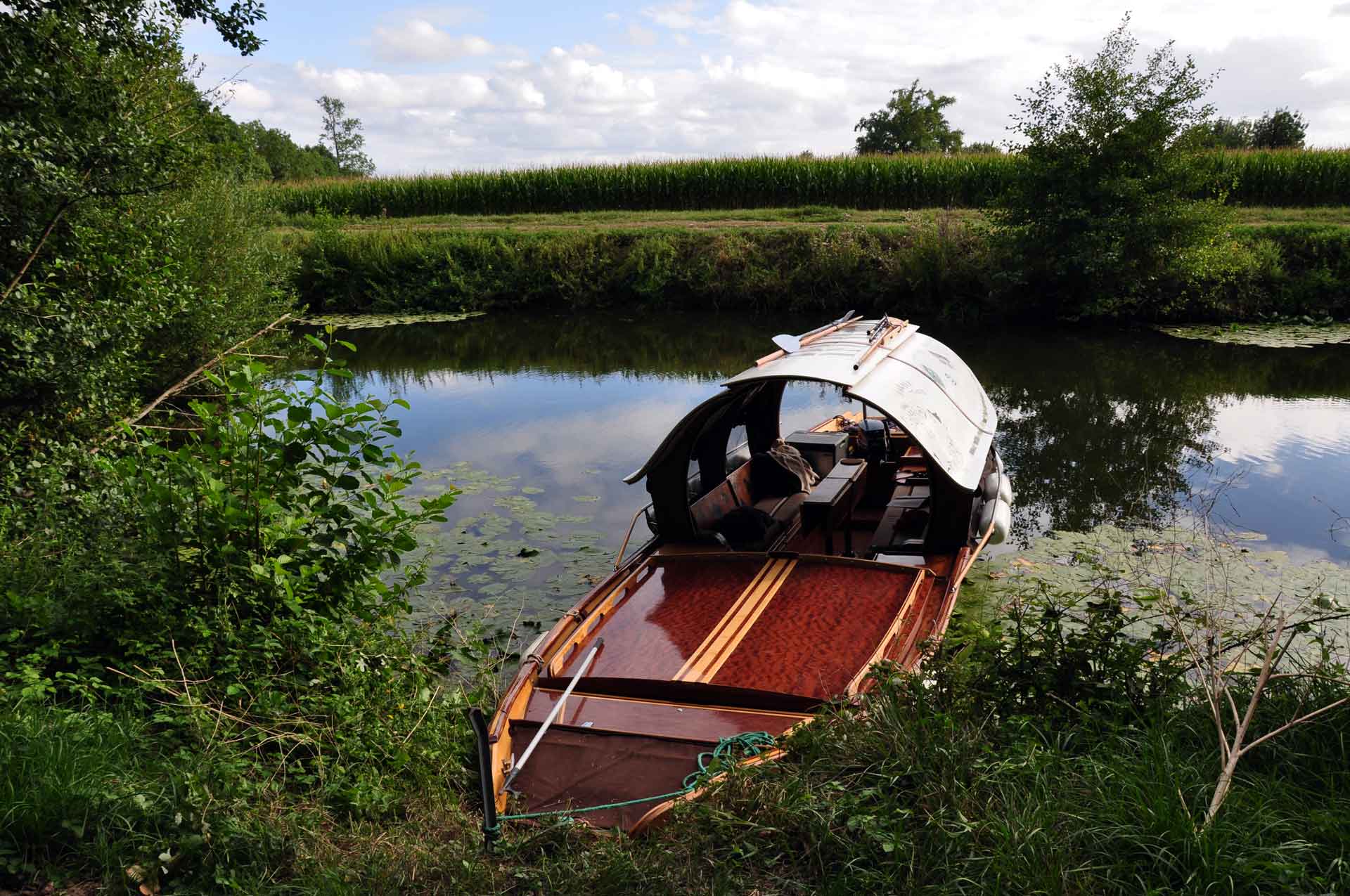
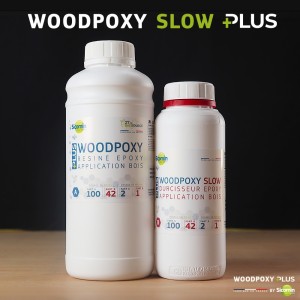

Mahogany runabout with SR 5550
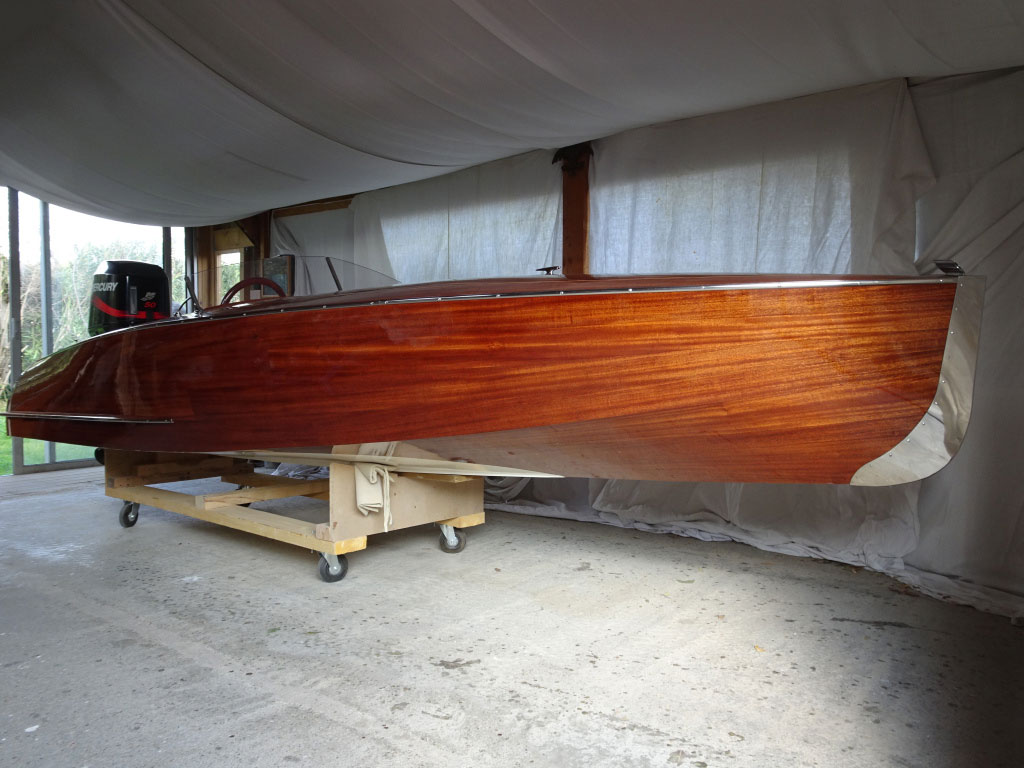
Drawn to the beauty of boat hulls and model boat building from a very young age, Daniel Bourgouin decided to take on a full-scale boat construction project. Captivated by the elegance of the shape and the beauty of varnished wood, he chose to build a runabout.
As a first step, Daniel Bourgouin designed the plans for his small runabout. He drew inspiration from the “Rascal” boat designed by Ken Basset, which recalls the classic boat designs of the 1950s.
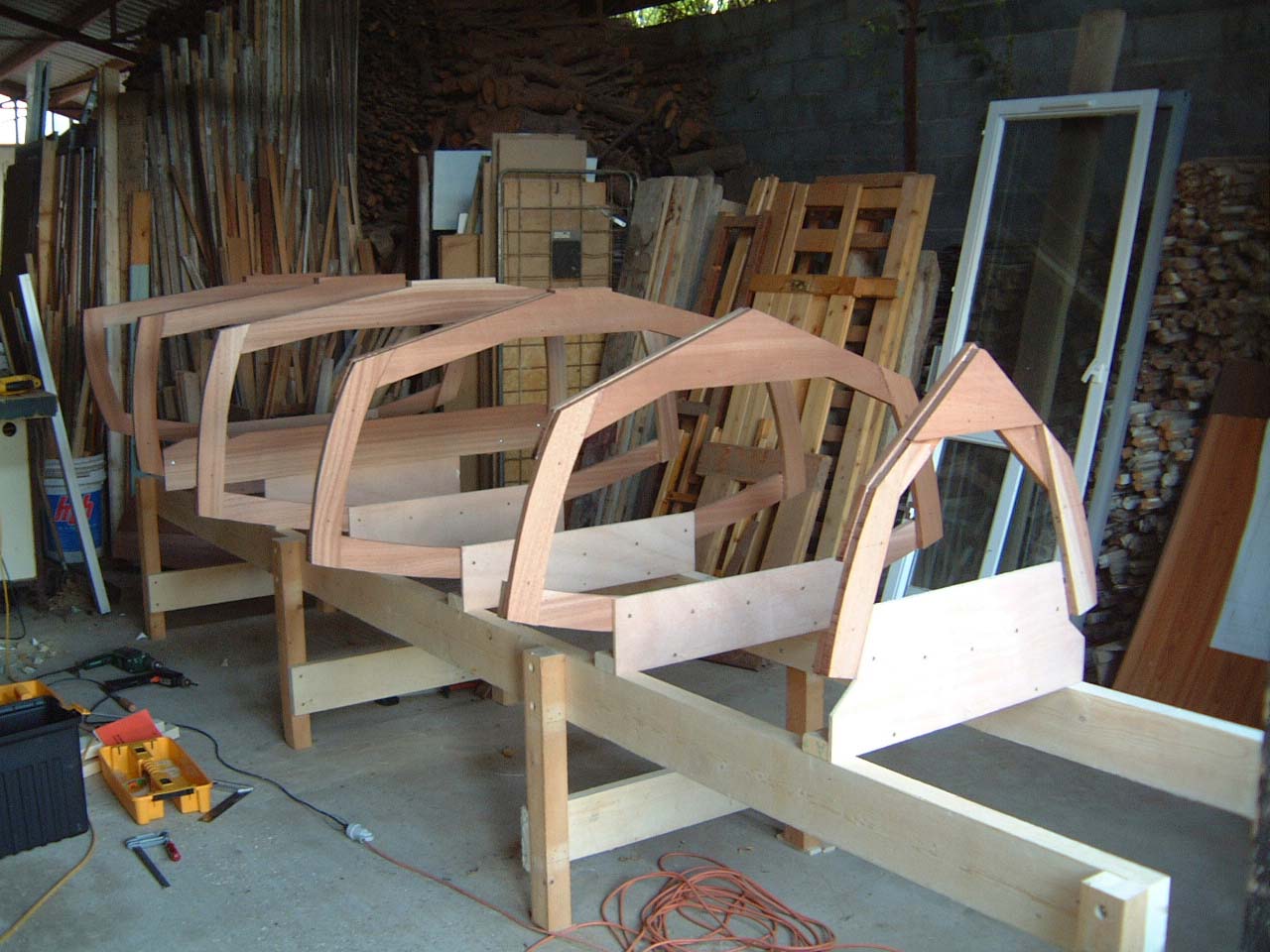
Next came the construction of the first frames and their assembly. Using the plans, he cut these frames from wood with a band saw and assembled them using SR 5550 epoxy adhesive.
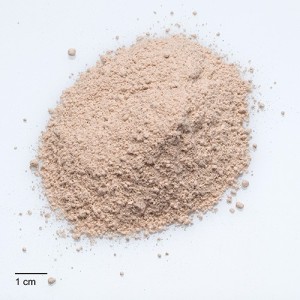
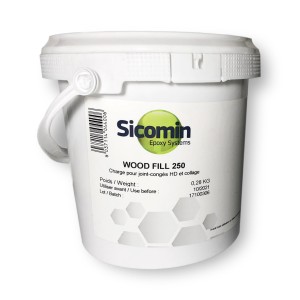
Once the bottom stringers had the correct shape, they were fixed by screwing and bonding, using SR 5550 wood epoxy and Wood Fill 250 filler, into the notches carved in the stem and the transom, as well as into the cut-outs made in each frame.
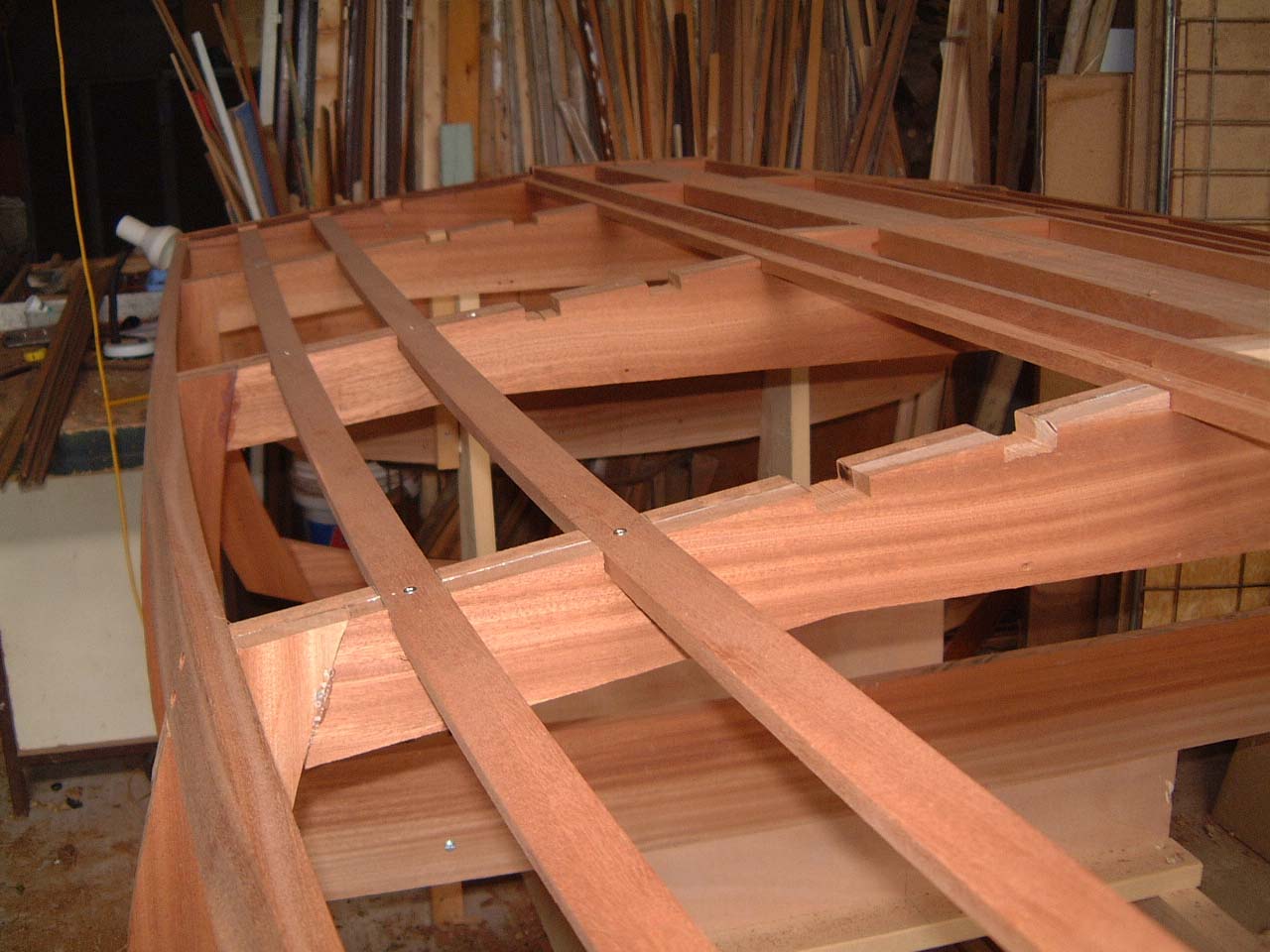
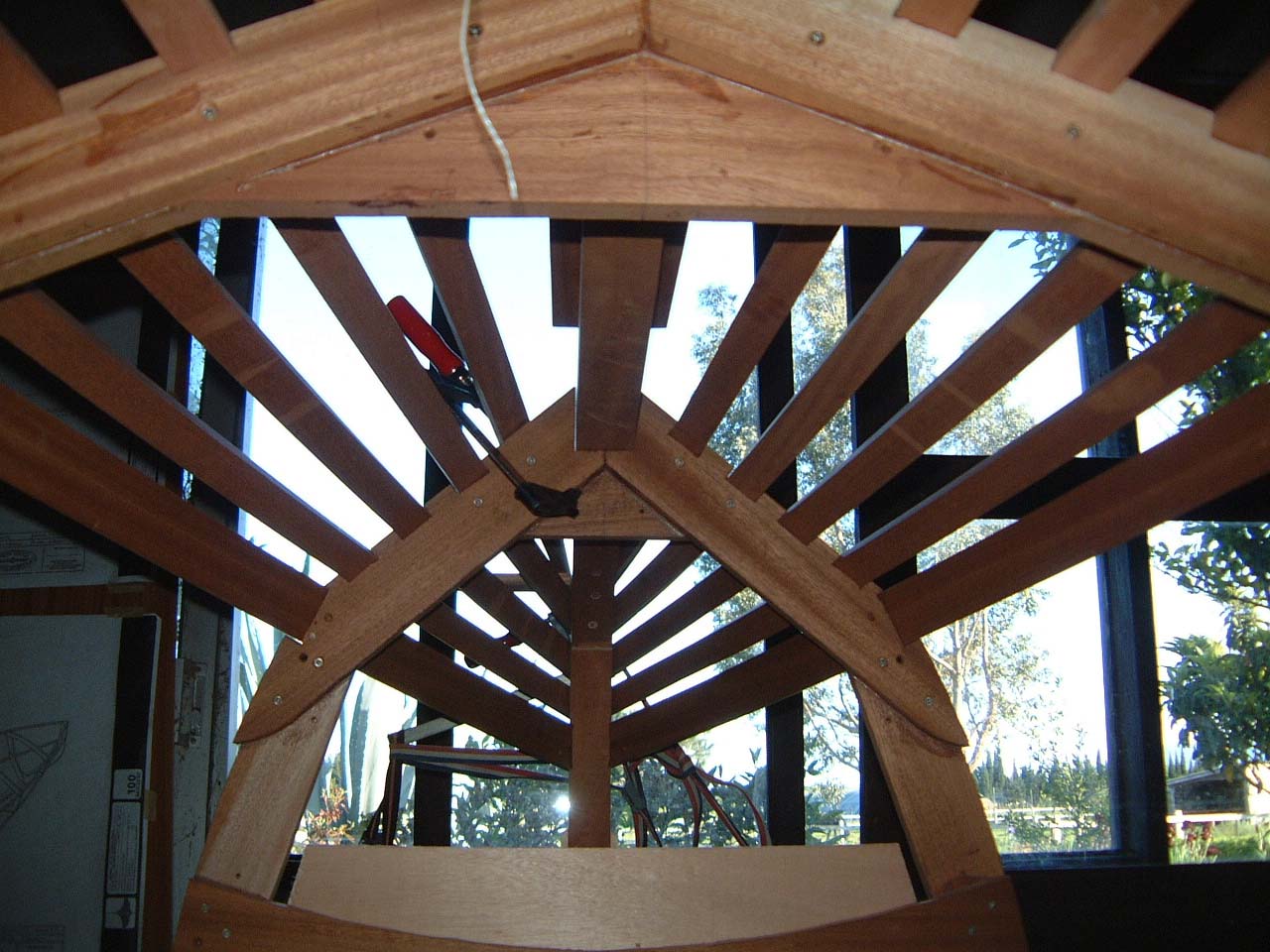
The first planking layer was made from 5 mm plywood using strips laid diagonally. These strips varied in width depending on the amount of curvature required. They were nailed and bonded to the structure using SR 5550 wood epoxy.
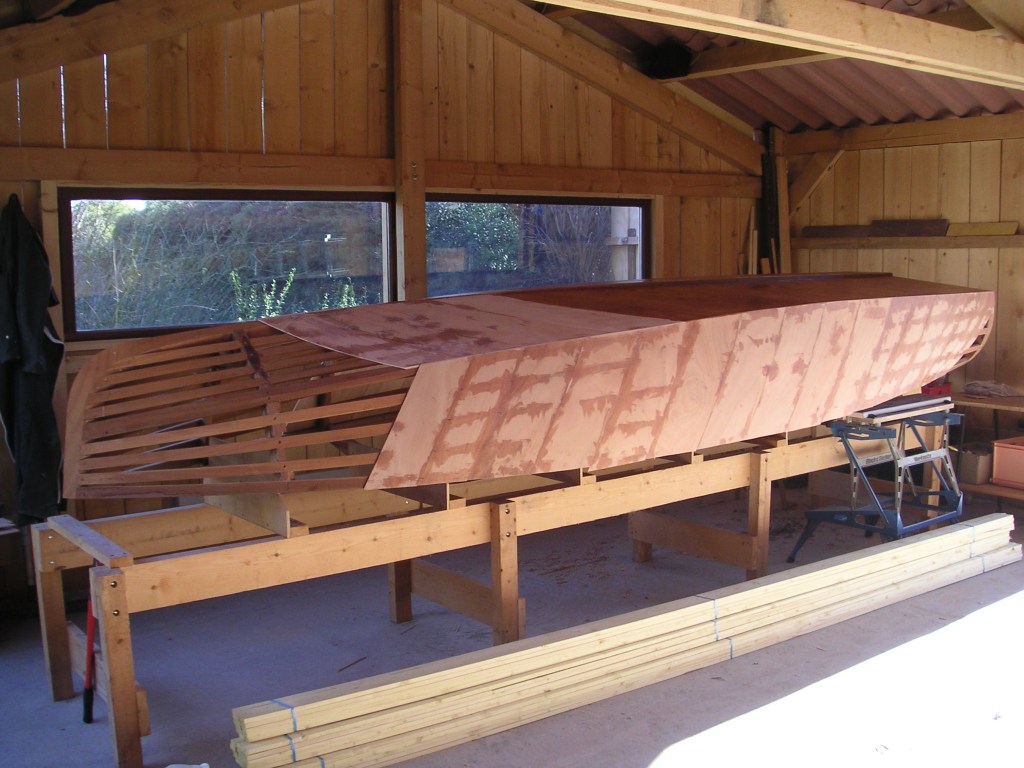
For the second planking layer, Daniel Bourgouin used a construction technique consisting of a plywood thickness doubled with a mahogany veneer. These two wood layers were installed like solid wood planking, with elements running the full length between each stringer or clamp. They were bonded once again using SR 5550 wood epoxy resin combined with the multipurpose Wood Fill 250 filler.
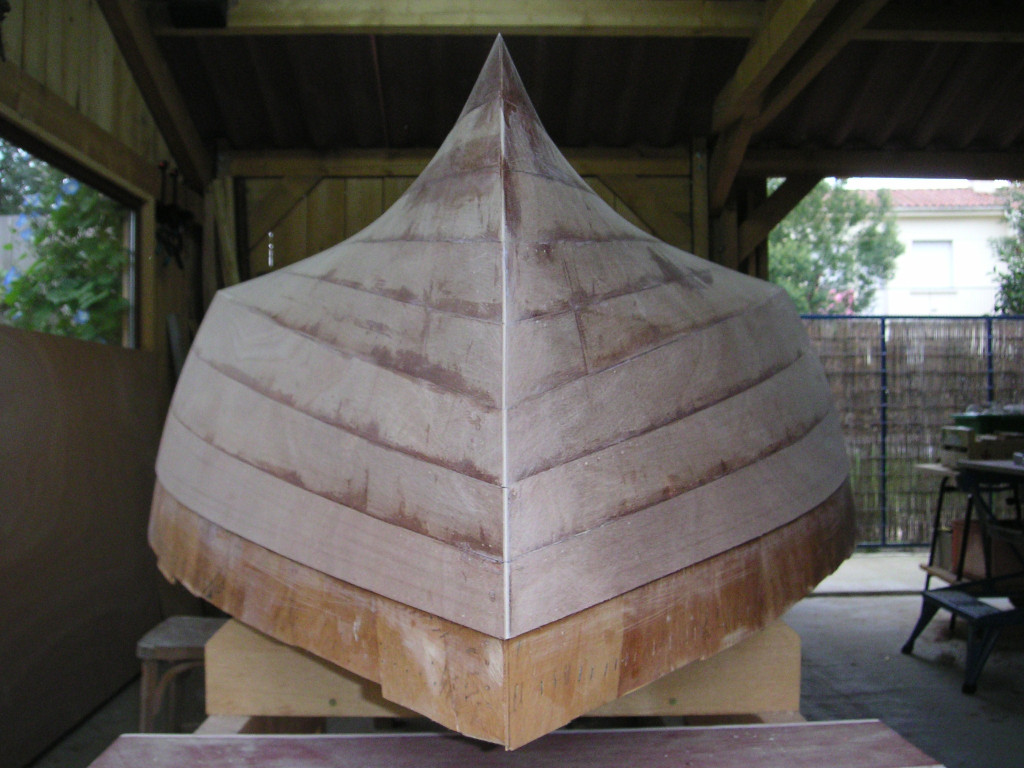
Once the boat was turned over to begin deck construction, an epoxy impregnation was carried out inside the hull. EP 217 thinner was mixed with the SR 5550 resin to reduce viscosity, ensuring long-term durability.
As with the other stringers, these straight stringers were fixed by screwing and bonding using SR 5550 epoxy resin.
To correct any potential geometric imperfections in the hull, Daniel Bourgouin used Mix Fill 10, a soft fairing compound that makes subsequent sanding easier.
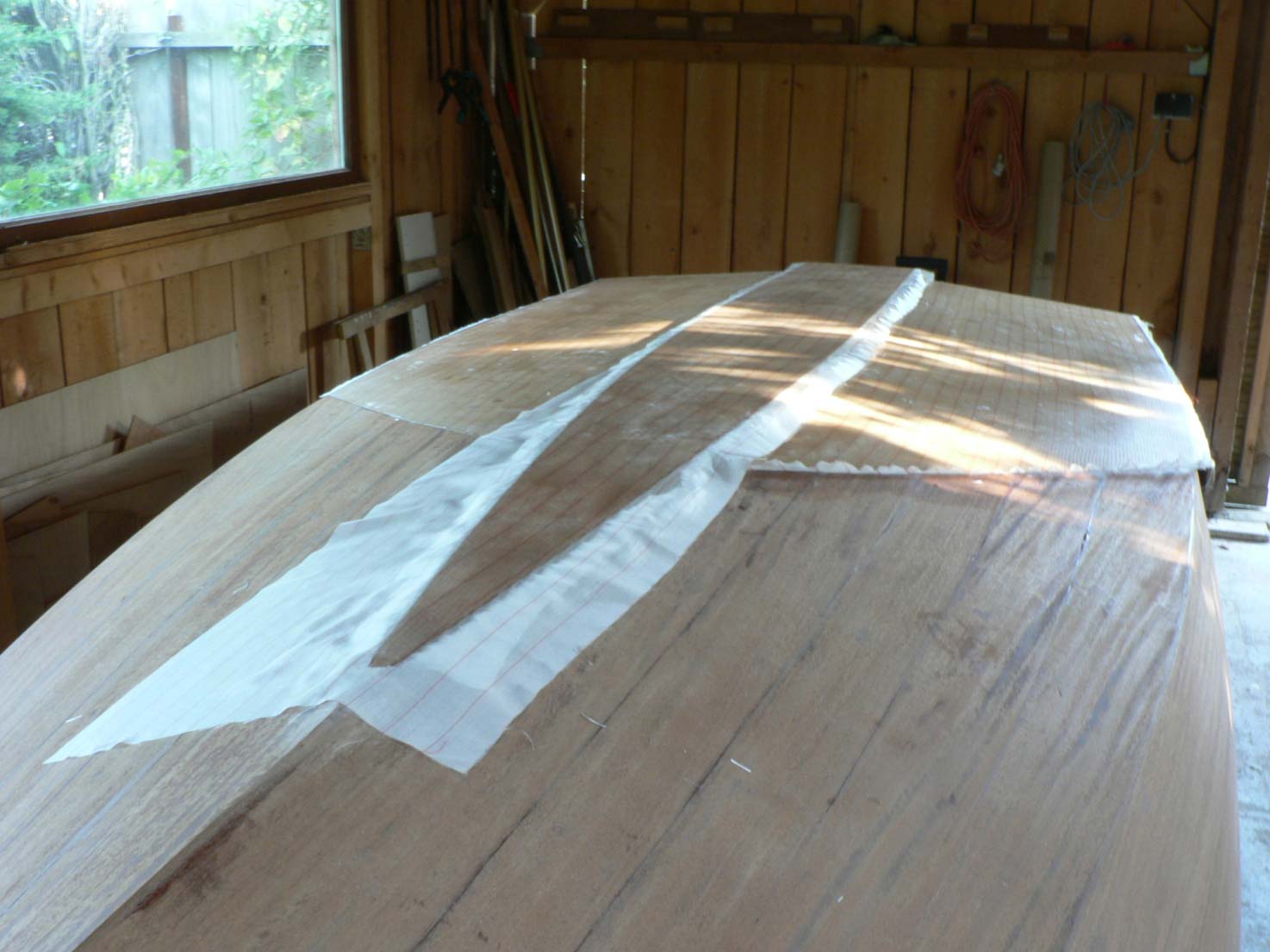
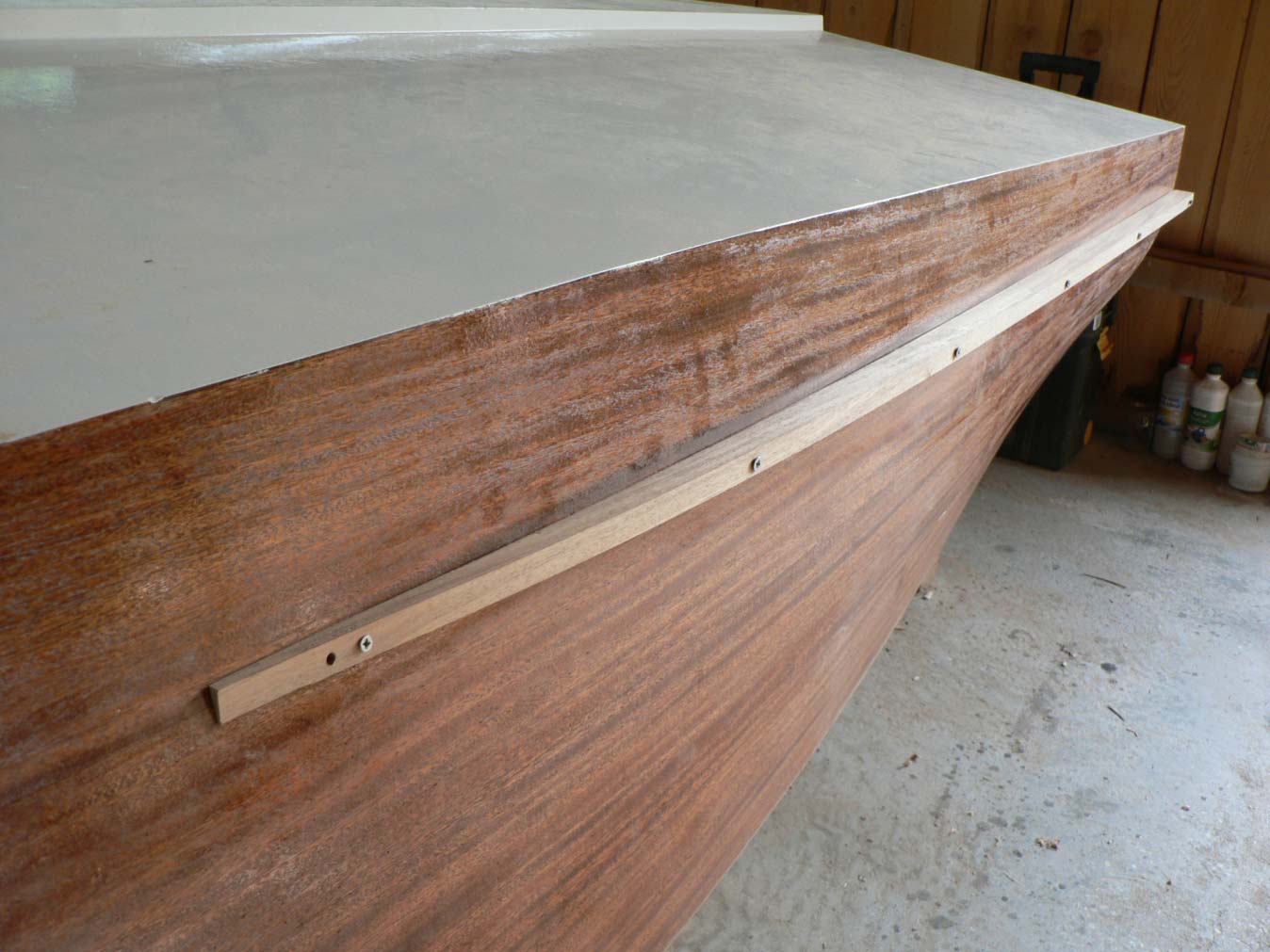
Lamination was carried out using a 202 g/m² twill woven glass fabric and Peeltex peel ply in order to achieve the best possible surface finish and thus limit fairing and sanding before painting. This operation was only performed on a small section of the bottom, the most exposed area and the one that would later be in contact with water. The rest of the bottom and the hull sides were impregnated with SR 5550 epoxy resin mixed with EP 217 thinner and will be varnished later.
You can find the full explanation and more photos of the mahogany runabout construction on the blog: idarunabout
Many thanks to Daniel Bourgouin.