No, always use the resin and the hardener from the same system only. Our formulations are designed to be mixed together. If you do not use matching systems, you risk ruining both your mixture and your project.
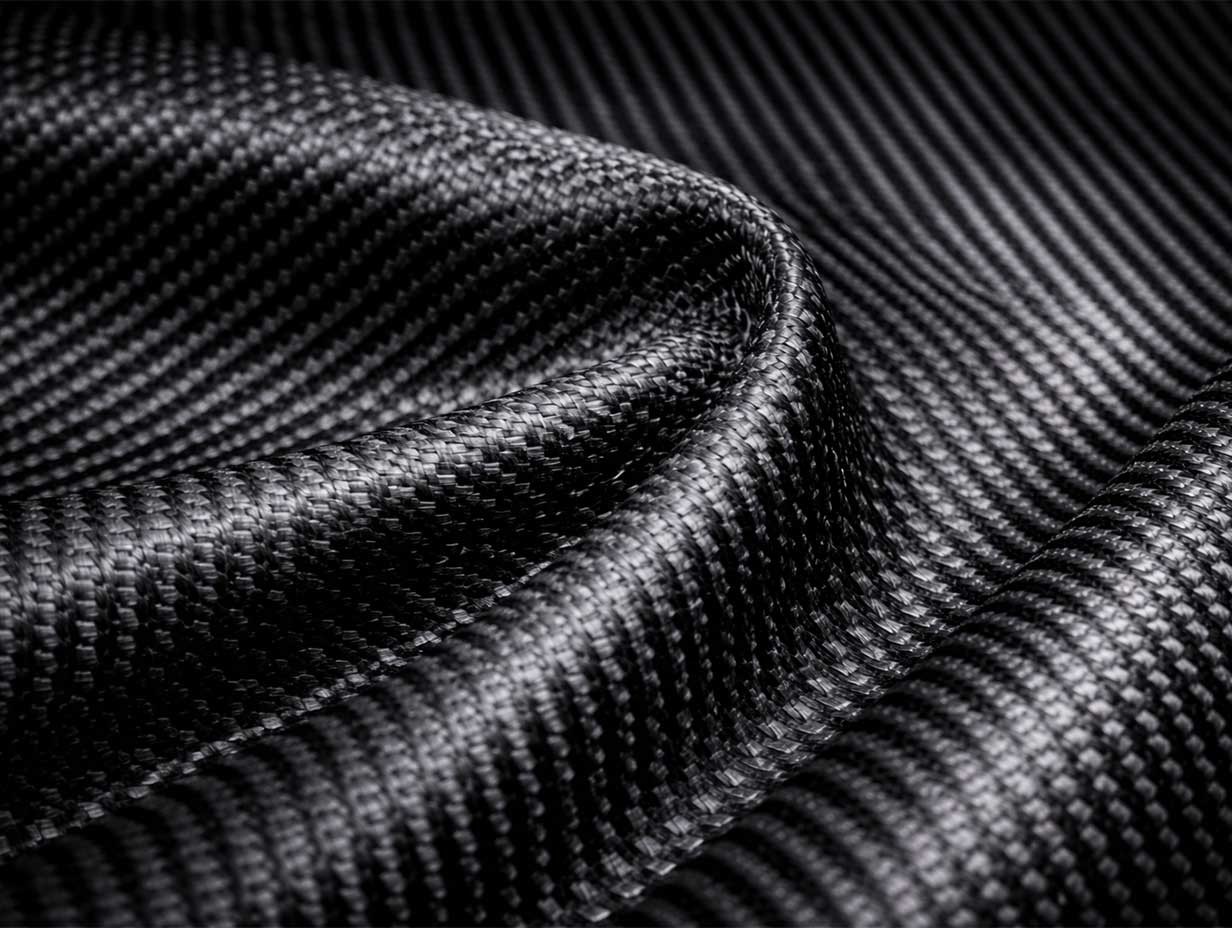
To achieve proper lamination with a fabric (glass, carbon, flax, aramid), it is important to follow the correct application sequence in order to ensure good fibre impregnation and avoid the formation of air bubbles.
The first step is to apply a thin layer of resin directly onto the substrate (wood, foam, metal, composite, etc.). This layer prepares the surface and improves the adhesion of the fabric.
Next, place the dry fabric onto this first layer of resin. The resin already present on the substrate helps hold the fabric in place and facilitates its impregnation.
Once the fabric is properly positioned, apply another layer of resin on top using a brush, roller, or spatula. The goal is to fully impregnate the fibres until the fabric becomes translucent (in the case of glass or flax) or uniformly saturated.
After applying the resin, it is recommended to perform air removal using a laminating roller (bubble roller). This step helps remove trapped air within the fibres and ensures a uniform and strong laminate.
If multiple layers of fabric are required, simply repeat the same process:
resin → fabric → resin → air removal.
Following this sequence ensures optimal fibre impregnation, good bonding between layers, and maximum mechanical performance of the final composite.
STRATPOXY is a two-component epoxy resin (resin + hardener) designed for lamination, repair, waterproofing, and the manufacture of composite parts for individual users.
Wood, sanded metal, fiberglass, carbon fiber, sanded PVC and ABS. It does not adhere properly to silicone, Teflon, or greasy plastics.
 Guides & Tips
 Your achievements