In the world of composites, precision is paramount. Every product has a defined role, and choosing the right material is the first step toward a successful project. When it comes to gel coats, one source of confusion comes up time and again—and it can have critical consequences for the quality of your part: the difference between a molding gel coat and a finishing gel coat, also known as a top coat.
Although they look similar and share the same base chemistry, their formulations are designed for radically different applications. One is made to build, the other to finish. Using one in place of the other is a sure way to end up with a surface that remains tacky—or a part that fails structurally.
The purpose of this article is to clarify this fundamental distinction once and for all, helping you make the right technical choice from the outset and secure the success of your projects.
Molding Gel Coat: The Foundation of Your Part
As its name suggests, molding gel coat is the first layer applied inside a mold that has been properly waxed and prepared. It becomes the future surface—or “skin”—of the part, the one that will be visible after demolding.
Key property: a surface that remains “tacky”
The essential characteristic of a molding gel coat is that its surface, when exposed to air, does not fully cure. It remains slightly tacky.
Why is this vital?
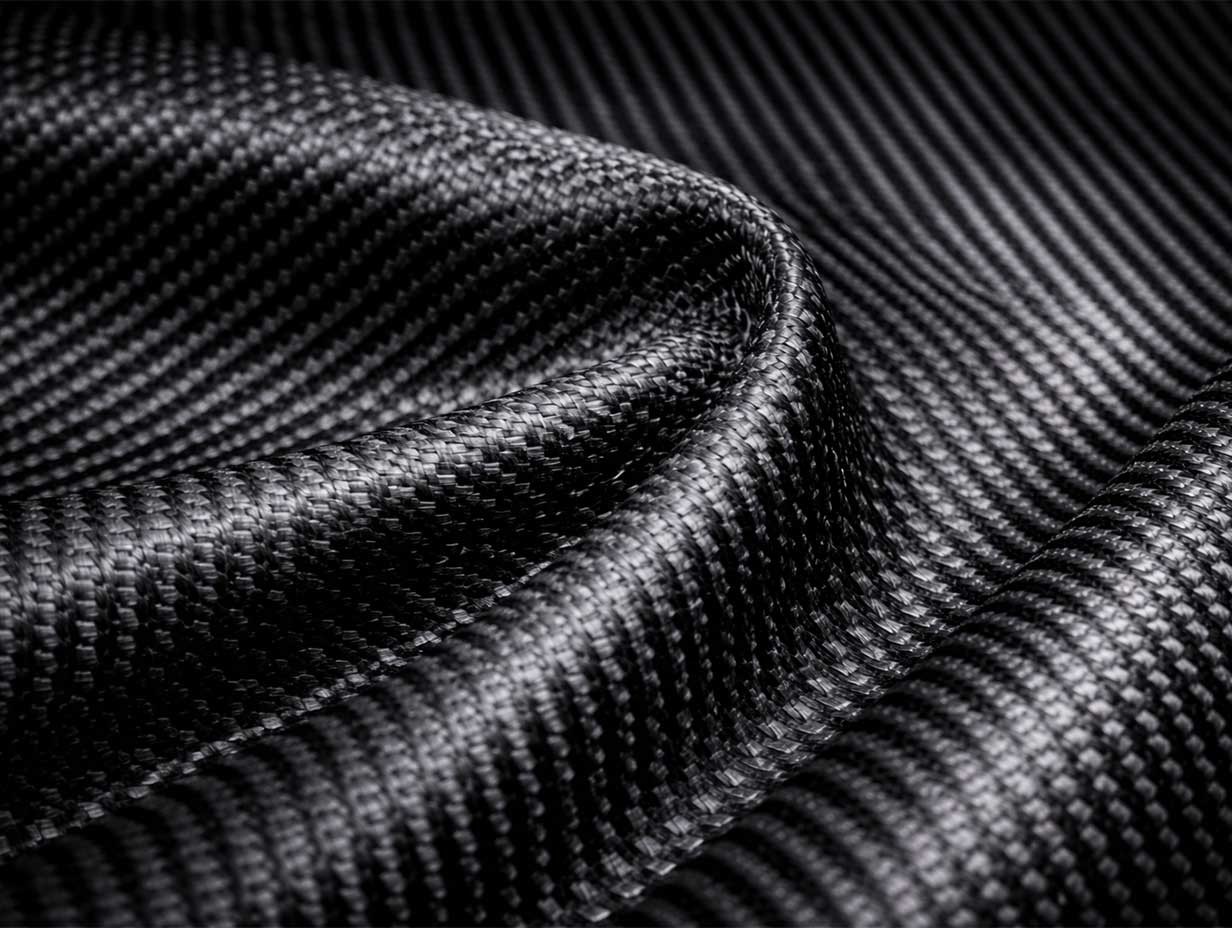
This tacky surface is not a defect—it is a technical requirement. It allows perfect chemical bonding with the subsequent layers of resin and reinforcement fibers (glass, carbon, etc.). Without this chemical adhesion, the laminate would merely be a stack of mechanically bonded layers, with a high risk of delamination. The molding gel coat and the laminate cure together to form a single, monolithic, structurally bonded part.
When should it be used?
-
For manufacturing any new composite part from a mold: boat hulls, body panels, swimming pools, design elements, etc.
-
Whenever you are starting a project inside a mold.
Finishing Gel Coat (or Top Coat): The Final Protective Layer
Finishing gel coat, by contrast, is designed to be the final layer applied over an existing surface.
Key property: a “paraffinized” formulation for air curing
The fundamental difference lies in an additive: paraffin wax dissolved in styrene.
How does it work?
At the time of application, the wax is invisible. During curing, however, it is expelled from the resin and migrates to the surface, forming a continuous, impermeable film that isolates the gel coat from atmospheric oxygen. This barrier allows the surface to cure completely, becoming smooth, hard, and non-tacky to the touch.
When should it be used?
-
For surface repairs on existing parts (chips, scratches on a boat hull).
-
As a finishing layer inside a part to create a clean, watertight surface (inside lockers, anchor wells, etc.).
-
To protect an exposed laminate.
The Mistake You Must Never Make
-
Using molding gel coat for a repair: The surface will remain permanently tacky, attract dust, and can never be sanded properly.
-
Using finishing gel coat in a mold: The paraffin layer that forms on the surface will completely prevent adhesion of the resin and reinforcement. The laminate will separate from the gel coat, and the part will be a total failure.
Conclusion: One Gel Coat for Each Application
As you can see, choosing between a molding gel coat and a finishing gel coat is not a matter of preference—it is an absolute technical necessity.
-
Manufacturing in a mold? You need a molding gel coat.
-
Repairing or finishing an existing surface? Choose a finishing gel coat / top coat.
Mastering this distinction is the key to professional, durable results with no unpleasant surprises. At Sicomin, we offer gel coat systems formulated for each specific application. If in doubt, our technical team is available to help you select the product that will ensure the success of your project.