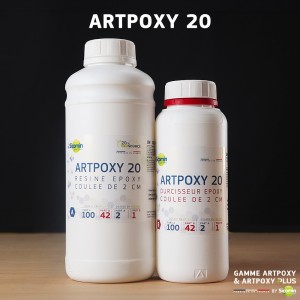
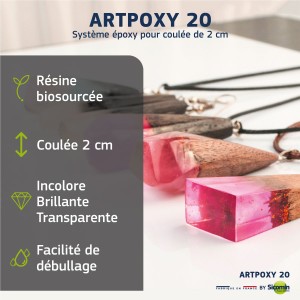
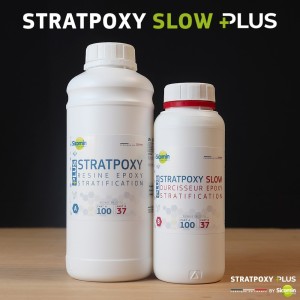

Epoxy resin is attracting more and more enthusiasts. Extremely versatile, it can be used to create decorative objects, repair old furniture, renovate outdated floor coverings, and even design original, one-of-a-kind furniture. Online, epoxy resin offers are everywhere—but be careful to choose the right product. Here are a few tips to help you buy an epoxy resin that truly suits your project.
Choosing an epoxy resin suited to your project
To find the best epoxy resin for your project, you need to consider the properties of the resin itself. Not all epoxy resins are the same. There are several types, each suited to different uses. To identify the characteristics of a specific epoxy resin, rely on the manufacturer’s specifications. This will help you assess how the resin behaves when liquid and how it performs once cured.
1) Low-viscosity epoxy resins (casting resins)
Viscosity describes how fluid a liquid is. Simply put, low viscosity means a liquid is very thin and flows easily—the more fluid it is, the lower its viscosity.
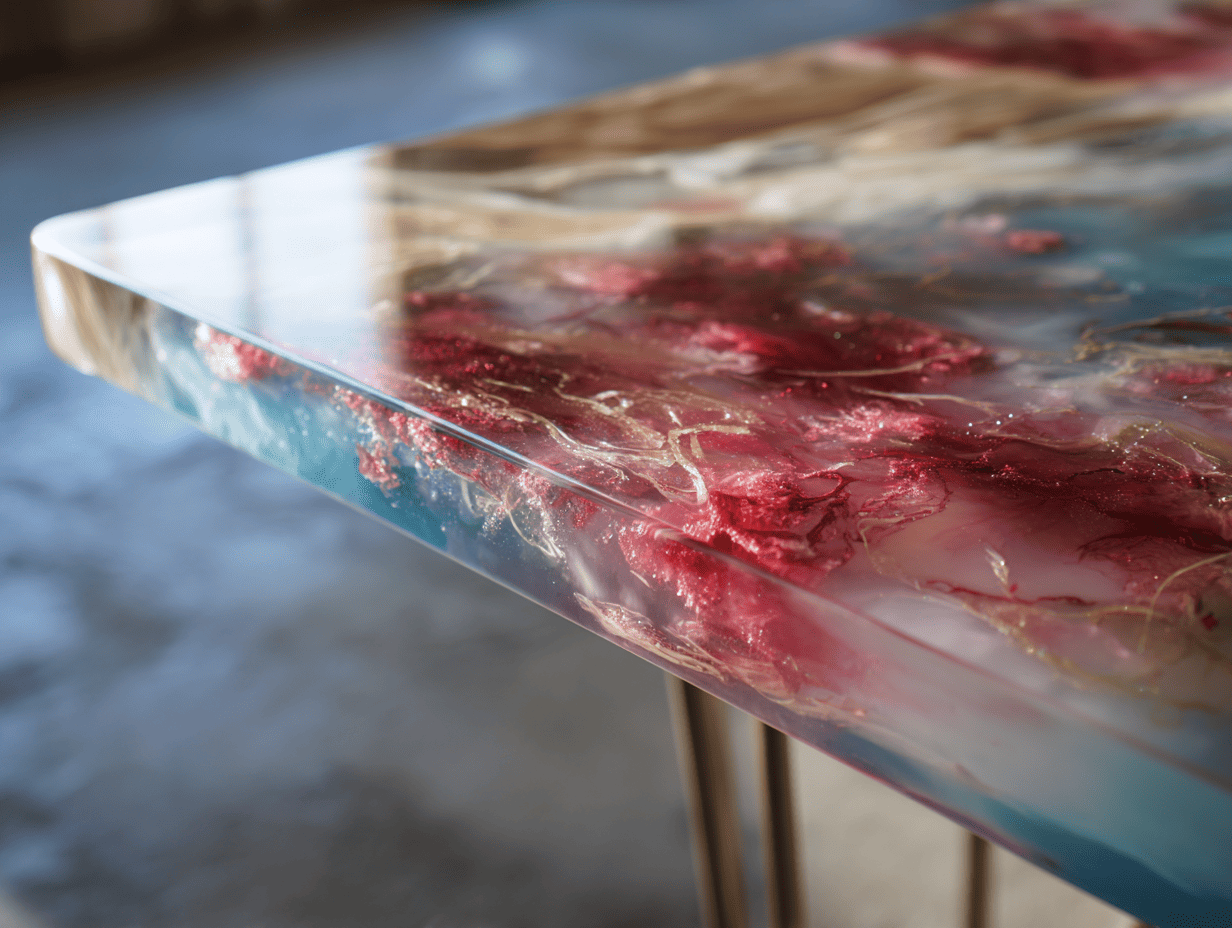
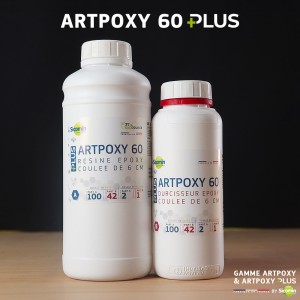
If you are looking to buy a casting resin, you should therefore choose a low-viscosity epoxy resin. For some applications, an almost water-like consistency is recommended. For example, when casting molds or making river tables, the project will be much easier to carry out with a low-viscosity resin.
Be aware that low-viscosity epoxy resins cure very slowly. You should therefore allow for longer waiting times between steps. On the upside, you have more working time and can apply the resin more carefully. A low-viscosity synthetic resin generally needs 12 to 24 hours to cure.
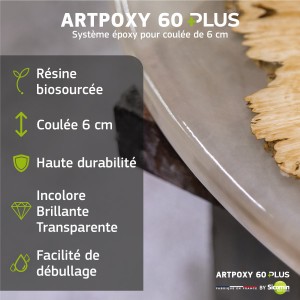
Because the chemical reaction is slower, the resin generates relatively little heat. Unlike medium- or high-viscosity epoxy resins, you can therefore apply thicker layers and larger quantities of resin in a single pour without issues.
When to use low-viscosity resins:
-
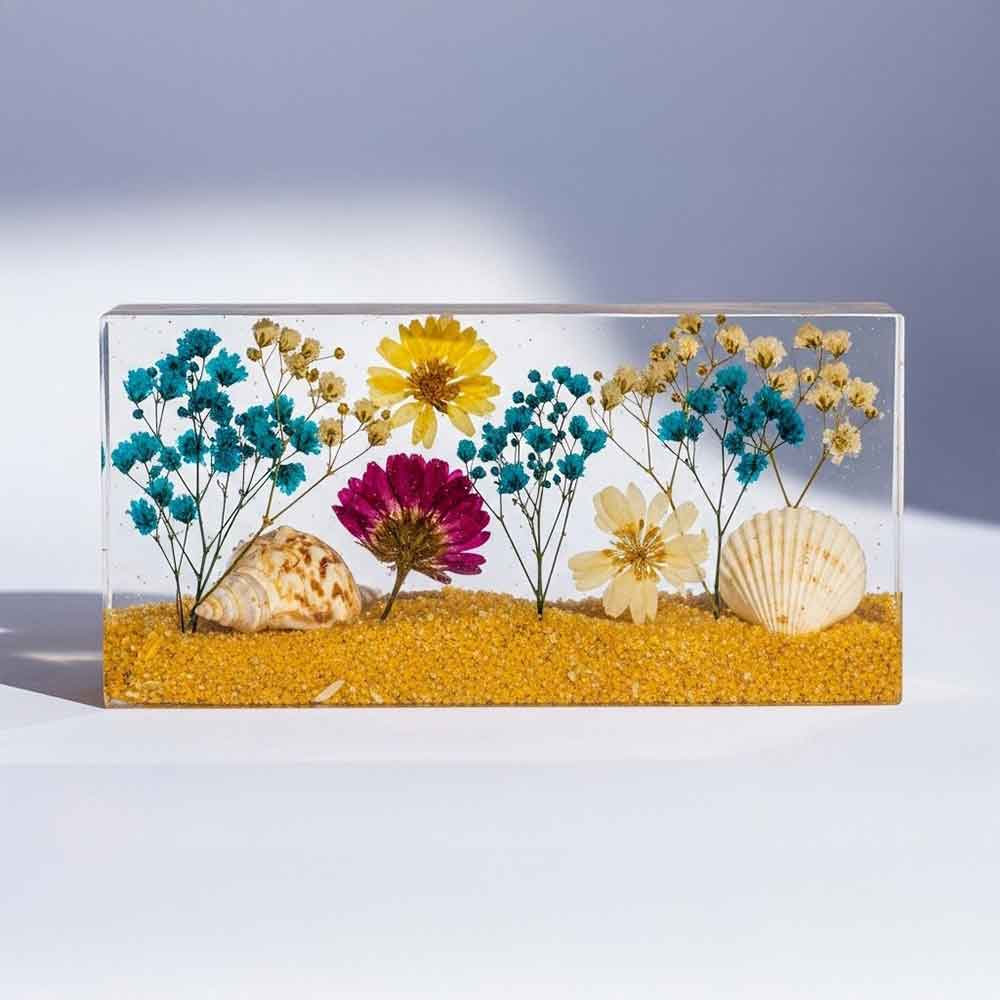
Mold casting
-
Making epoxy resin jewelry
-
Furniture manufacturing (river tables)
-
Filling cracks and holes in wood
-
Creating epoxy resin floors
2) High-viscosity epoxy resins (laminating or coating resins)
Other epoxy resins have a thicker, more viscous consistency, similar to honey. They are often used as a varnish to protect furniture or wooden pieces, as well as for artistic projects such as creating decorative resin geodes.
With high-viscosity epoxy resins, it is essential to follow the manufacturer’s instructions regarding the maximum layer thickness for each application. In many cases, a maximum layer thickness of 1 to 2 centimeters is recommended to ensure a smooth, trouble-free application.
When to use high-viscosity resins:
-
Decorative objects (resin Petri dishes, geodes, etc.)
-
Finishing paintings and artworks
-
Certain epoxy resin jewelry
-
Sealing surfaces such as countertops or tables
Buy a quality product
When searching online, it can be tempting to choose a low-cost product because of its attractive price. Be very careful—products manufactured outside the European Union are often of lower quality.
First, this can end up costing you more, as you may need to buy resin again if the first product does not deliver the desired result. Low-quality resins often lack the clarity of a good epoxy resin and may appear yellowish, resulting in a poor aesthetic finish. You may also encounter difficulties mixing the resin and hardener properly, or the mixture may not cure completely.
Second, low-cost products can be hazardous. Instructions may be poorly translated or missing altogether, leading to mixing errors. Worse still, some products may contain solvents that are harmful to your health and can evaporate during the curing process.
Our final piece of advice is therefore to invest in a high-quality epoxy resin. Whenever possible, choose a manufacturer based in the European Union, whom you can contact easily if you have any questions or doubts.