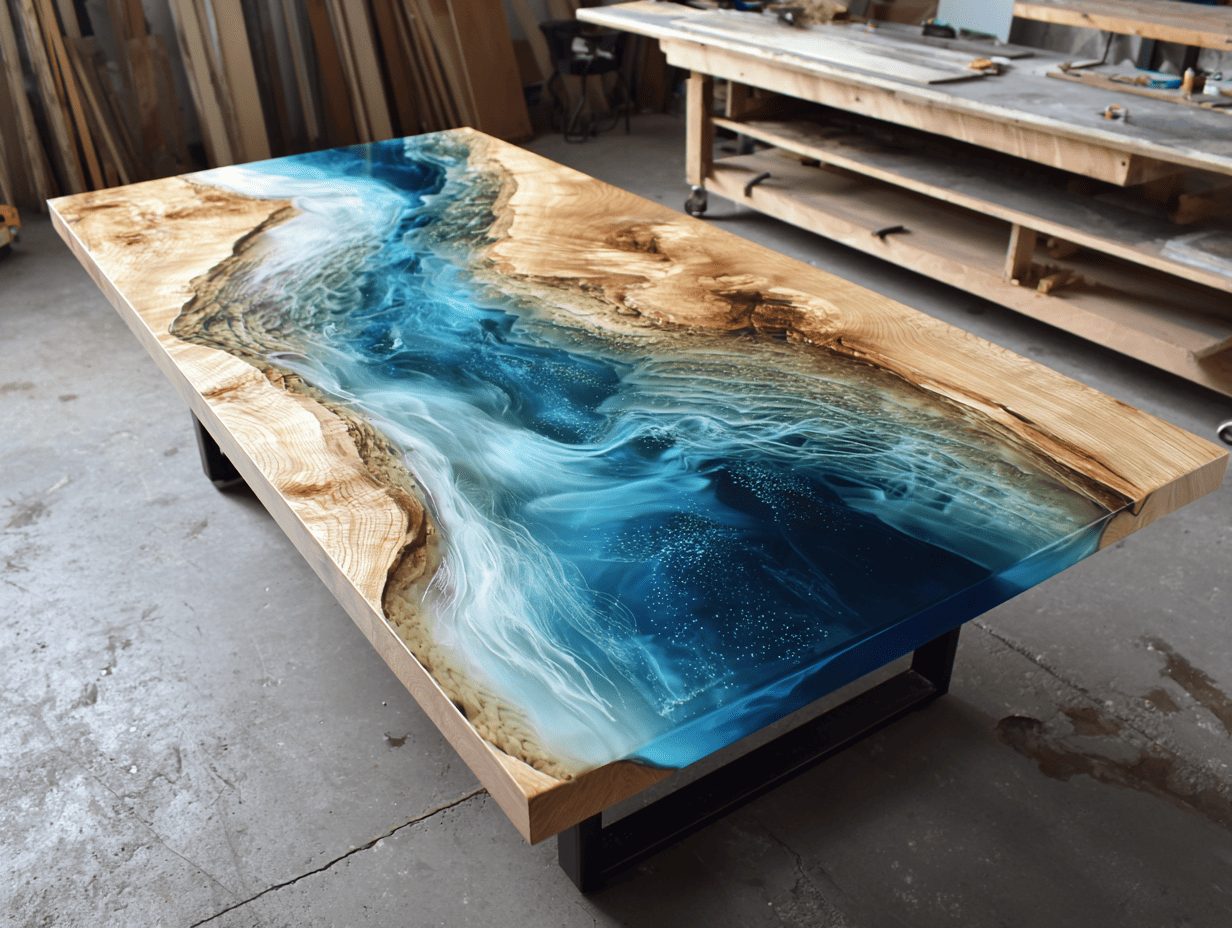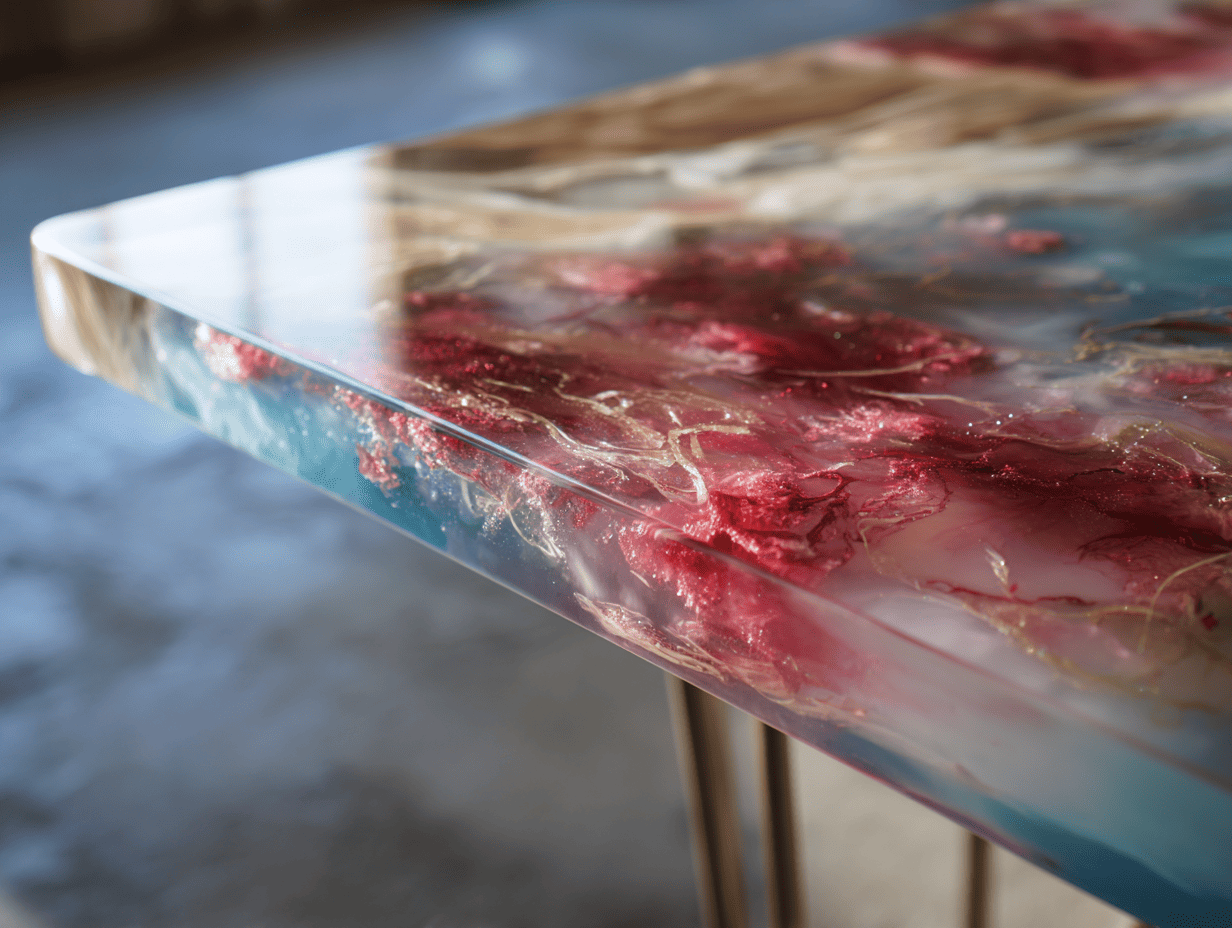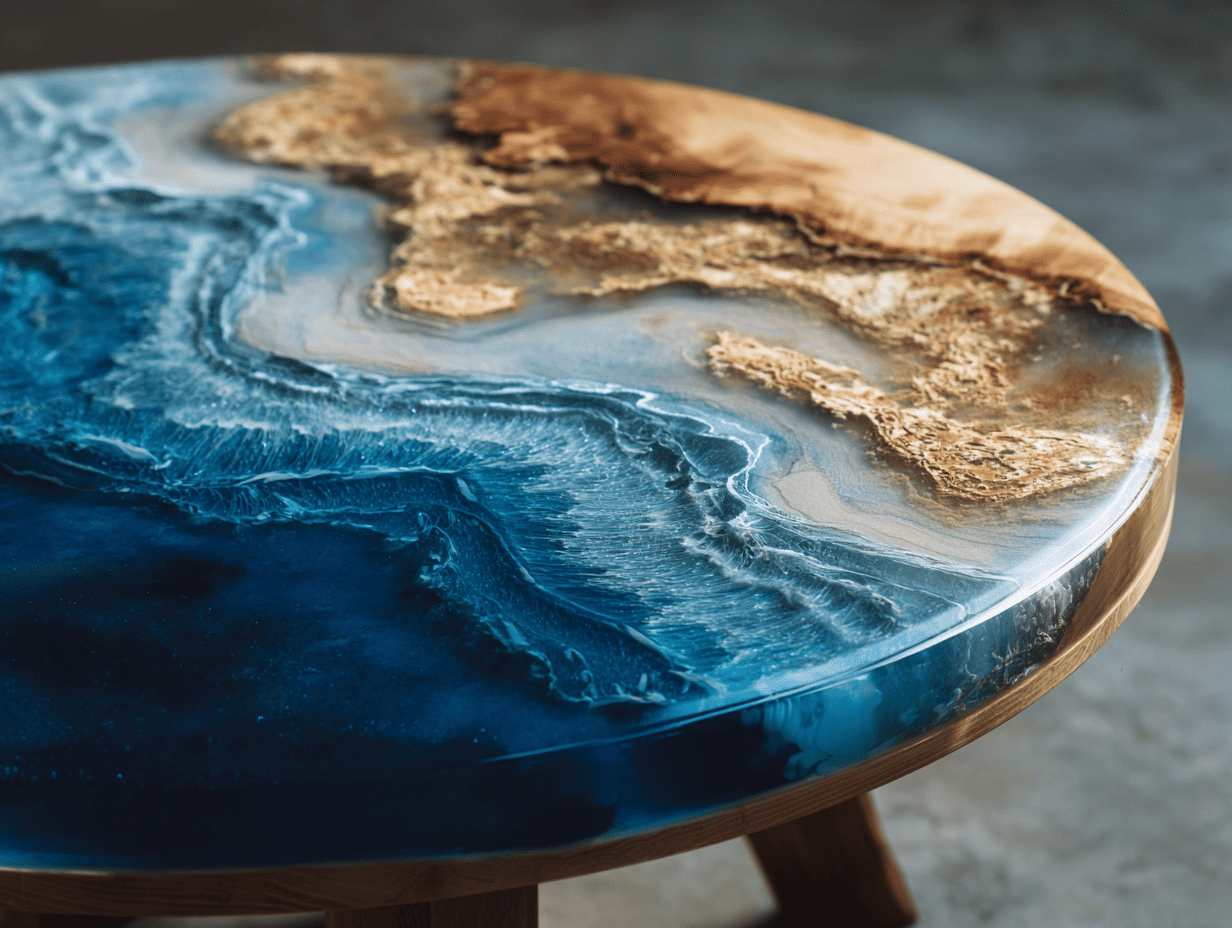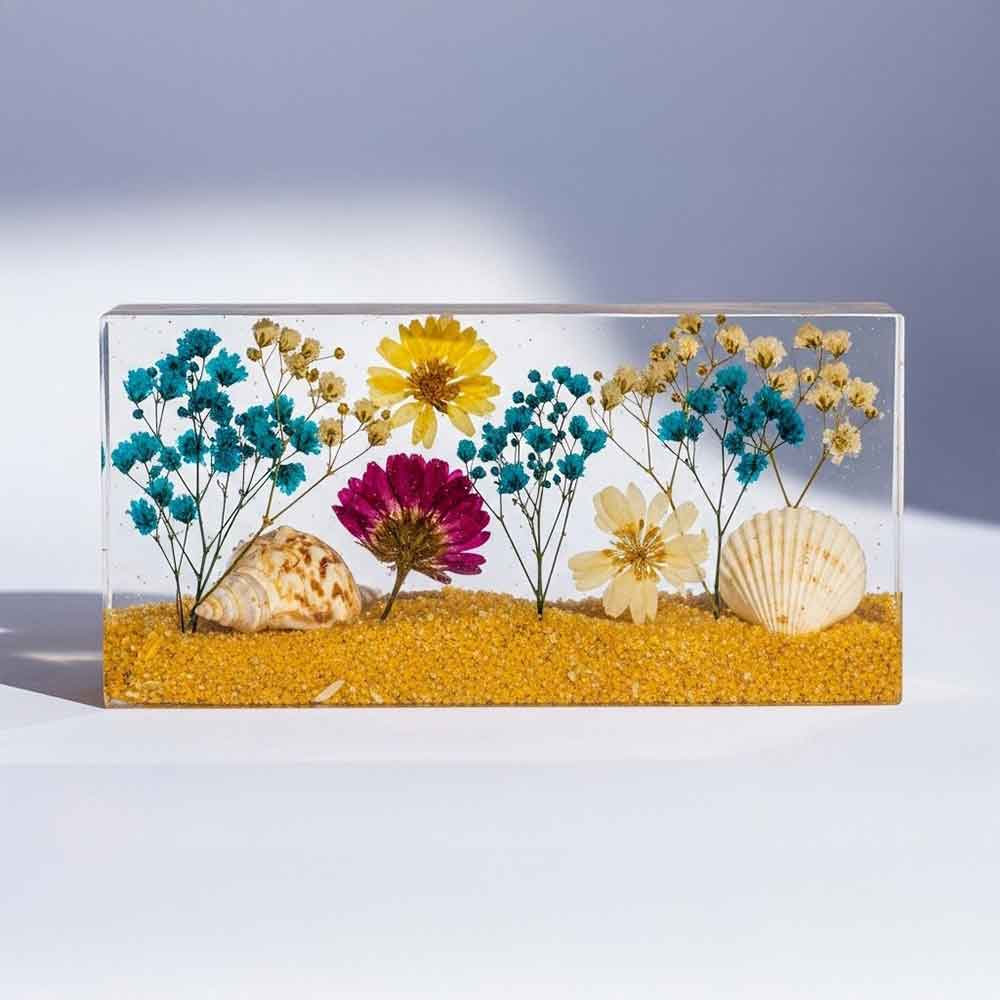



Using epoxy resin offers a wide range of creative possibilities, from creating works of art to producing floor coatings and furniture. One of the most common challenges during application is avoiding the formation of unwanted air bubbles. These bubbles can compromise the appearance and quality of the final piece. Fortunately, there are several techniques and tips that help prevent air bubbles and achieve a smooth, flawless finish. In this article, we present practical advice for avoiding air bubbles in epoxy resin during casting or lamination applications.
Whether you are a passionate artist or an experienced DIY enthusiast, these tips will help you achieve professional-quality results.
Preparing your workspace
Before starting your project, make sure you are working in a clean, well-ventilated area at an appropriate temperature. Drafts can cause air bubbles to form, so it is best to work in a calm, enclosed space. Thoroughly clean your work surface and remove any dust or debris that could contaminate your epoxy resin mixture.
Mixing the resin and the hardener
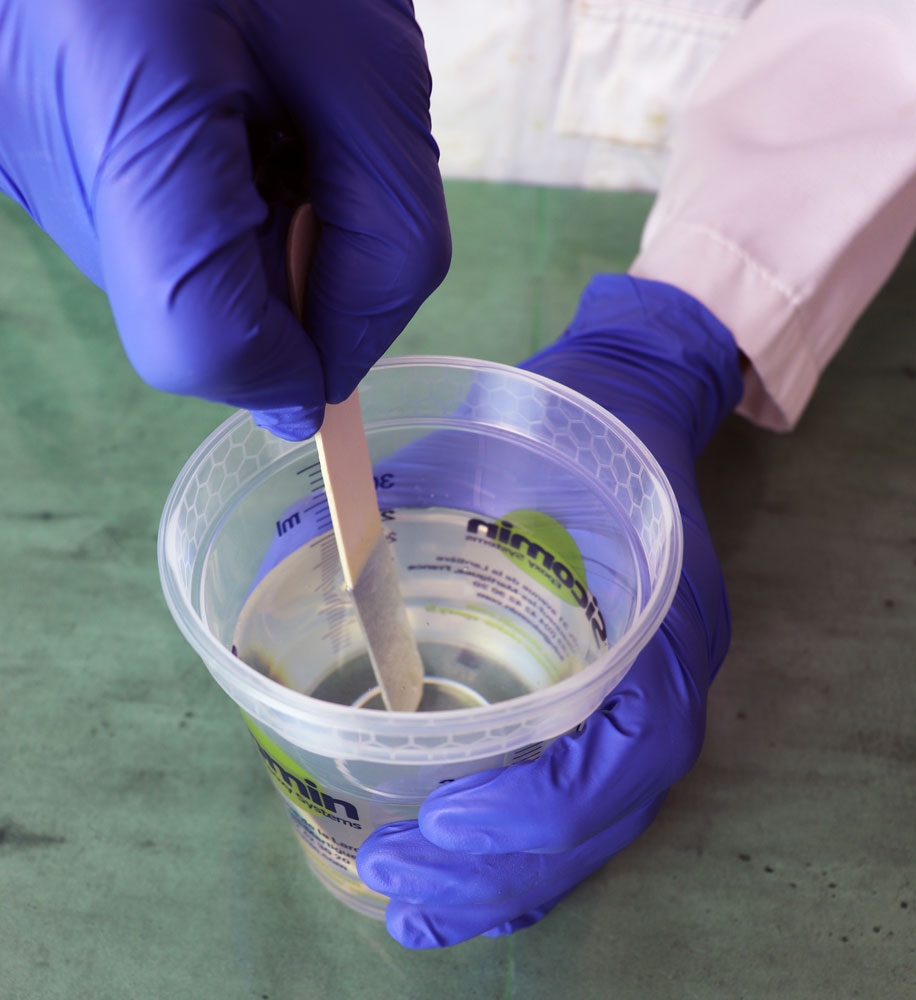
The mixing stage is crucial to avoid air bubbles. Carefully follow the manufacturer’s instructions to determine the correct resin-to-hardener mixing ratio. Mix slowly to avoid introducing air into the mixture. Scrape the sides and the bottom of the cup to ensure the resin and hardener are thoroughly combined.
For optimal visual results, perform a double mix. Once the mixture appears homogeneous, pour it into a new container and carefully scrape the sides, bottom of the original cup, and the mixing stick. Then, using a clean mixing stick, mix the resin again in the new container for a few minutes. This process helps achieve the best possible finish.
Pouring the mixture
When pouring your epoxy resin mixture, avoid sudden movements that can trap air. Pour slowly and evenly to allow air to escape naturally. If you are working on a large surface, divide it into smaller sections and pour the resin gradually to prevent air buildup.
In the case of casting
Using a heat gun
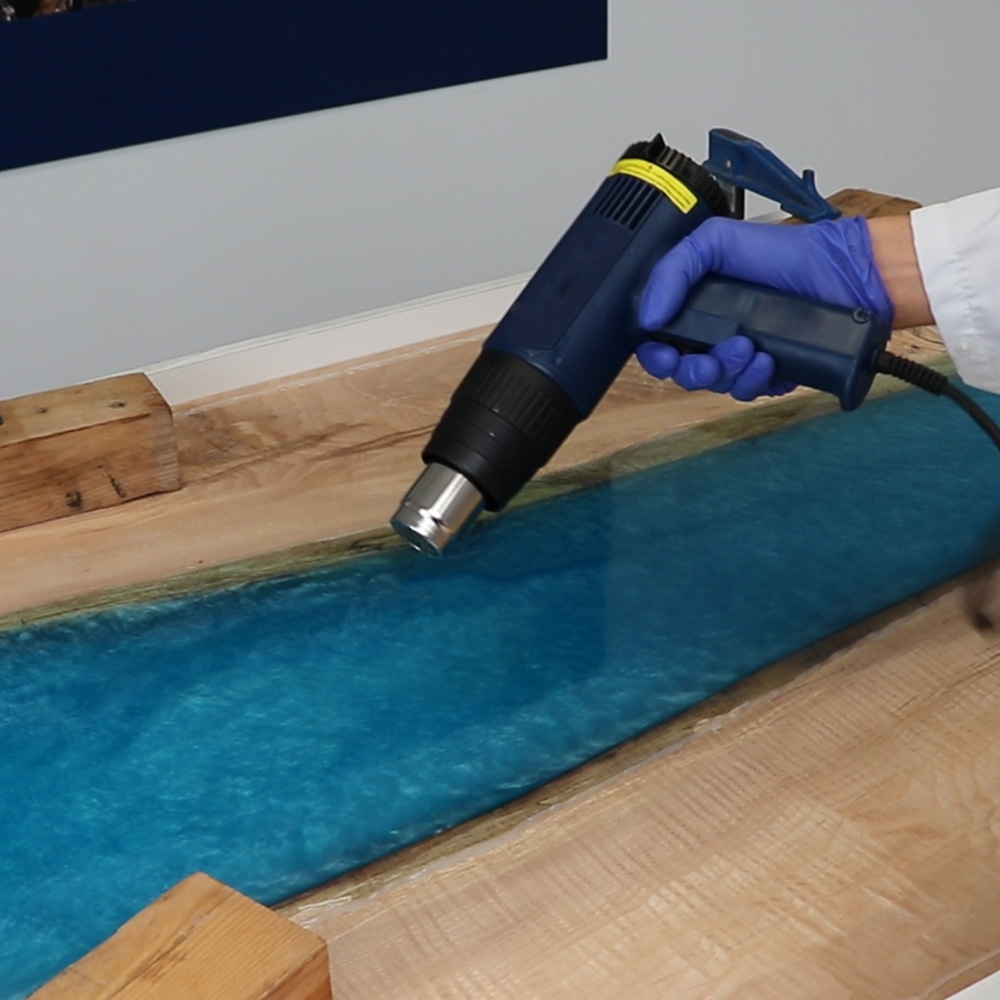
With a hair dryer or a heat gun, you can gently warm the surface of the resin to make it more fluid, allowing air bubbles to rise and burst at the surface. Keep a sufficient distance to avoid overheating the mixture, as excessive heat can cause defects in the piece or even lead to yellowing. You can also manually remove bubbles along the edges of the mold or on the surface using a toothpick or a needle.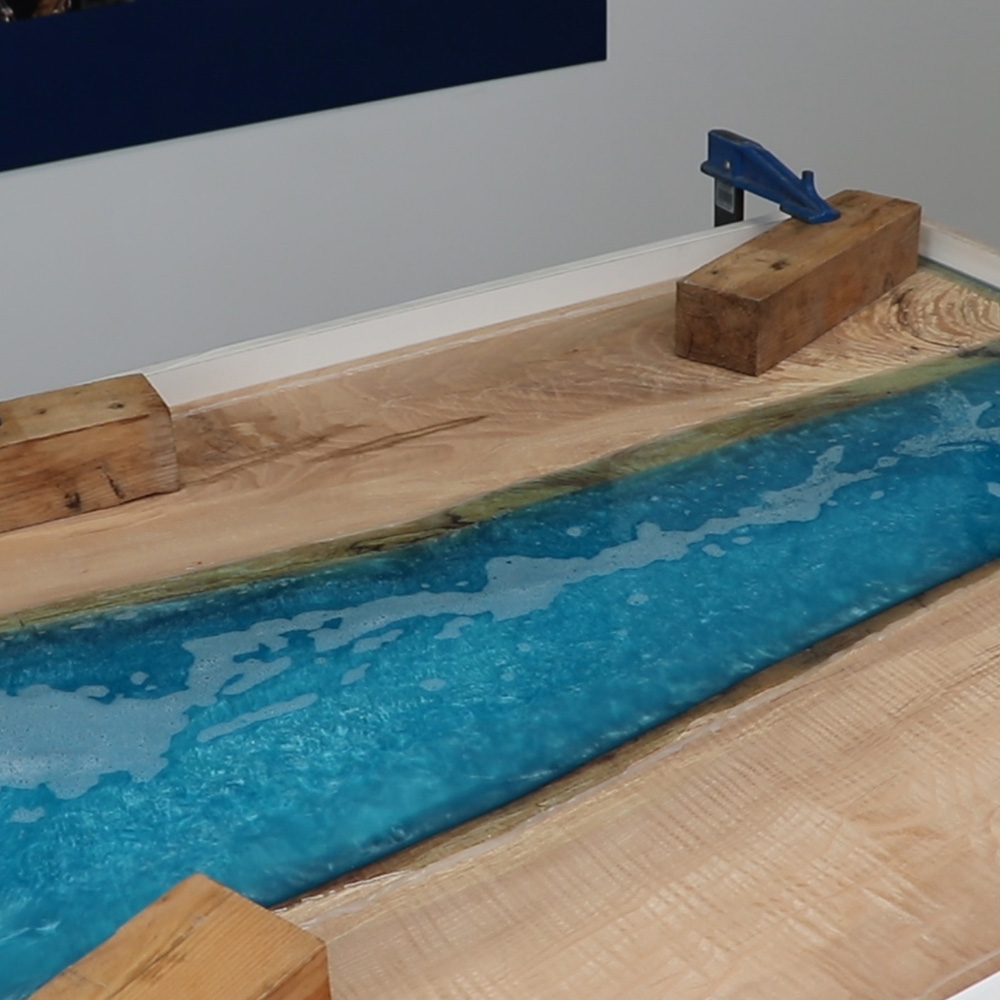
In the case of lamination
Using a bubble-removal roller
During epoxy resin lamination, using a bubble-removal (de-airing) roller is essential to eliminate air bubbles trapped between fabric layers. Once the resin has been applied, take the roller and gently roll it over the laminated surface. Apply light to moderate pressure and move the roller across the surface with smooth, even strokes. If the surface to be laminated is large, it is recommended to work in sections. Apply the epoxy resin to a small area, then use the bubble-removal roller to eliminate air bubbles in that section before moving on to the next one.
To achieve better resin distribution and more effective air bubble removal, use cross-rolling passes with the roller. For example, roll first from top to bottom, then from left to right over the same section. This helps cover all angles and ensures uniform lamination.
Conclusion
Air bubble formation in epoxy resin during application can be frustrating, but by following a few simple tips, it is possible to achieve high-quality results. Careful preparation of the workspace, thorough mixing of the resin and hardener, and the use of a heat gun can help eliminate or significantly reduce air bubbles. It is important to remember that completely eliminating bubbles can be difficult, especially on large projects.
By following these recommendations, you will be able to fully unlock the creative potential of epoxy resin while avoiding air bubbles in your projects.
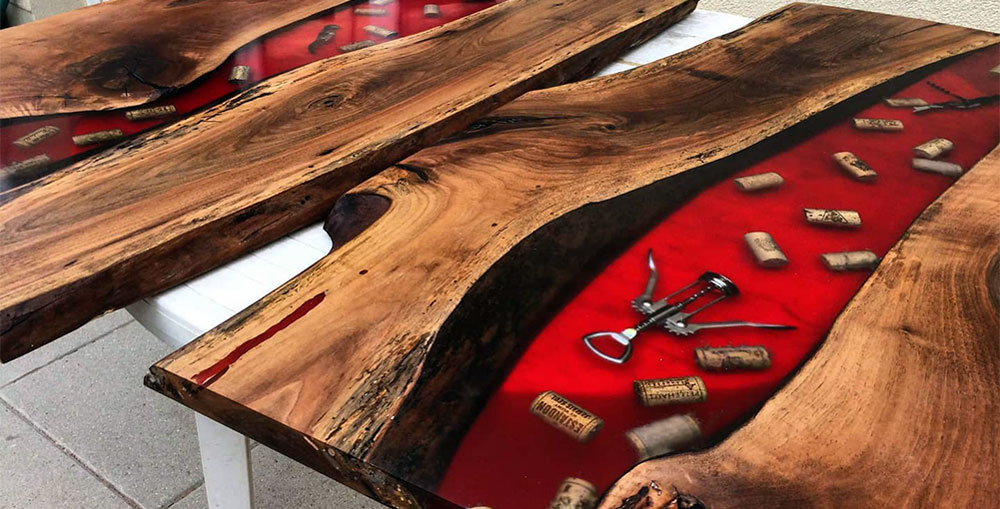
Would you like to create your own epoxy resin river tables but have questions about which products to use or the quantities required? Feel free to contact our team—we will be happy to help!
Vous aussi vous voulez réaliser vos propres tables rivières en résine époxy mais vous avez des questions sur les produits à utiliser ou les quantités à respecter ? N’hésitez pas à contacter notre équipe qui se fera un plaisir de vous aider !