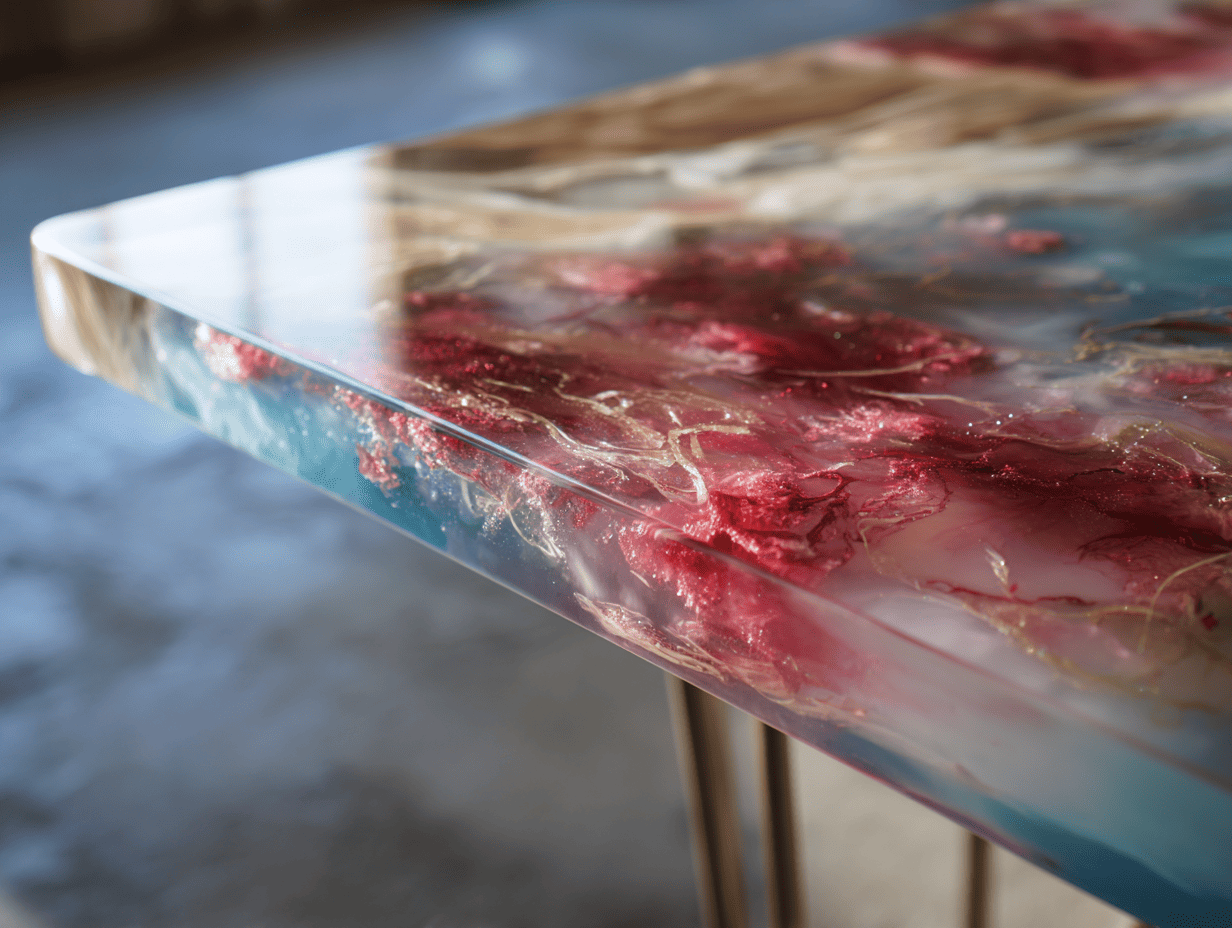
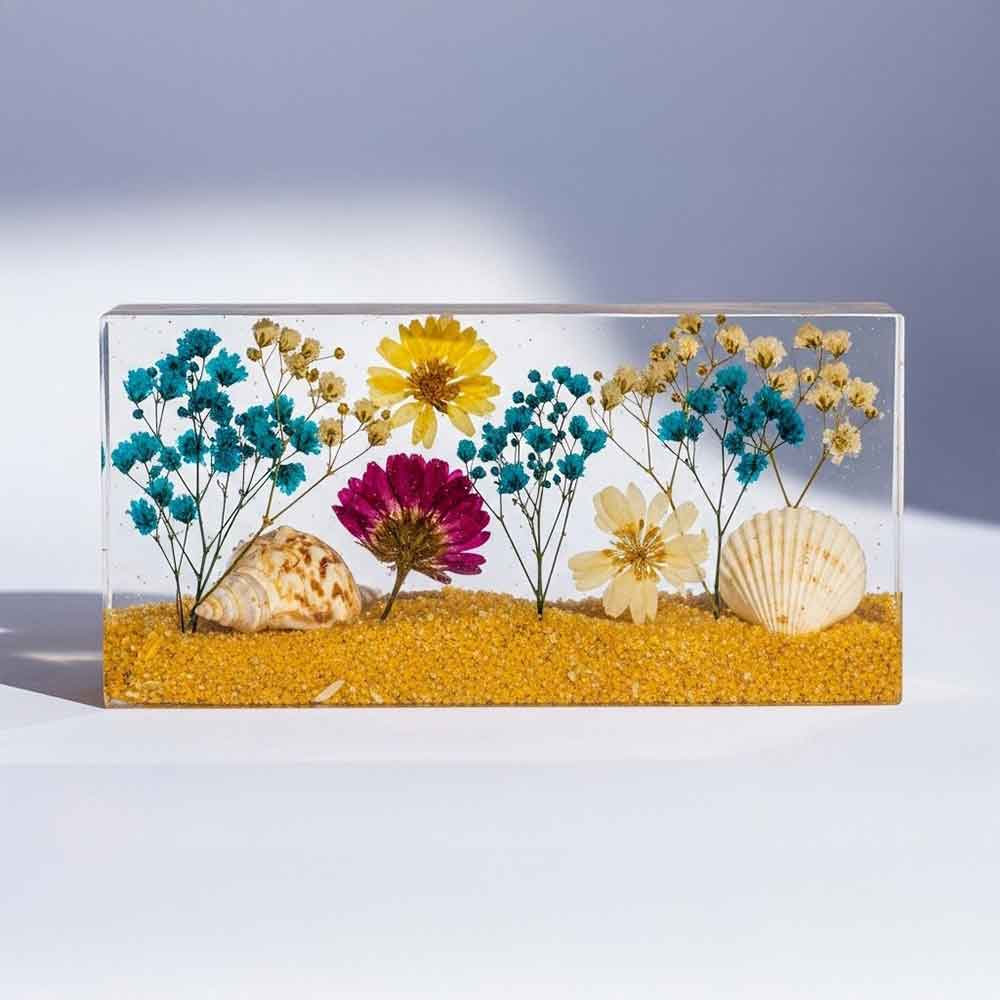
Creating decorative objects with epoxy resin can be both rewarding and complex. This versatile material offers countless possibilities for artists and craftspeople, but it also requires close attention to detail. From the initial preparation to the curing process, every step must be carried out precisely to avoid mistakes that could compromise the final result.
This article aims to highlight the common mistakes that creators often encounter when working with epoxy resin. Whether you are a beginner or a more experienced user, understanding these errors and knowing how to avoid them will help you produce higher-quality projects with flawless finishes. By mastering each stage of the process, you can avoid common pitfalls and get the most out of your epoxy resin creations.
Mistakes During the Preparation Stage
Preparation is one of the most important steps in creating decorative objects with epoxy resin. Poor preparation can lead to a series of problems that affect not only the appearance of the final object but also its durability. Here are some of the most common mistakes to avoid at this stage.
Incorrect Resin-to-Hardener Ratio
One of the most frequent and damaging mistakes is failing to respect the exact proportions between the resin and the hardener. These two components must be mixed in precise ratios to ensure complete curing and optimal strength. An incorrect ratio can result in incomplete curing, leaving the resin sticky or fragile.
Recommendation: Use a digital scale to accurately measure the resin and hardener. Follow the manufacturer’s instructions exactly, as ratios can vary from one resin to another. Precision is key to avoiding curing issues.
Insufficient or Improper Mixing
Another common issue is insufficient mixing of the resin and hardener. An uneven mixture can leave areas where the resin does not cure properly, leading to visible defects and structural weaknesses.
Recommendation: Mix the two components slowly and thoroughly for several minutes. Use a plastic or wooden spatula and make sure to scrape the sides and bottom of the container to ensure full incorporation. A homogeneous mixture is essential for even curing and a high-quality finish.
Poor Preparation of the Work Surface
The work surface and environment directly impact the quality of the final result. Working in a dirty or poorly prepared space can introduce contaminants such as dust or fibers into the resin, negatively affecting clarity and appearance.
Recommendation: Before starting, thoroughly clean the work surface to remove dust, grease, or other contaminants. Protect the surface with a silicone mat, baking paper, or plastic sheet to prevent sticking. Work in a clean, well-ventilated space to minimize unwanted inclusions in the resin.
Mistakes During Resin Application
Applying epoxy resin is a delicate step that requires close attention to avoid errors that could ruin the appearance or durability of the decorative object. Below are the most common mistakes to avoid during this key phase.
Choosing the Wrong Molds
The choice of molds is crucial to the success of your project. Using poor-quality or unsuitable molds can cause demolding problems, shape defects, or even damage to the resin itself.
Recommendation: Choose high-quality silicone molds, which are flexible and durable. Make sure the mold is clean and dry before pouring the resin. If necessary, apply a release agent to make demolding easier and avoid deformation or sticking.
Introducing Air Bubbles
One of the most frustrating issues for creators is the appearance of air bubbles in the resin. These bubbles can seriously affect the final appearance, especially if they are near the surface or in visible areas.
Recommendation: To minimize air bubbles, mix the resin and hardener slowly to avoid introducing excess air. After pouring the resin into the mold, use a heat gun or a light torch to gently heat the surface, helping bubbles rise and burst before curing. For complex projects, consider using a vacuum chamber to remove air more effectively.
Pouring Layers That Are Too Thick
Pouring resin layers that are too thick in a single pass is a common mistake that can lead to overheating, cracking, or uneven curing. This is especially problematic for large projects or when using fast-curing resins.
Recommendation: Pour the resin in successive layers. Apply a thin first layer, allow it to partially cure, then add the next layer. This technique provides better control over curing and reduces the risk of defects. Always respect the recommended curing times between layers to ensure proper adhesion and a smooth finish.
Mistakes When Choosing and Using Pigments
Adding pigments and special effects to epoxy resin can turn a simple project into a true work of art. However, improper use of pigments can lead to unexpected or disappointing results. Here are common mistakes to avoid.
Overloading the Resin with Pigments
A frequent mistake is adding too much pigment or special effects such as glitter. Excessive pigmentation can make the color overly opaque or uneven and may also compromise the resin’s strength by preventing proper curing.
Recommendation: Follow the manufacturer’s guidelines for the maximum amount of pigment to add. In general, it is recommended not to exceed 5–10% pigment relative to the total resin volume to preserve transparency and mechanical properties.
Poor Pigment Mixing
Failing to properly mix pigments into the resin can cause color streaks, uneven areas, or undissolved pigment pockets that spoil the final appearance.
Recommendation: Mix pigments thoroughly until fully incorporated into the resin. Scrape the sides and bottom of the container to ensure even distribution. For effects like marbling or gradients, add pigments in stages and mix partially to maintain color variation.
Mistakes During the Curing Process
Curing is a critical phase that determines the final quality of your decorative object. Errors at this stage can affect both appearance and durability.
Inadequate Environmental Conditions
Epoxy resin is sensitive to environmental conditions such as temperature and humidity. Working in an environment that is too cold, too hot, or too humid can slow curing, create bubbles, or cause uneven hardening.
Recommendation: Work in a controlled environment, ideally between 20°C and 25°C (68–77°F), with moderate humidity (around 50%). Avoid drafts and sudden temperature changes during curing. For sensitive projects, consider using a drying box or curing chamber to maintain stable conditions.
Handling Too Early
Another common mistake is handling or demolding the resin before it has fully cured. This can cause deformation, fingerprints, or even cracks.
Recommendation: Strictly follow the manufacturer’s recommended curing times. Even if the resin feels dry after 24 hours, it is often best to wait 48–72 hours or longer for full curing before handling. Patience is essential at this stage.
Mistakes During Finishing
Finishing is the final step in creating decorative epoxy resin objects and often determines their long-term appearance and durability. Several mistakes can occur at this stage.
Incorrect Sanding
Sanding is necessary to achieve a smooth, even surface. Incorrect sanding—using unsuitable grit or sanding too aggressively—can damage the resin, leaving deep scratches or reducing surface clarity.
Recommendation: Use high-quality sandpaper, starting with a medium grit (around 600) and gradually moving to finer grits (up to 2000 or more). Wet sanding is recommended to minimize overheating and reduce dust. Sand slowly and carefully using circular motions to avoid visible marks.
Lack of UV Protection
Exposure to UV rays can cause yellowing and degradation of epoxy resin, especially if the decorative object is exposed to natural light. Forgetting UV protection can significantly affect long-term appearance.
Recommendation: After sanding and polishing, apply a UV-protective varnish to shield the resin from sunlight. Choose a high-quality varnish designed for epoxy resin and apply it in thin, even layers. Allow each coat to dry fully before applying the next.
Creating decorative objects with epoxy resin is a creative and rewarding process, but it requires meticulous attention to detail to avoid common mistakes that can compromise the final result. From preparation and curing to pigment application and finishing, every step matters.
By avoiding frequent errors such as incorrect mixing ratios, air bubbles, or improper sanding, you can greatly improve the quality and durability of your epoxy resin creations. Patience, precision, and adherence to best practices are essential to achieving decorative objects that are not only visually appealing but also strong and long-lasting.
Whether you are a beginner or an experienced creator, incorporating these tips into your workflow will help elevate your projects to a professional level—ensuring that every piece you create meets your expectations. Remember, each project is a learning opportunity, so keep experimenting and refining your technique.