Choosing the right epoxy resin for a scale model project can determine the quality and durability of the final result. With the wide variety of resins available on the market—each offering specific characteristics—it is essential to clearly understand your project’s needs before making a choice. Whether you are working on plastic, wood, or metal models, or planning to embed decorative elements in resin, every aspect of the project can influence the type of resin to use.
This article aims to guide scale model makers through the process of selecting the epoxy resin best suited to their projects. We will explore the different types of epoxy resin, selection criteria based on the materials used, environmental conditions to consider, as well as finishing options. By understanding the specific characteristics of each resin and following our usage tips, you can ensure the success of your projects and achieve results that are both aesthetic and durable.
Understanding the different types of epoxy resin
When choosing the right epoxy resin for your scale model projects, it is essential to understand the different options available. Each type of epoxy resin has unique properties that make it more or less suitable for certain applications. This section will help you navigate epoxy resins based on their transparency, curing time, and viscosity.
Clear epoxy resin vs. tinted epoxy resin
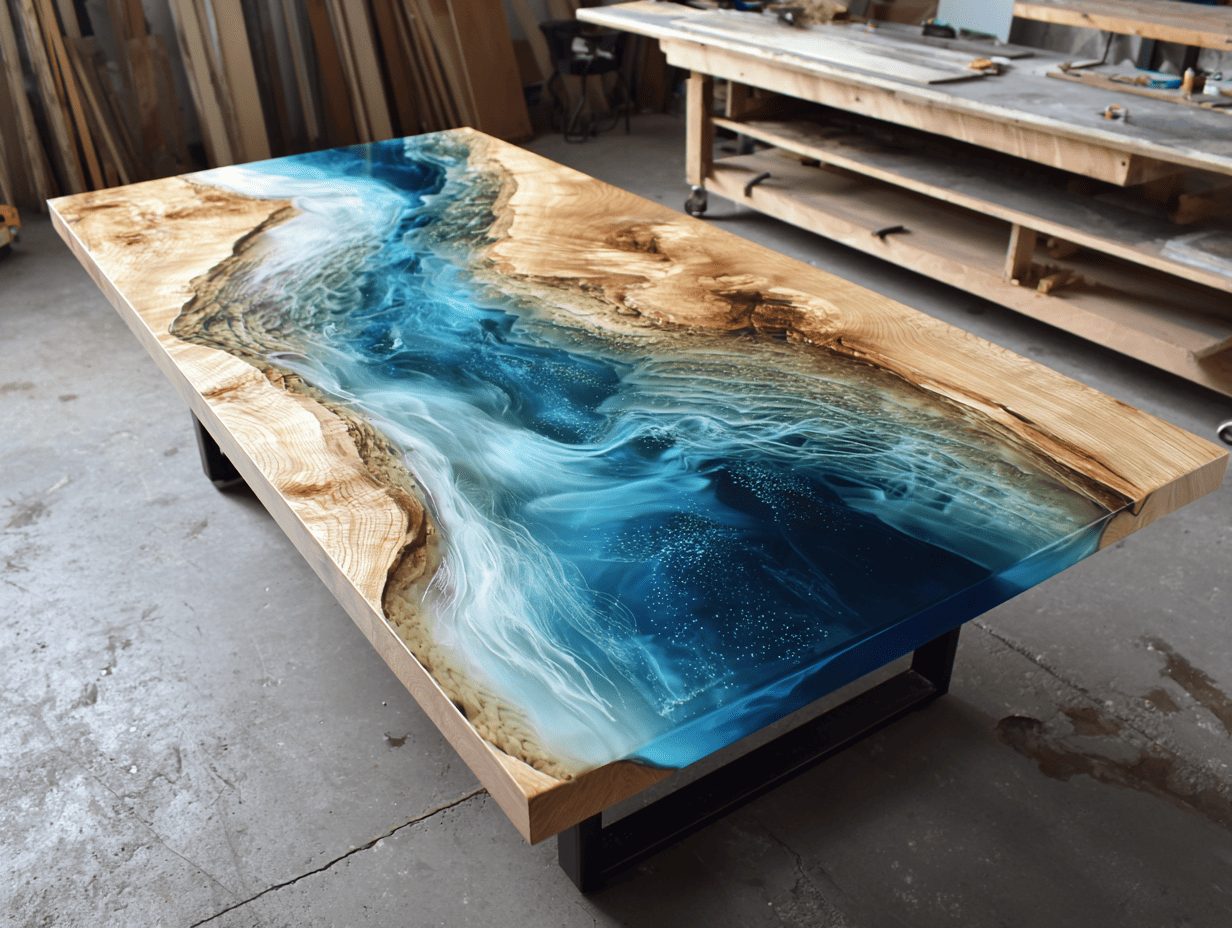
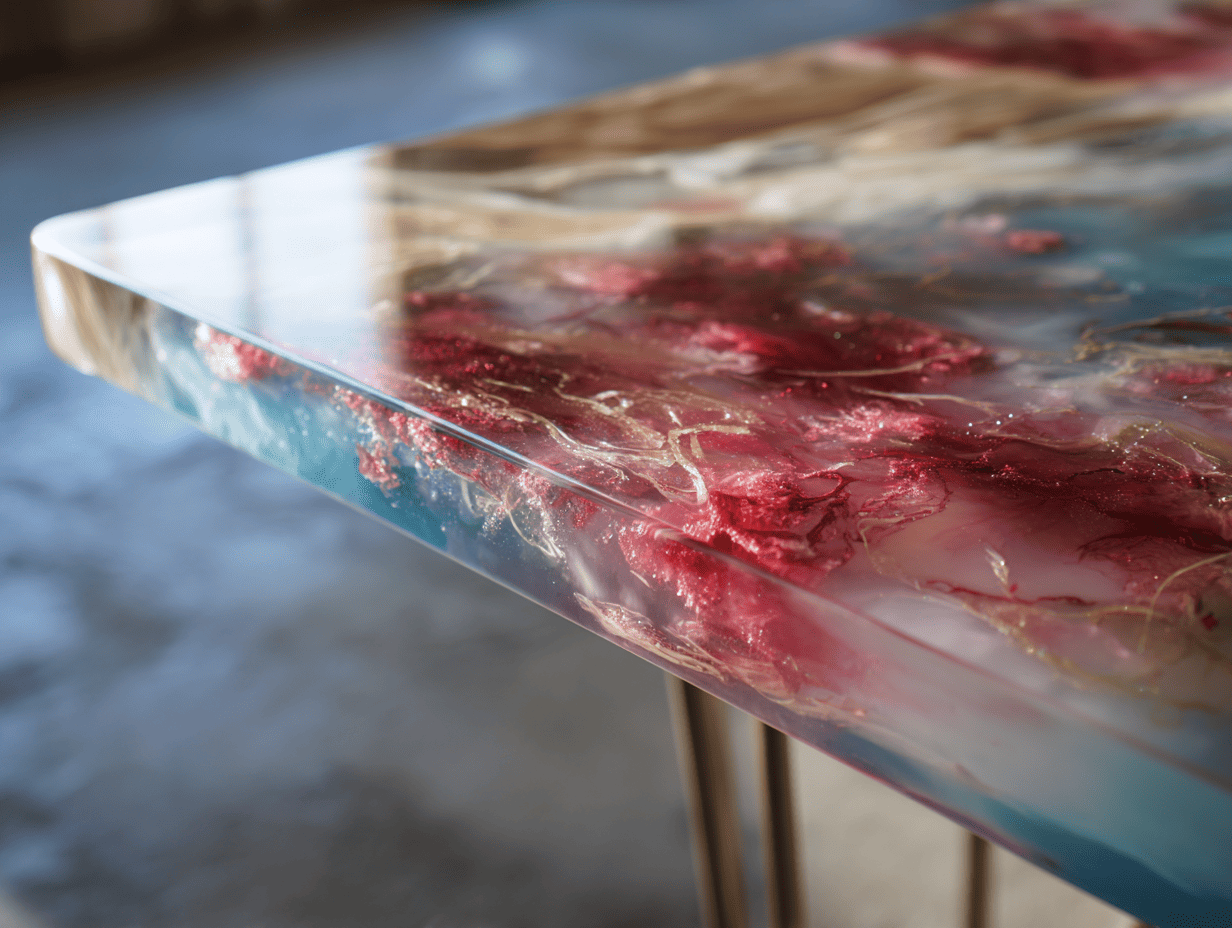
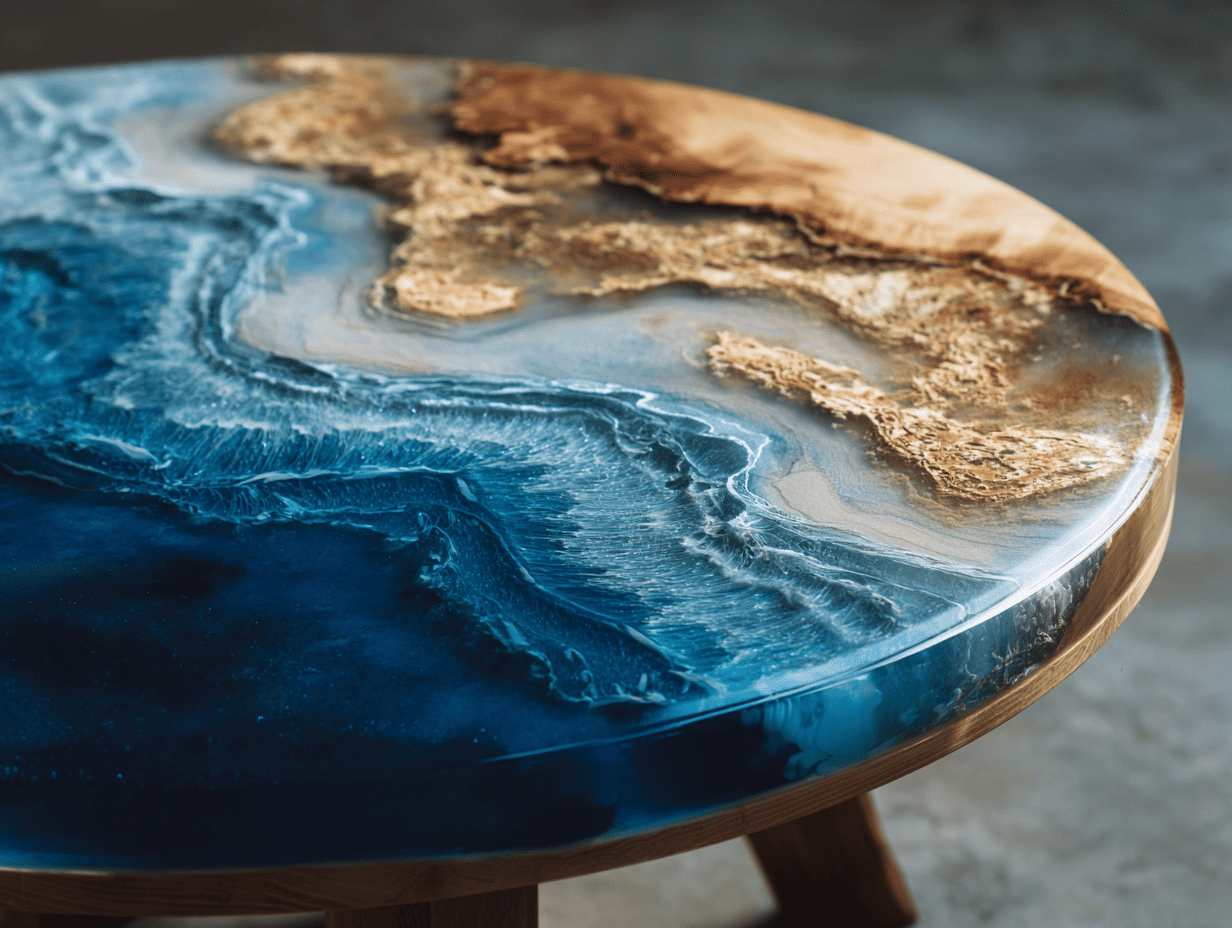
The first distinction to make is between clear and tintable epoxy resins. Clear resins are ideal for projects where visual clarity is essential, such as display cases, polished surfaces, or embedded elements in scale models. They highlight internal details without altering color or texture. Tinted resins, available in a wide range of colors, are perfect for adding artistic flair or creating depth and contrast effects. The choice between these two depends mainly on the visual effect you want to achieve.
Fast-curing vs. slow-curing epoxy resin
Curing time is another key factor when choosing resin. Fast-curing resins are ideal for projects that require quick turnaround or multiple layers applied in succession. They reduce waiting time between steps but require precise application due to the shorter working time. Slow-curing resins, on the other hand, provide more working time, which is especially useful for complex projects or when adjustments are needed during application. They also allow better air bubble release, reducing the risk of imperfections.
Low-viscosity vs. high-viscosity epoxy resin
Viscosity is particularly important when working on fine details or complex surfaces. Low-viscosity resins are more fluid, making it easier for them to flow into small recesses and fine details. They are also easier to spread over thin, large surfaces. High-viscosity resins are thicker and better suited for building stronger layers or applications where greater thickness is required in a single pour.
Selection criteria based on the type of scale model
The choice of epoxy resin must match the type of model you are creating. Each material reacts differently to resin, so it’s important to select a resin that not only adheres properly but also enhances durability and appearance.
Plastic scale models
Plastic models are common in model making, especially for vehicles, figurines, and architectural structures. The main challenge with plastic is finding a resin that adheres well without causing deformation. Some plastics can react unpredictably to certain resins, particularly due to the heat generated during curing.
Recommended choice: Opt for a low-viscosity epoxy resin specifically formulated for non-porous surfaces like plastic. This ensures good adhesion without complex surface preparation. Also, make sure the resin has a suitable curing time to avoid overheating the plastic.
Wooden scale models
Wooden models—such as ships, buildings, or miniature furniture—require a resin that penetrates the wood fibers well to strengthen the structure without causing warping. Since wood is porous, it may absorb some resin, potentially requiring additional layers.
Recommended choice: A medium-viscosity epoxy resin is often ideal for wooden models. It penetrates enough to reinforce the structure while creating a smooth, even surface. For harder woods, a high-viscosity resin may be preferable, as it stays on the surface and forms a thicker protective layer.
Metal scale models
Metal models, such as miniature vehicles or machinery, require a resin with excellent adhesion to smooth, non-porous surfaces. Metal can also expand or contract slightly with temperature changes, which must be considered when selecting resin.
Recommended choice: Use an epoxy resin formulated for metal, offering strong and durable adhesion. These resins are often low-viscosity to ensure they flow into fine details and bond firmly to the metal surface.
Complex models or models with inclusions
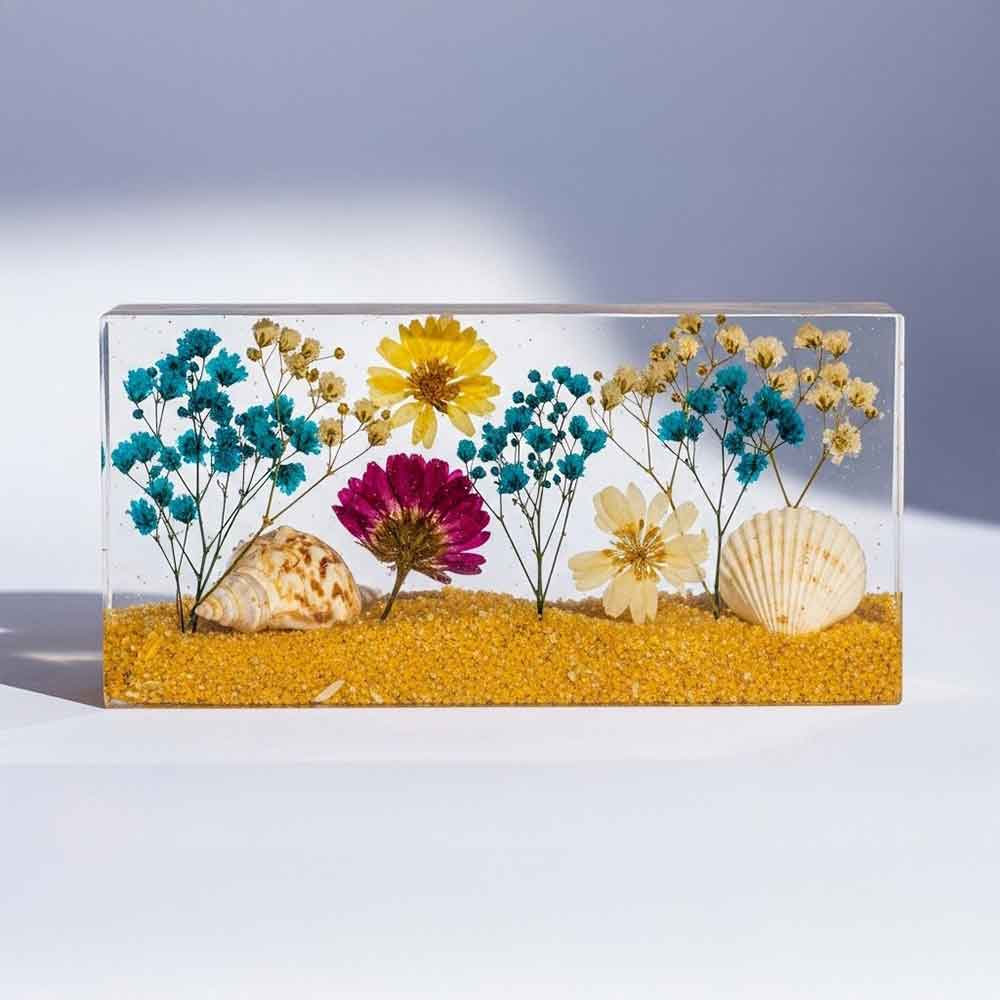
Some models—especially exhibition or artistic pieces—may include decorative elements embedded in resin, such as miniatures, natural objects, or other inclusions. In these cases, it’s important to choose a resin that won’t disturb the appearance or position of the inclusions.
Recommended choice: A clear, low-viscosity epoxy resin is often the best option for models with inclusions. It keeps inclusions visible and in place without creating air bubbles or imperfections. Make sure the resin is compatible with the materials used for the inclusions to avoid unwanted chemical reactions.
Environmental factors to consider
When choosing epoxy resin for scale model projects, it is essential to consider the environmental conditions in which you will work and where the model will be displayed. Temperature, humidity, and UV exposure can all significantly affect resin selection and the final result.
Temperature and humidity
Low temperatures can significantly slow curing, leaving the resin sticky and less durable. Conversely, high temperatures can accelerate curing uncontrollably, leading to air bubbles, cracking, or deformation.
Recommendations: Ideally, epoxy resin should be applied at a stable ambient temperature, generally between 20°C and 25°C (68–77°F). If you work in a humid environment, use a resin formulated to resist moisture to prevent bubbles or cloudy surface defects.
UV exposure
Exposure to ultraviolet (UV) rays can cause epoxy resin to yellow or degrade over time. This is particularly problematic if the model will be displayed in direct sunlight or a bright environment.
Recommendations: For projects exposed to natural light, choose an epoxy resin with UV protection. These resins resist UV damage and maintain transparency and clarity longer. Applying a UV-filtering protective varnish after curing adds an extra layer of protection.
Discover TOP CLEAR, the colorless UV-resistant finish
Other environmental considerations
Ventilation: Working in a well-ventilated space is important for safety, but strong airflow can introduce dust or affect temperature around the resin, leading to finish irregularities.
Protection from contaminants: During curing, protect the resin from dust, insects, and other contaminants by using a cover or transparent dome to preserve a smooth, clean surface.
Finishing options and compatibility
Finishing is a crucial step for achieving a flawless final result. Beyond choosing the right resin, it’s important to consider finishing options and resin compatibility with paints and varnishes.
Compatibility with paints and varnishes
One of the most important considerations is compatibility between epoxy resin and the paints or varnishes you plan to use. Some resins may react negatively with certain finishes, causing cracking, discoloration, or poor adhesion.
Recommendations: Before applying paint or varnish, ensure the resin is fully cured and the surface properly prepared (sanded and cleaned). For painted finishes, use acrylic paints or paints specifically designed for resin. For varnishes, choose a polyurethane or acrylic varnish compatible with epoxy resin to ensure durability.
Glossy, matte, or satin finishes
Epoxy resin can achieve different finishes depending on application methods and post-curing treatments.
-
Glossy finish: Achieved by polishing cured resin or applying a gloss varnish. Ideal for highlighting transparency and underlying details.
-
Matte finish: Obtained through light sanding followed by a matte varnish, resulting in a soft, non-reflective surface.
-
Satin finish: A balance between glossy and matte, offering a subtle sheen while limiting reflections.
Our tips for an optimal finish
Polishing: After curing, careful polishing with polishing pads and compound may be required for a glossy finish. Start with fine-grit sanding and gradually move to finer grits before polishing.
Varnish application: Applying varnish by spray or brush protects the resin surface and adjusts the finish (glossy, matte, or satin). Apply thin, even coats and allow sufficient drying time between layers.
By mastering these finishing techniques and considering material compatibility, you can maximize the visual impact of your scale models while ensuring long-lasting protection against environmental factors.