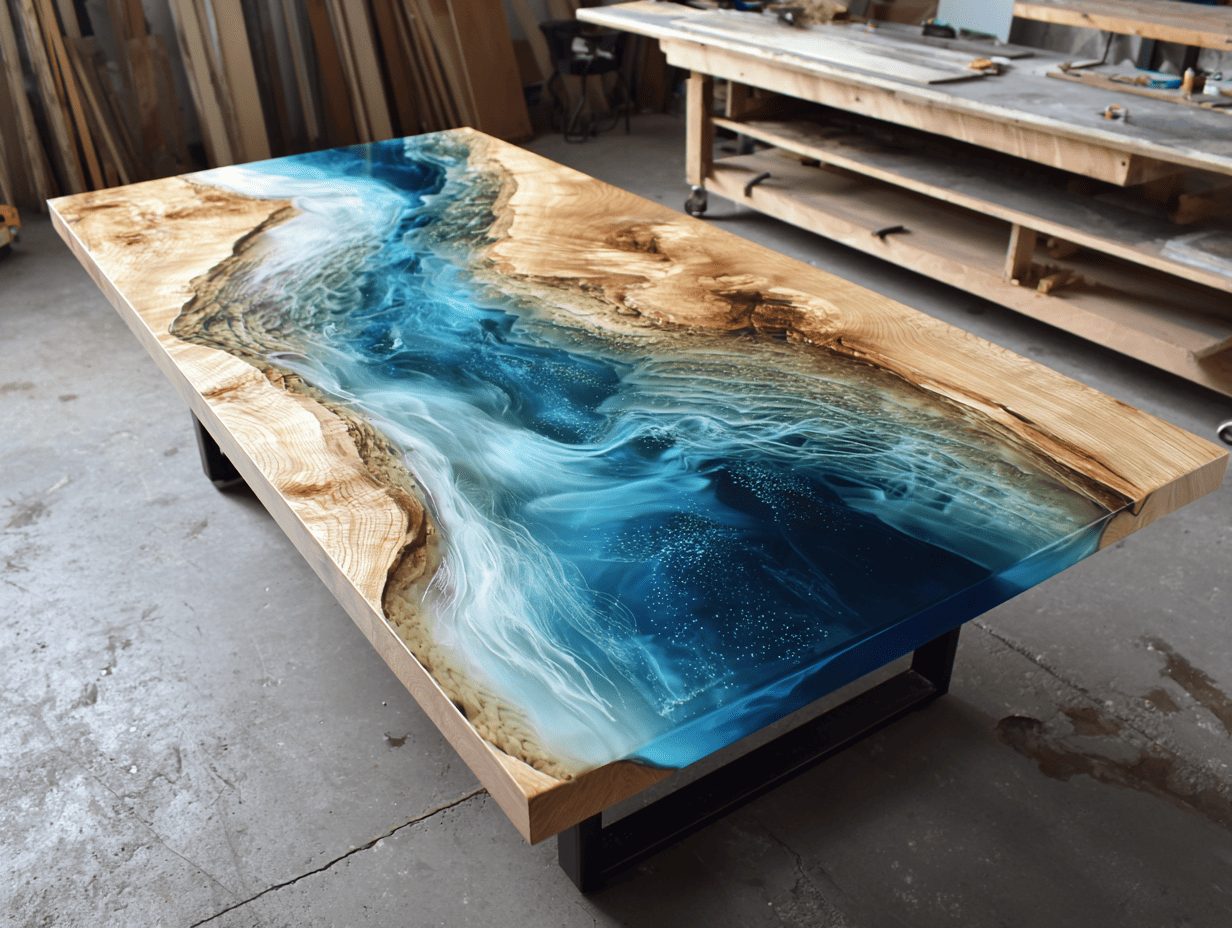
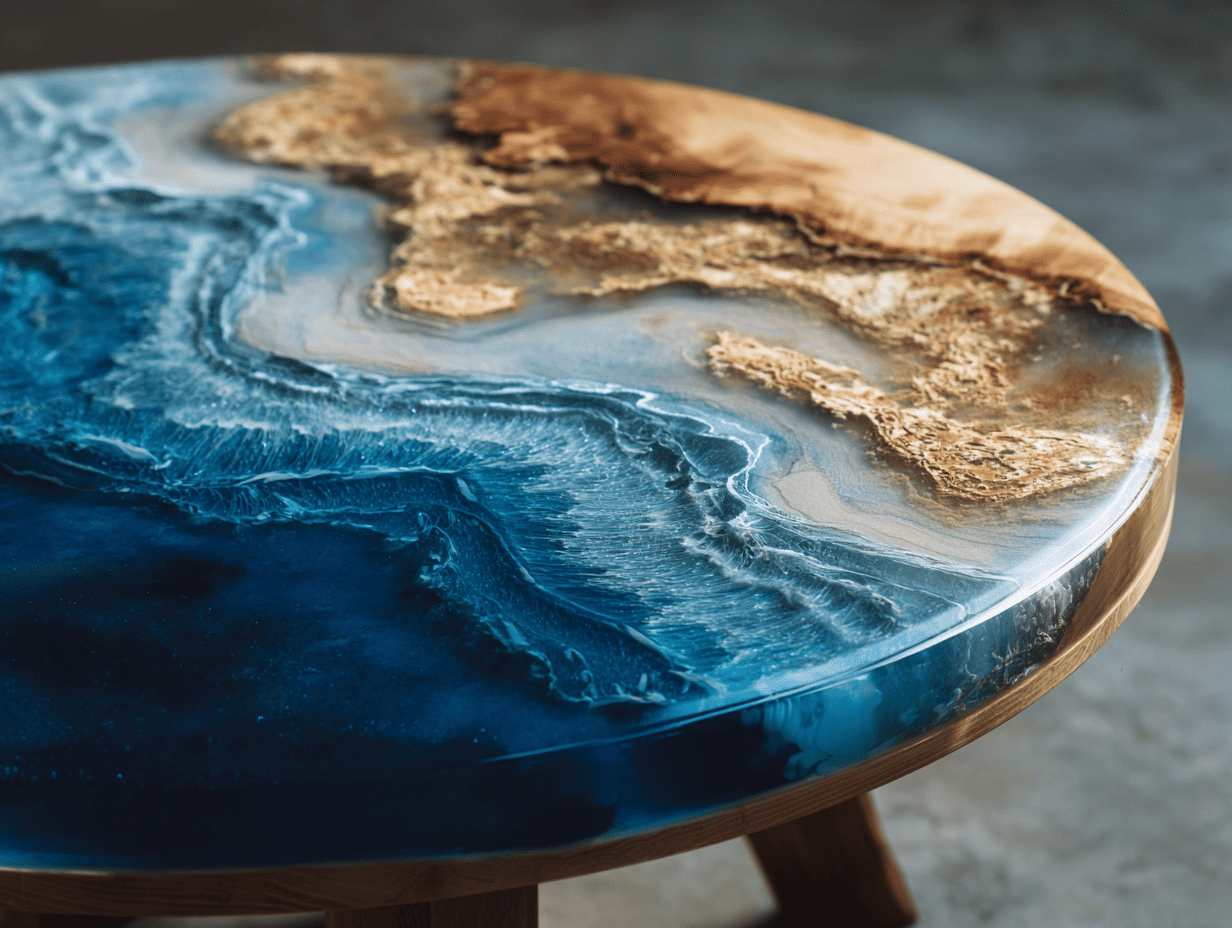
In the fascinating world of railway modelling, every detail matters when it comes to creating immersive scenes that transport enthusiasts into a miniature world of striking realism. Whether it is a shimmering river winding between the tracks or a body of water reflecting a mountainous landscape, epoxy resin has become an essential material for bringing these natural elements to life. With its aesthetic qualities and versatility, it enables model makers to push the boundaries of realism in the reproduction of rivers, lakes, and other aquatic environments.
Why use epoxy resin in railway modelling?
Epoxy resin appeals to model makers for several reasons. Its ability to replicate the transparency and fluid appearance of water is unmatched, but it is also its ease of application that sets it apart from other materials. Once properly mixed and poured, epoxy resin provides a smooth, glossy surface with exceptional clarity, faithfully evoking the sparkle of water under light. This transparency is essential for modellers aiming to recreate deep rivers or raised ponds, where one might almost expect to see fish or stones beneath the surface.
Epoxy resin is also highly durable over time, making it a long-lasting choice for scenery. Unlike certain materials that yellow or degrade, a high-quality resin retains its original brilliance for many years, even under moderate exposure to light.
Creating a realistic river with epoxy resin
Recreating a realistic river in a railway layout requires preparation and a well-structured approach. Everything begins with the structure that will hold the resin. The riverbed is often shaped using materials such as polystyrene, cardboard, or even modelling clay. This base must be carefully sculpted to include natural contours, deeper areas, and irregular banks. Once the structure is complete, it is important to paint the riverbed using shades of blue, green, or brown to replicate the colour of water. Variations in tone play a crucial role in achieving realism, as they add depth to the scenery.
Once this base is ready, the resin pouring stage begins. Choosing the right epoxy resin is essential: a transparent, low-viscosity resin is recommended, as it flows easily into fine details and helps prevent the formation of air bubbles. The resin-to-hardener mixture must be prepared accurately to ensure proper curing. Pouring should be done in thin layers, especially when aiming to simulate the depth of a river. After pouring, the resin requires close attention: any air bubbles must be removed using a blowtorch or a small flame. This step is essential to achieve a perfectly clear surface. After full curing—which may take several hours or even a few days—additional details can be added. For example, creating small ripples with a textured gel or applying a glossy varnish will enhance the realistic effect of moving water.
Integrating natural elements for striking realism
A river alone is not enough to create a complete landscape. The surrounding environment is just as important in reinforcing the illusion of realism. Integrating natural elements such as rocks, sand, and vegetation greatly enriches the scene. These details can be placed along the riverbanks or partially submerged in the resin for a more immersive effect.
For rocks, materials such as cork, tree bark, or miniature stones are ideal for imitating natural relief. Applying textured paint to the rocks helps recreate a wet appearance, as if water were lapping against their surface. Small tufts of synthetic grass or moss can also be placed along the riverbanks to represent the lush vegetation that often grows near water sources.
Trees—whether purchased from specialist retailers or handmade—add the finishing touch to the scene. The dense foliage of miniature trees casting shadows over the resin surface adds an extra layer of life to the layout. The most meticulous modellers may even add tiny branches or leaves floating on the water for an even more striking level of realism.
Reproducing bodies of water and special effects
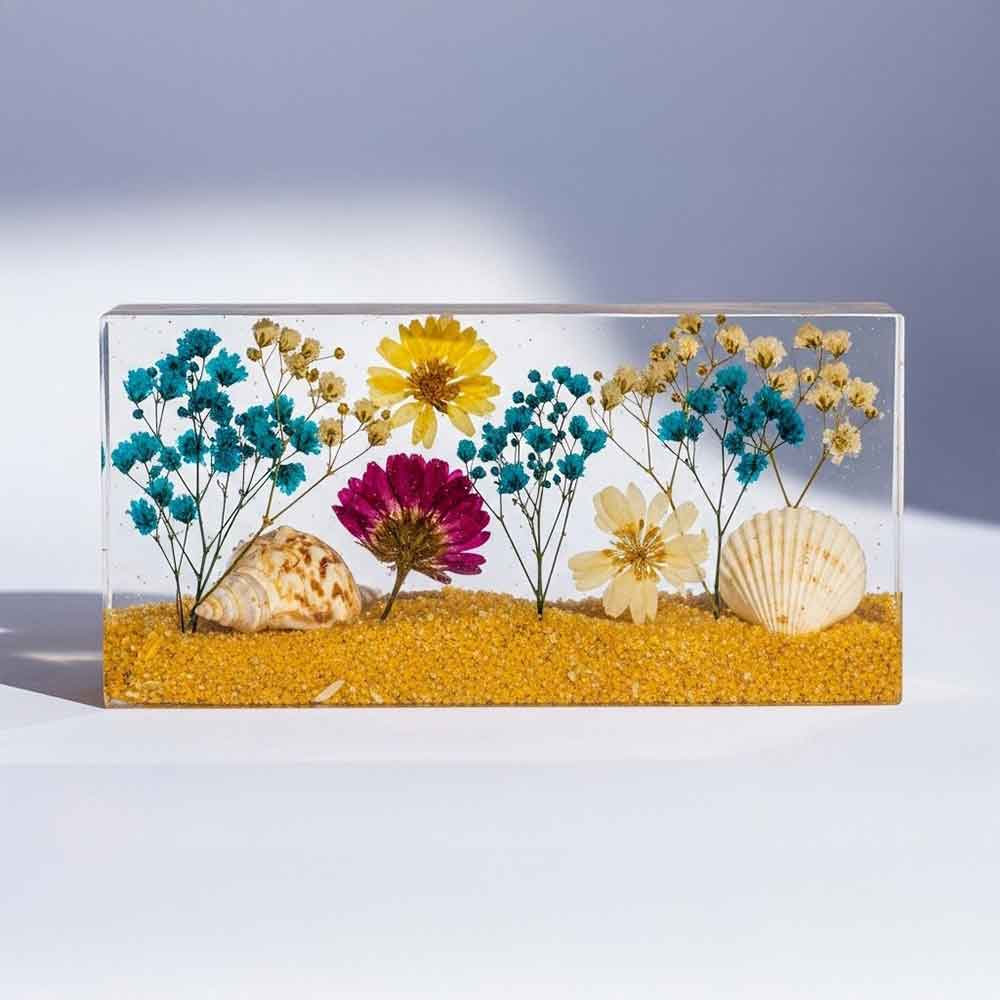
Beyond rivers, epoxy resin is particularly well suited to creating other aquatic features such as ponds, lakes, or marshes. These still water surfaces generally require less texture than rivers, but working on reflections is essential. With its natural mirror-like effect, epoxy resin perfectly captures the calmness of stagnant water, reflecting the surrounding elements. To add authenticity, decorative items can be embedded beneath the resin before it fully cures.
For example, stones, miniature tree trunks, or even fish painted on the base can be carefully arranged to enrich the scene. Many experienced model makers also use special effects techniques to simulate splashes or waterfalls. Using transparent acrylic gel or hot glue, it is possible to shape cascades, eddies, or small waves. Epoxy resin, combined with these complementary techniques, offers endless possibilities for creating dynamic and lifelike landscapes.
A material for demanding modellers
Epoxy resin has established itself as a preferred choice for railway modellers seeking perfection. Its ability to capture the essence of water, combined with its durability, makes it a valuable ally in reproducing detailed aquatic landscapes. While it requires a certain level of skill and adherence to curing times, the results often exceed expectations. Rivers and bodies of water created with epoxy resin add a realistic and immersive dimension, transforming a standard layout into a true work of art.
In conclusion, mastering the use of epoxy resin in railway modelling is a skill that allows enthusiasts to push the limits of realism. Thanks to this material, landscapes come to life with unmatched depth and brilliance, turning each scene into a finely crafted miniature masterpiece. Whether creating a turbulent river or a peaceful pond, epoxy resin is undoubtedly the ideal partner for adding relief and authenticity to model-making projects.