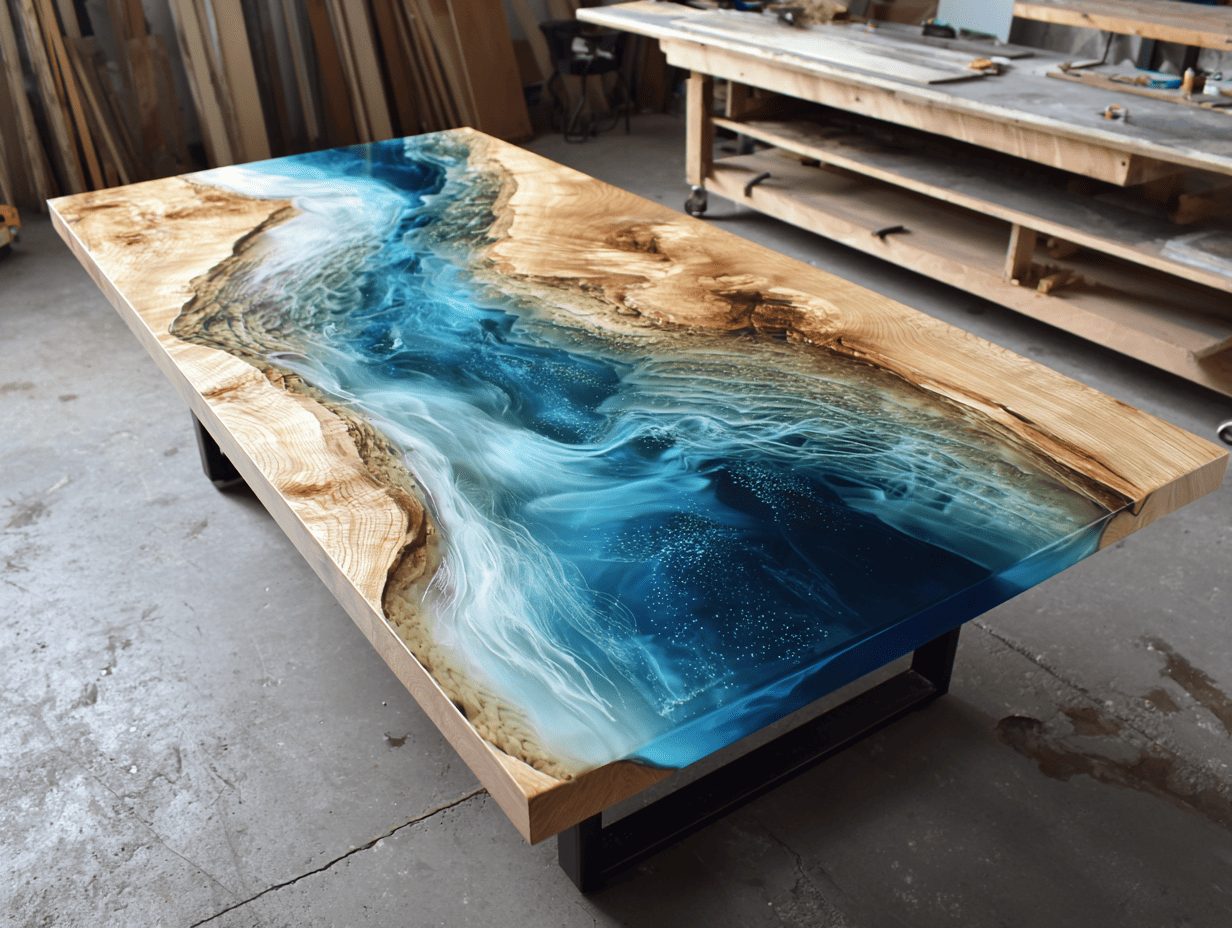
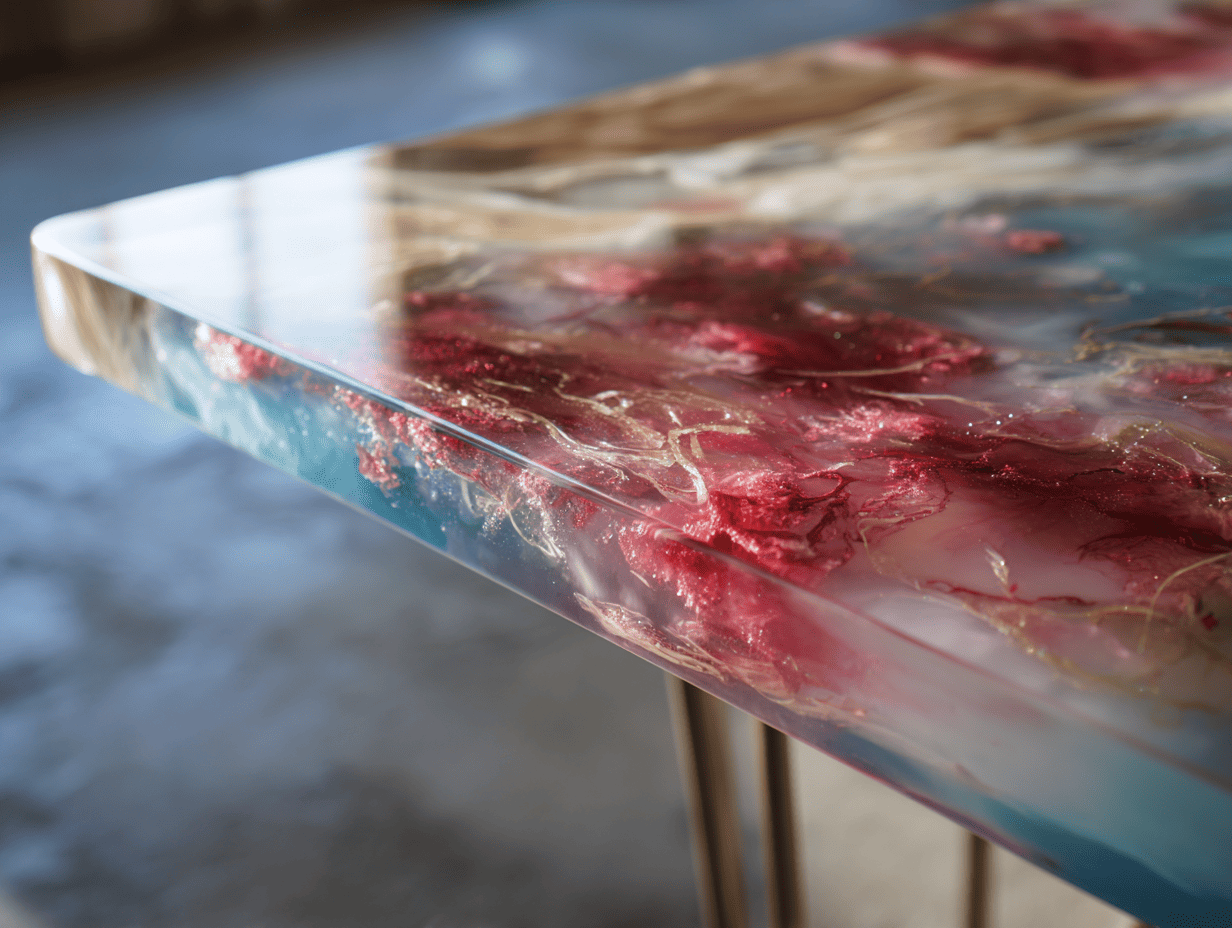
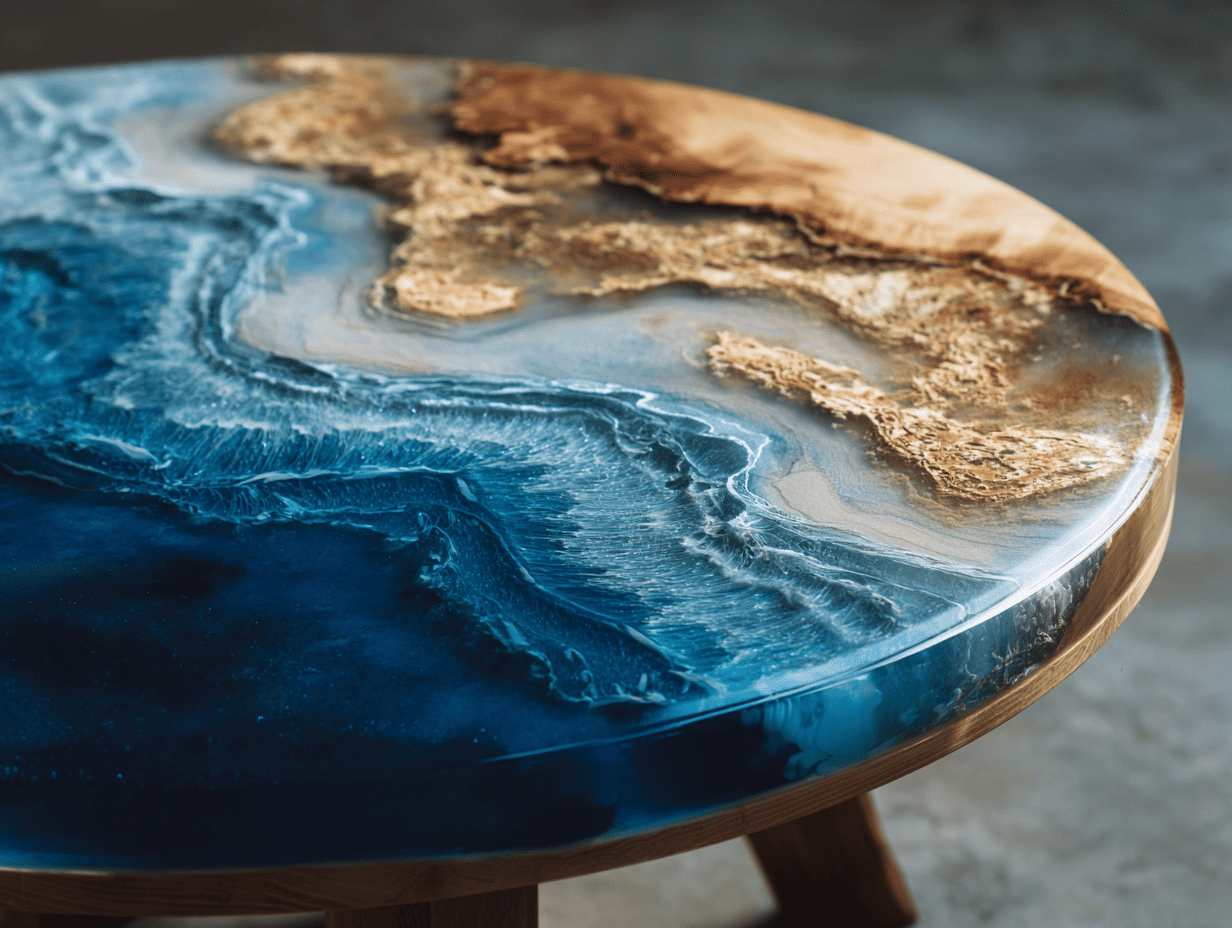
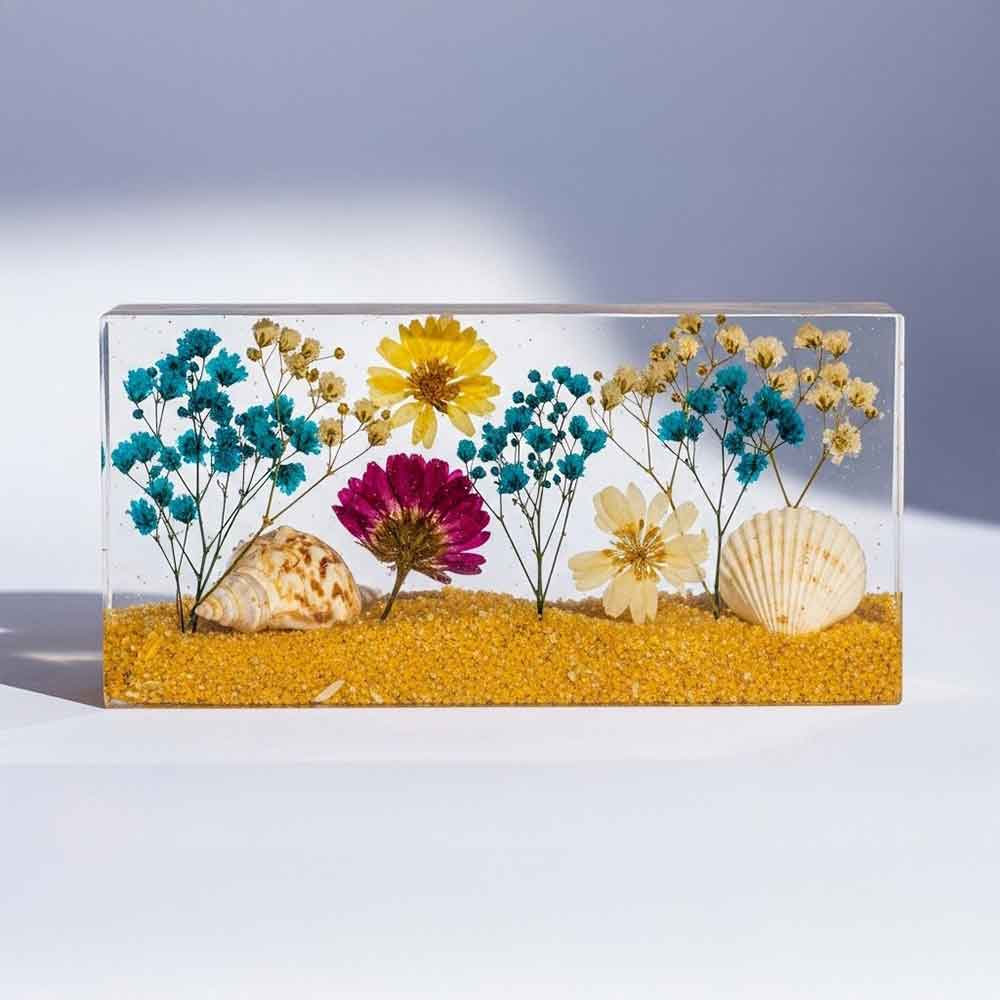
Epoxy resin, with its aesthetic properties and versatility, has revolutionized the world of interior and artistic decoration. Increasingly favored by artisans, designers, and DIY enthusiasts, it makes it possible to create unique, modern, and visually striking pieces. Among the most popular applications is the creation of artistic wall panels. These custom-made works, sometimes comparable to true contemporary paintings, add character and a touch of originality to any space, whether private or professional.
Why choose epoxy resin for wall panels?
Epoxy resin is an extremely adaptable material. When applied to a flat surface such as wood, metal, or MDF, it allows for the creation of artistic surfaces with flawless finishes. Its transparency and ability to incorporate pigments, metallic powders, and other additives make it an ideal medium for playing with colors, depth effects, and textures.
Wall panels made with epoxy resin stand out for their glossy, almost glass-like finish that captures and reflects light. This high-end look transforms walls into living surfaces that immediately draw the eye. Unlike other decorative techniques, resin also offers excellent durability. It is resistant to impacts, moisture, and temperature variations, making it a suitable choice for walls in living rooms, bathrooms, or kitchens alike.
Finally, epoxy resin allows for limitless customization. Whether you want an abstract panel with marbled effects or a realistic composition incorporating patterns, objects, or inclusions, anything is possible with a bit of imagination and technique.
Steps to creating an artistic wall panel
Creating an epoxy resin wall panel requires following several precise steps to achieve a result that meets expectations. The project always begins with preparing the support. The choice of material depends on the desired effect: wood, with its natural appearance, is often preferred, but metal or plexiglass supports can produce equally striking results.
Once the support is selected, it is essential to carefully prepare the surface by sanding and cleaning it. A smooth, clean base ensures optimal resin adhesion and a flawless final finish. At this stage, some artists choose to apply an initial layer of acrylic paint to create a colored background that will serve as the foundation of the artwork. This base coat can be monochrome or include nuances that influence the final result.
The epoxy resin is then prepared with great care. The mixture, composed of resin and hardener, must be measured according to the exact proportions indicated by the manufacturer. This step is crucial to obtain a perfectly transparent, bubble-free resin. At this point, colored pigments, mica powders, or metallic additives can be added to create a variety of visual effects: marbling, waves, gradients, or even imitations of natural stones such as agate or quartz.
The resin is generally applied by pouring. Pouring the resin directly onto the panel allows you to take advantage of the material’s fluidity to create dynamic, organic effects. The resin can be guided using a torch or a spatula to form movements, reliefs, or transparent areas. This freedom of application offers endless possibilities for composing unique works.
Once the resin is poured, it is important to remove any air bubbles that could affect the surface. This is usually done with a torch or heat gun, which brings bubbles to the surface and causes them to burst. The panel must then be left to cure in a dust-free environment. Drying time, which can range from 12 to 48 hours, depends on the resin thickness and ambient conditions.
Advanced techniques for spectacular visual effects
Creating artistic wall panels with epoxy resin goes far beyond simple pours. Experienced artists use various techniques to achieve spectacular effects. Adding inclusions, for example, allows objects to be embedded in the resin to enrich the visual impact. These can include gold leaf, shells, natural stones, or even dried flowers, which give the artwork a three-dimensional effect.
Metallic and pearlescent pigments are also highly valued for their luminous effects. When mixed into the resin, they create iridescent reflections that change depending on the angle of the light. This technique is ideal for creating artistic panels inspired by mineral or aquatic themes.
For those who enjoy realistic compositions, layering multiple resin pours is possible. This method, which involves pouring resin in several stages, creates real visual depth. Each layer can be painted or enhanced with decorative elements, resulting in a rich, detailed final piece.
Applications of epoxy resin wall panels
Epoxy resin wall panels can be integrated into a wide range of interiors. In a living room, an abstract panel with marbled tones becomes a true contemporary artwork that draws attention. Paired with neutral colors or natural materials such as wood or stone, it adds elegance and modernity.
In a bathroom, a panel inspired by waves or ocean depths complements a calm, zen atmosphere. Thanks to epoxy resin’s resistance to moisture, these panels retain their beauty even in water-exposed environments.
Commercial spaces are not left out. Shops, hotels, and restaurants increasingly use these artistic panels to create a unique and memorable ambiance. Whether used as an accent wall, a counter feature, or a decorative focal point, epoxy resin provides a strong visual identity.
Let your creativity run free
Creating wall panels with epoxy resin is, above all, a way to express creativity without limits. Each piece is unique, reflecting the skill and imagination of its creator. Thanks to its aesthetic and technical qualities, epoxy resin opens up endless possibilities for transforming walls into true works of art.
Whether you are an experienced artist or a passionate amateur, working with epoxy resin is a rewarding experience that combines precision, art, and modernity. The panels created become centerpieces in interior design, capable of enhancing a space and giving it a truly unique identity.