Epoxy resin is a material with endless possibilities and has become essential for creators and DIY enthusiasts. One of its most fascinating applications is the integration of natural materials such as dried flowers, wood, and stones, which makes it possible to create unique, elegant pieces deeply inspired by nature. Whether for jewelry, tables, decorative panels, or art objects, combining the transparency of resin with raw, organic elements produces spectacular results. Here is a complete guide to mastering this technique and elevating your epoxy resin creations.
Why Combine Natural Materials with Epoxy Resin?
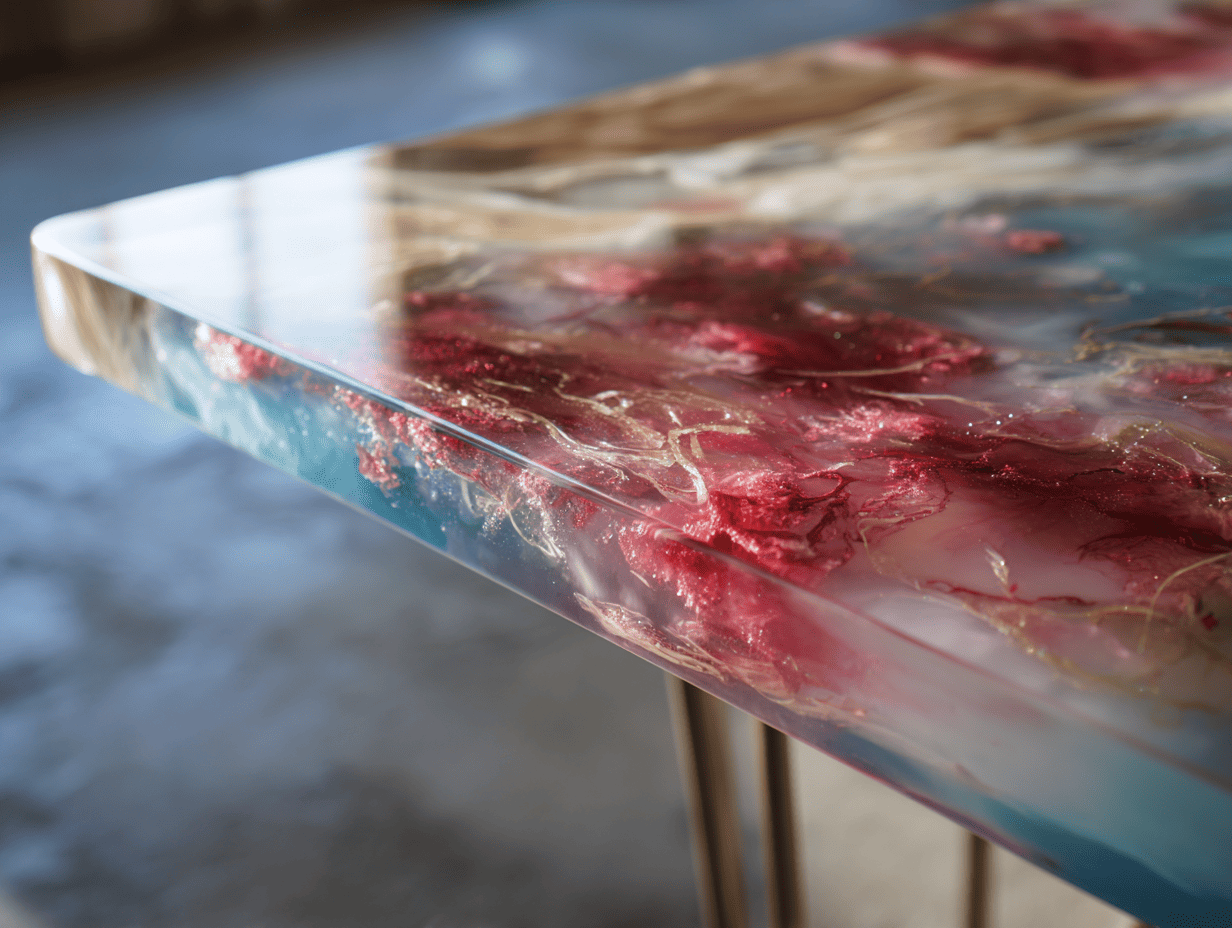
Combining epoxy resin with natural materials creates a true alliance between art and nature. Resin, with its crystal-clear transparency, highlights every detail of the embedded elements while protecting them over time. The textures and colors of natural materials—whether delicate flowers, warm wood, or textured stones—contrast beautifully with the purity of resin, resulting in a harmonious and visually captivating finish.
These combinations also add an organic dimension to your creations. A dried flower trapped in resin appears frozen in time, while a raw piece of wood embedded in a table becomes both a functional and artistic work. Stones, meanwhile, add a mineral touch and a unique visual effect thanks to their natural reflections and imperfections.
Integrating Flowers into Epoxy Resin
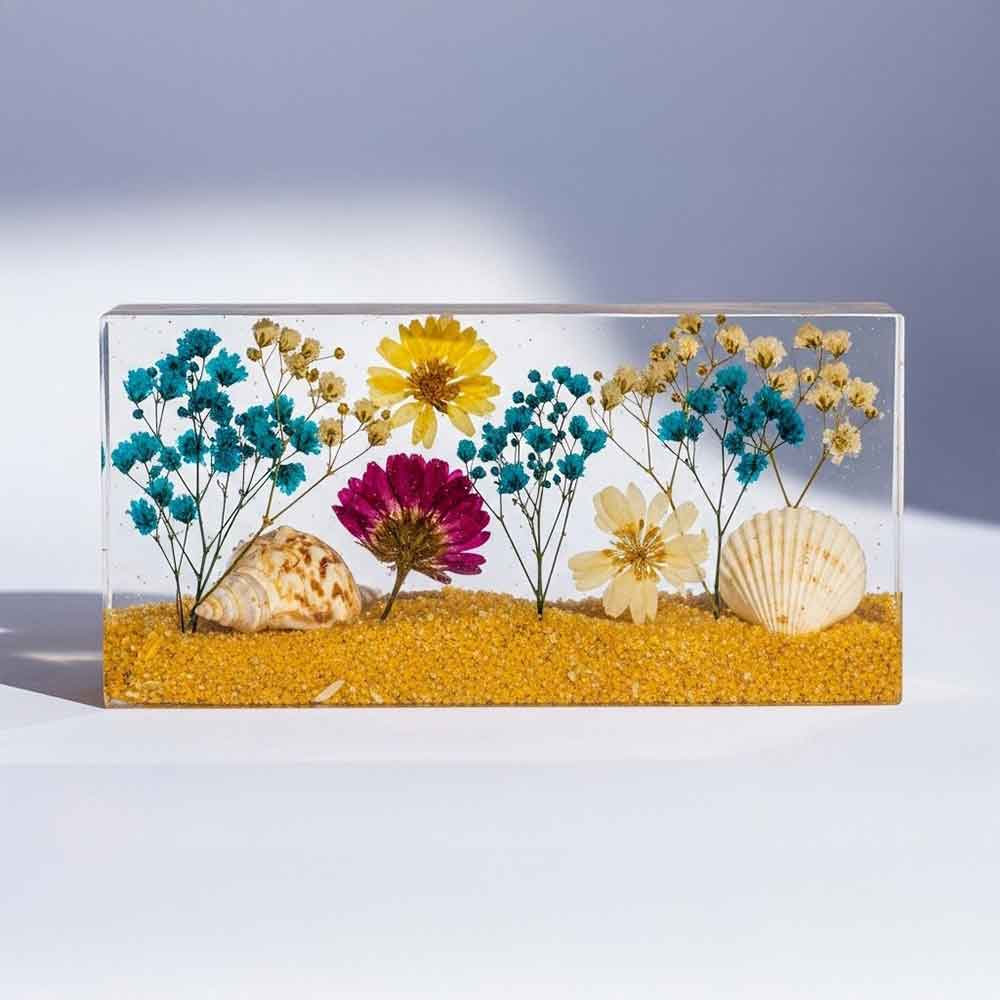
Dried flowers are among the most popular materials used in epoxy resin creations, especially for jewelry, decorative objects, or wall art. To achieve the best results, the process begins with careful flower selection. Choosing fine, delicate varieties such as daisies, gypsophila, or rose petals allows you to play with transparency and lightness in the composition.
Drying the flowers is an essential step before incorporating them into resin. Freshly picked flowers contain moisture that can react with the resin and compromise the final result. Several drying methods exist: the traditional technique of pressing flowers between book pages to flatten them, or using silica gel to preserve their natural volume.
Once the flowers are ready, they are placed in the mold or on the chosen surface before pouring the epoxy resin. It is best to work in successive layers to prevent the flowers from floating to the surface. A first thin layer of resin helps secure the elements, followed by additional layers to fully encapsulate them. Using a torch or heat gun helps remove air bubbles and ensures a smooth, clear finish.
The final result is well worth the effort: flowers immortalized in crystal-clear resin, creating pieces that are both poetic and durable.
Integrating Wood into Epoxy Resin Creations
Wood is a particularly popular natural material for epoxy resin projects, especially in the creation of tables, decorative panels, or designer objects. The combination of raw wood and resin produces an elegant look that plays on the contrast between the organic warmth of wood and the clean, modern appearance of resin.
When working with wood, proper surface preparation is essential. Raw wood must be sanded and cleaned to remove any dust, natural resins, or moisture. Poorly prepared wood can cause bubbles or cracks in the resin once poured. It is also recommended to seal the wood with a first thin coat of resin to prevent air trapped in the pores from escaping during the main pour.
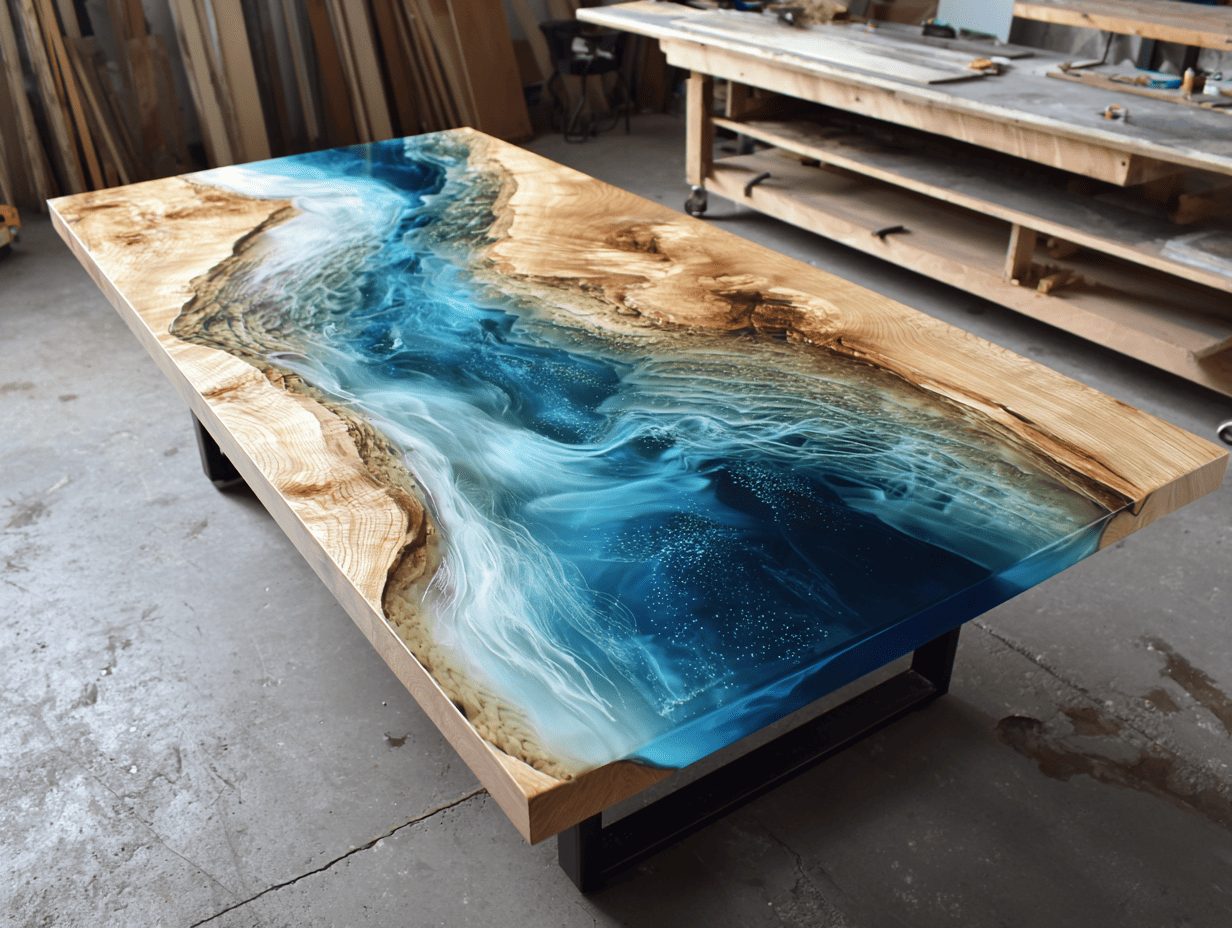
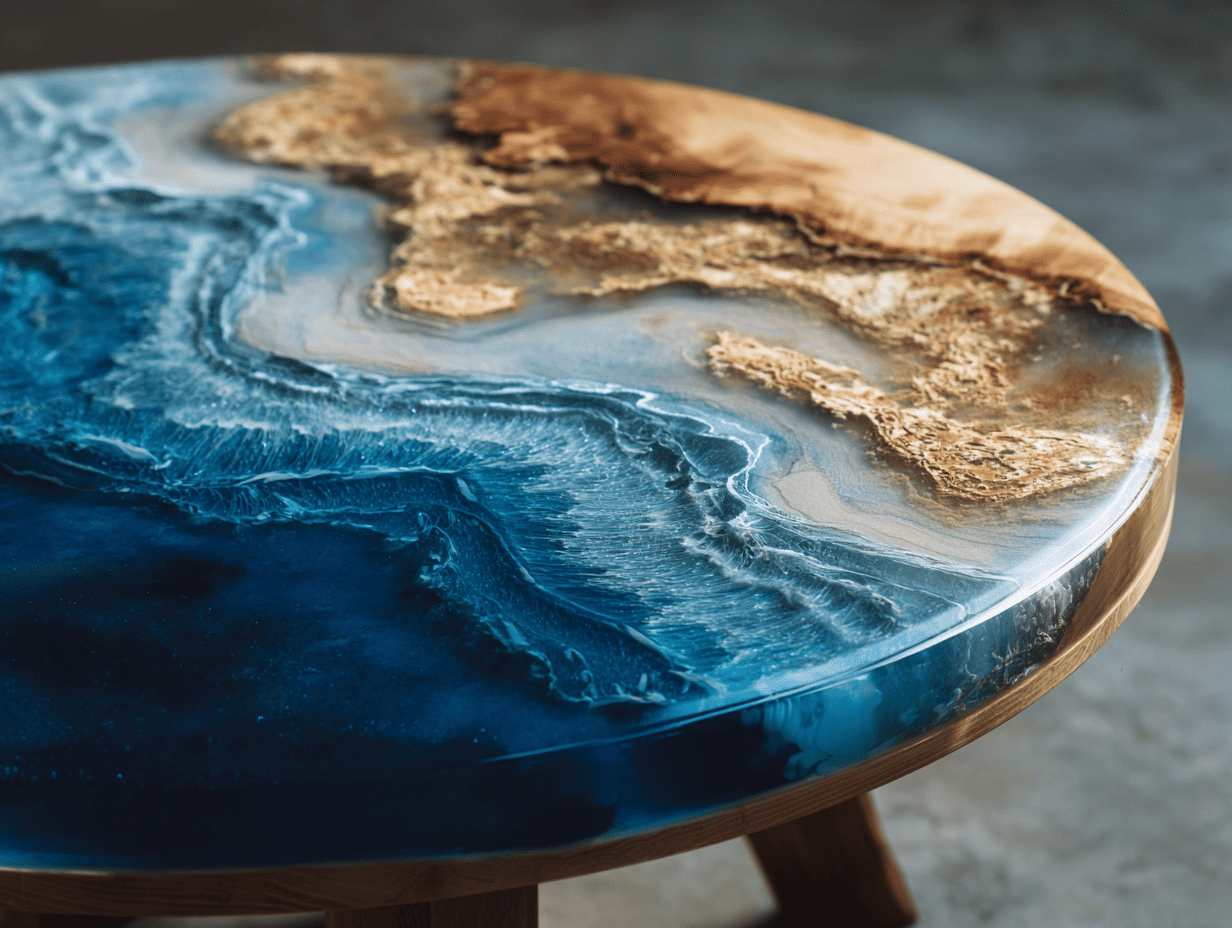
One of the most popular techniques is creating “river” designs, where two wooden slabs frame a space that is filled with resin. By adding pigments, water-like or marble effects can be achieved, resulting in a visually stunning piece.
The natural imperfections of wood—such as knots, cracks, or grain patterns—become aesthetic assets once encapsulated in resin. The combination of raw textures and the smooth, glossy finish of resin gives rise to unique furniture pieces in which every detail is enhanced.
Working with Natural Stones
Natural stones such as pebbles, onyx, amethyst, or quartz add a mineral dimension and striking visual depth to epoxy resin creations. Their textures, reflections, and varied colors pair perfectly with the transparency of resin to create original and sophisticated decorative pieces.
Incorporating stones requires careful preparation. Stones must be cleaned to remove any dust or oils that could prevent proper resin adhesion. In some projects, stones can be arranged at the bottom of a mold or on a surface before carefully pouring resin around them. This method creates natural, aesthetically pleasing inclusions while playing with depth effects.
For an even more artistic result, some creators combine stones with metallic or pearlescent pigments, producing spectacular light effects. The contrast between raw stones and smooth resin creates a visual dynamic that immediately draws the eye.
Precautions for Successful Creations
While integrating natural materials into epoxy resin opens up infinite creative possibilities, it also requires precision and patience. Resin is a demanding material, and every natural element must be perfectly dry and properly prepared to avoid unwanted reactions.
Choosing the right resin is also crucial: a high-quality, transparent, and durable resin ensures a long-lasting, flawless result. Curing times—often lengthy—must be respected to allow the resin to harden properly without cracks or imperfections.
Finally, it is important to work in a clean, well-ventilated environment and to use appropriate protective equipment such as gloves, a mask, and safety glasses.