Epoxy resin is a highly valued material for its crystal-clear transparency, versatility, and ability to transform any creation into a modern, elegant piece. However, to achieve a flawless result, it is essential to master certain techniques—especially those that help prevent air bubbles. These small imperfections can quickly ruin the finish of your creations and detract from the desired effect, whether you are making jewelry, tables, decorative objects, or artistic panels. Here is a complete guide to understanding the causes of air bubbles and learning how to eliminate them effectively to achieve a perfectly smooth, translucent resin finish.
Why do air bubbles appear in epoxy resin?
Air bubbles in epoxy resin mainly appear during mixing or pouring. When you mix the resin with the hardener, the mechanical action of the spatula or stick incorporates air into the mixture. These small air pockets become trapped in the resin and may have difficulty rising to the surface due to the viscosity of the blend.
Ambient temperature also plays a key role in bubble formation. Resin used in an environment that is too cold will be thicker and retain more bubbles, whereas an appropriate temperature will help bubbles rise and burst naturally. Finally, some porous substrates, such as raw wood, can release air when they come into contact with resin, leading to bubble formation.
Preparing the resin to avoid bubbles
The first step to achieving bubble-free resin starts with meticulous preparation. It is essential to respect the exact resin-to-hardener ratios indicated by the manufacturer. Accurate mixing ensures an optimal chemical reaction and prevents curing defects or imperfections.
When mixing, use slow, steady movements rather than fast, abrupt motions. Vigorous stirring is a common cause of air bubbles. A silicone spatula or wooden mixing stick is recommended, as it allows you to scrape the sides and bottom of the container thoroughly without excessively agitating the resin.
Pouring the resin
Once the resin is prepared, the pouring stage requires great care. To limit air incorporation, pour the resin slowly and steadily, letting it flow in a thin stream. Pouring from too great a height can create additional bubbles. If you are working with molds or delicate surfaces, pour the resin in several thin layers rather than one thick layer. This method helps eliminate bubbles gradually and ensures a cleaner result.
When applying resin to porous substrates such as wood or cardboard, prior preparation is essential. It is recommended to seal the surface with an initial thin coat of resin applied with a brush or spatula. This step limits air release from the material’s pores and prevents bubbles from forming in the final layer.
Eliminating air bubbles during curing
Even with careful preparation, some bubbles may remain in the resin after pouring. Fortunately, several techniques can be used to eliminate them effectively before the resin begins to cure.
One of the most commonly used methods is the application of heat. A torch, heat gun, or even a hairdryer set to the lowest temperature can be used to pop surface bubbles. Gently heating the resin allows trapped air to rise more quickly and burst under the effect of heat. However, it is important not to overheat the resin, as excessive heat can cause defects, yellowing, or alter curing time.
For small creations such as jewelry, an alternative method is to use a toothpick or fine needle to gently pop visible surface bubbles. This technique requires patience but is particularly effective for precise details.
Controlling the working environment
The environment in which you work directly affects the quality of your epoxy resin. An ambient temperature between 20 and 25 °C (68–77 °F) is ideal to promote resin fluidity and natural bubble release. Avoid working in spaces that are too cold or too humid, as this can increase resin viscosity and slow air release.
It is also important to keep your workspace clean and protected from dust. Fine particles falling into curing resin can trap new air bubbles or create imperfections. If necessary, cover your creations with a dome or box to protect them during curing.
Tips for specific projects
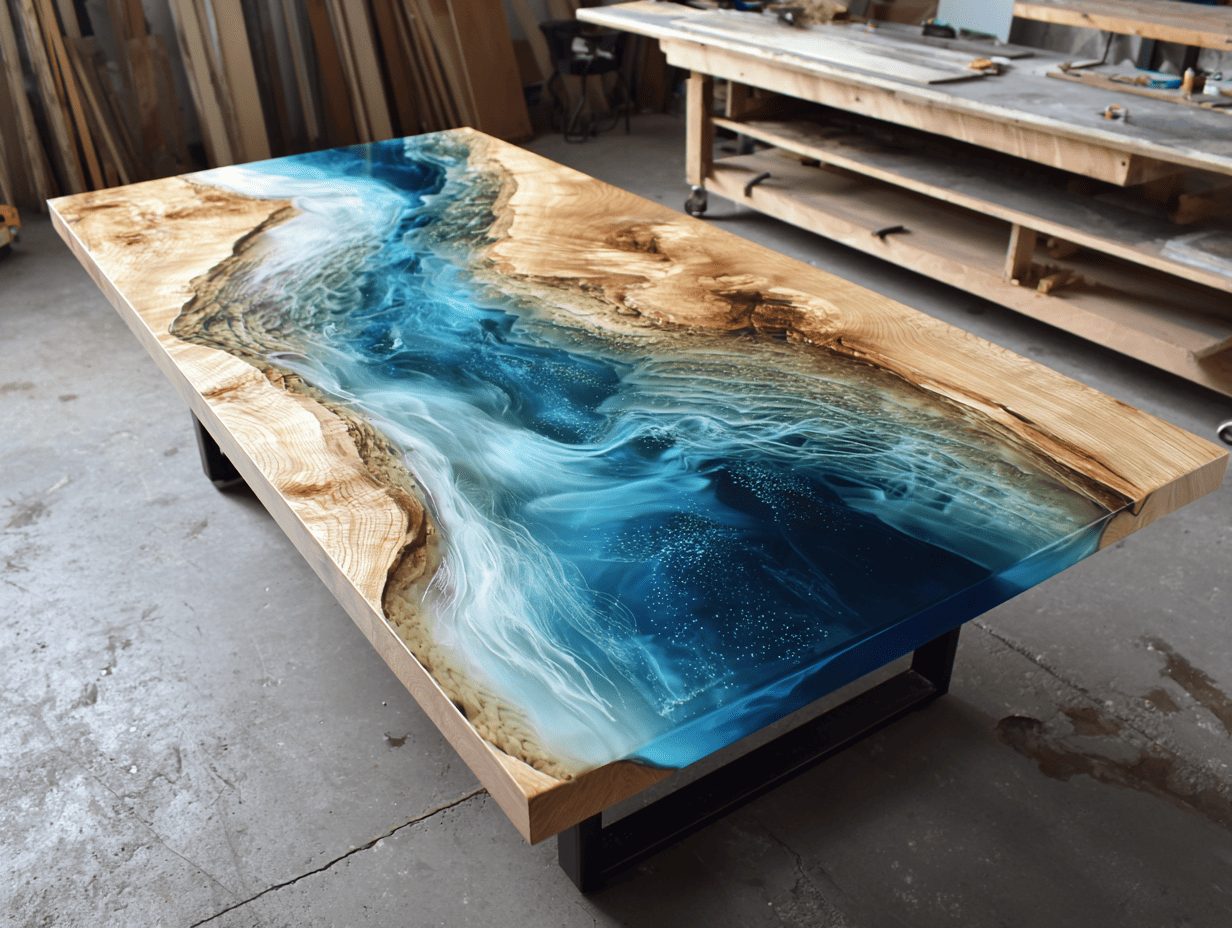
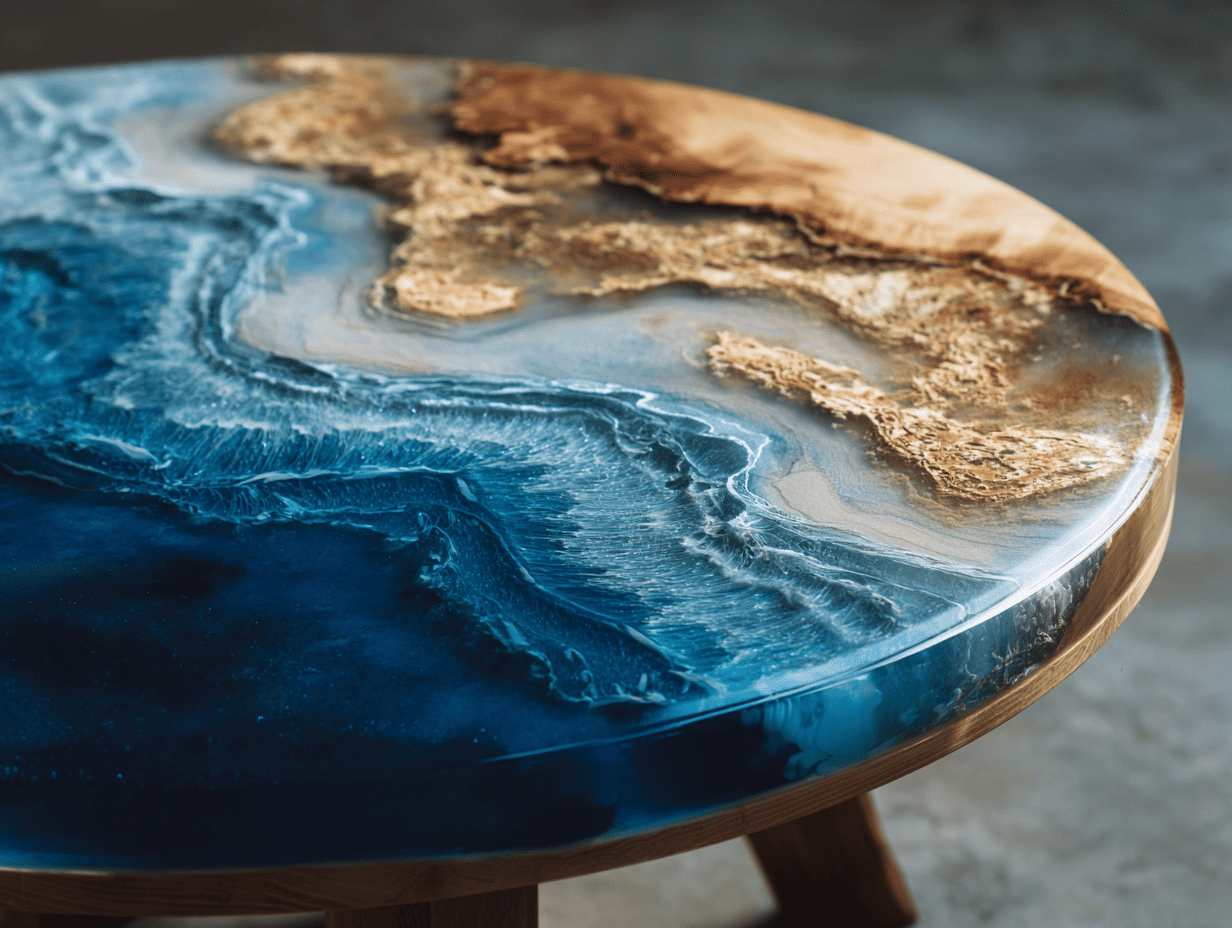
Some projects require special attention to avoid air bubbles. For example, when creating resin tables with wood inclusions, the natural pores of the wood must be properly sealed to prevent air escape. Applying an initial thin coat of resin with a brush helps seal these pores before adding subsequent layers.
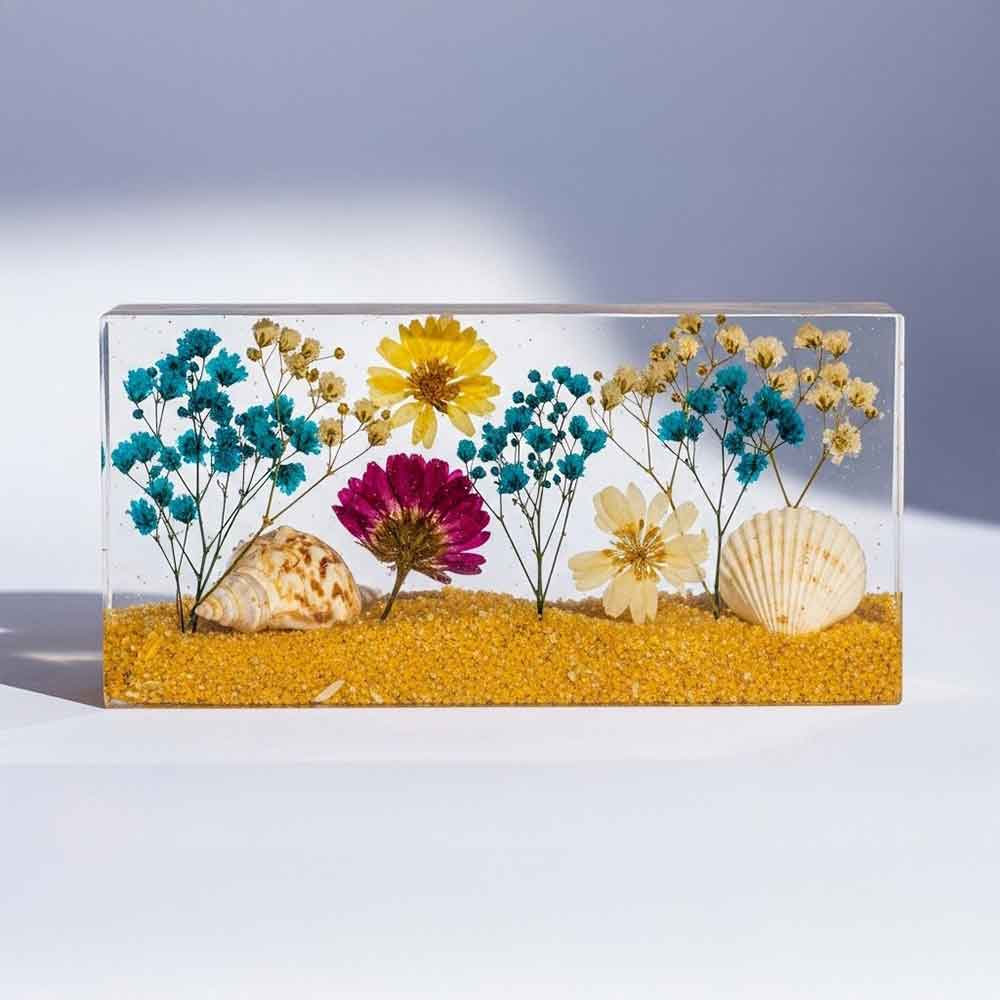
For projects involving inclusions such as dried flowers or stones, it is recommended to apply a first thin layer of clear resin to lightly coat the object. This step prevents air trapped within the inclusions from escaping when they come into contact with the main resin pour.
Avoiding air bubbles in epoxy resin requires careful preparation, precise application, and proper control of working conditions. By adopting the right techniques, you can achieve a perfectly smooth, translucent finish that enhances your creations. Whether you are making jewelry, furniture, or decorative objects, mastering these steps will allow you to turn your projects into unique pieces of high aesthetic quality. With patience and a bit of practice, air bubbles will no longer be an obstacle, but simply a mastered step in your creative process.