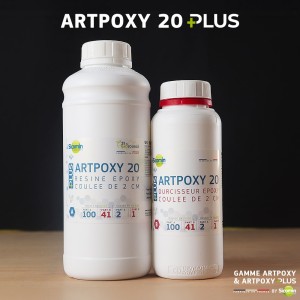
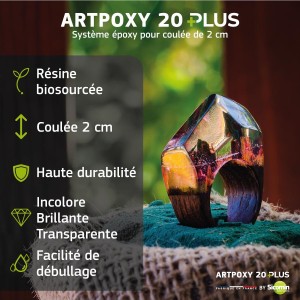
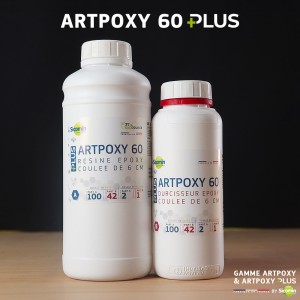
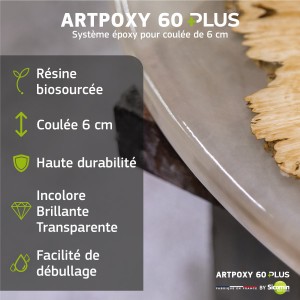
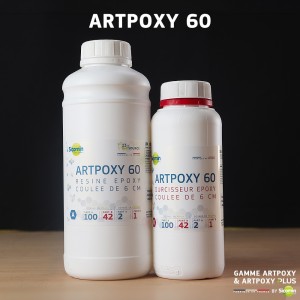
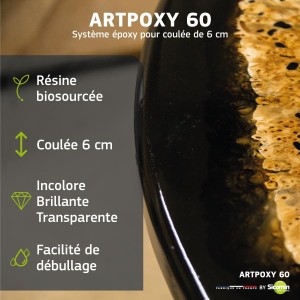
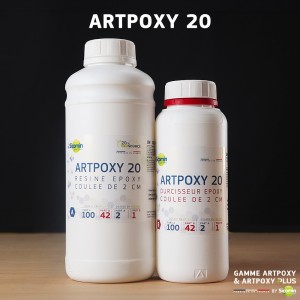
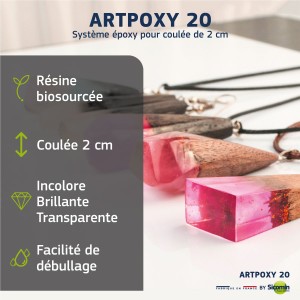
Resin can be used in many fields and is particularly popular in artistic and leisure activities. Depending on your project, different types of resin can be selected, and it is important not to choose your product at random. There are resins specifically designed for casting applications. In this article, we explain their properties and guide you in selecting the resin best suited to your needs.
What Are the Characteristics of Casting Resins?
Casting resins are extremely popular because they allow the creation of a wide variety of objects and meet the needs of many artistic projects. This type of resin differs from others due to specific characteristics that ensure an optimal and aesthetic result. Here is what you need to know.
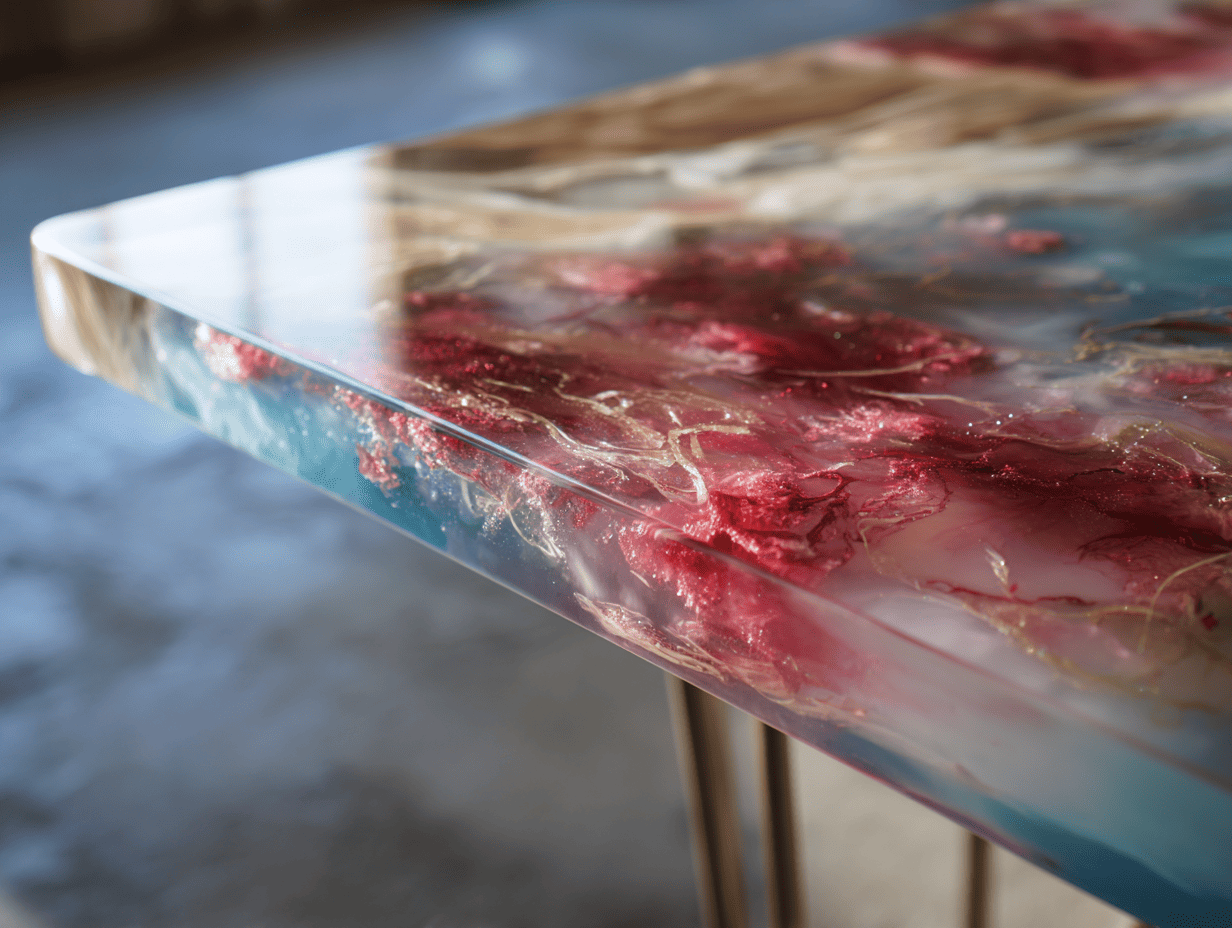
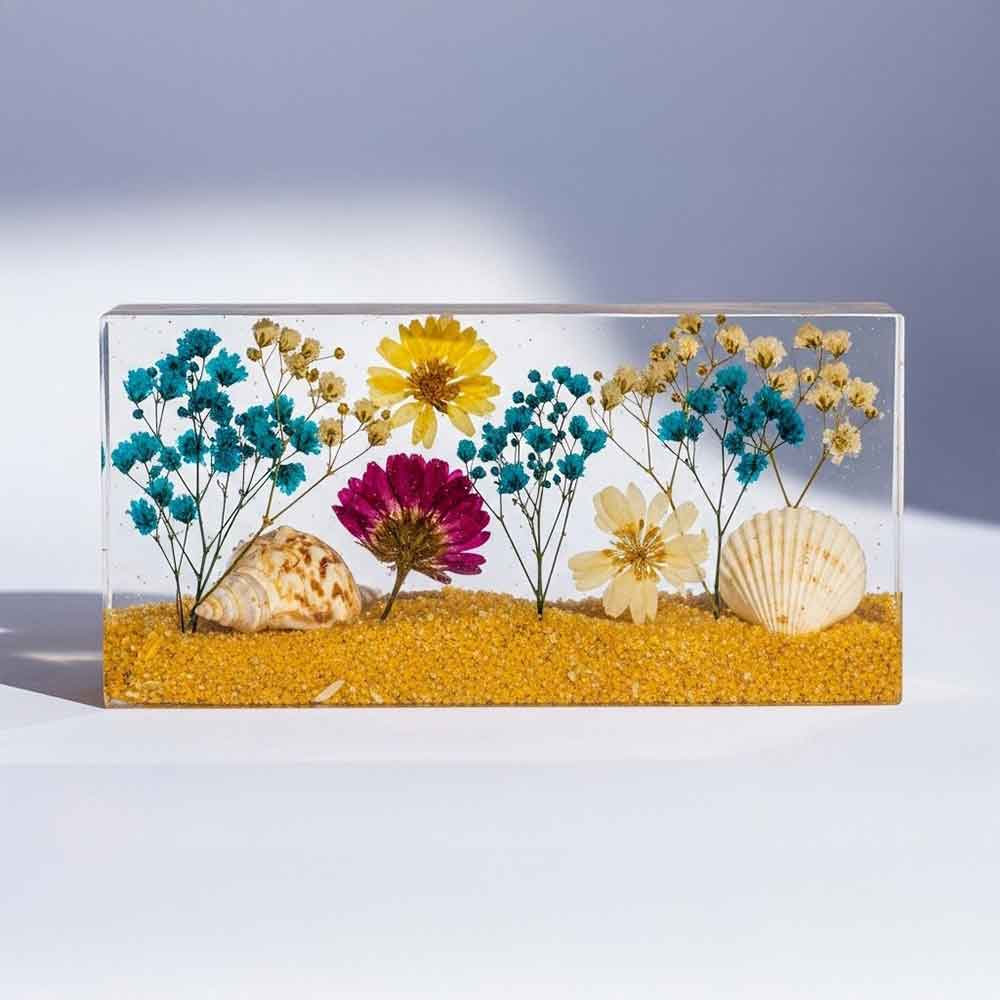
Casting resins generally have a low viscosity, which allows them to be poured easily. Compared to other resin-based products, their curing process is slower, providing a longer working time. This extended working time makes it possible to add inclusions, pigments, or other finishes of your choice. Keep in mind that curing time can sometimes take up to a week. In addition to allowing more working time, this slow curing also helps reduce the formation of air bubbles. The low viscosity of casting resin also allows colors to mix more easily and quickly.
Be careful not to confuse casting resin with laminating resin. Laminating resin is not suitable for casting because it is much more viscous and cures far more quickly. However, unlike casting resin, it allows better definition between color layers without unwanted color blending.
When Should You Choose a Casting Resin?
Depending on your project, you may be wondering whether casting resin is the right choice. Here are the situations where selecting this type of resin is particularly advantageous.
Manufacturing River Tables
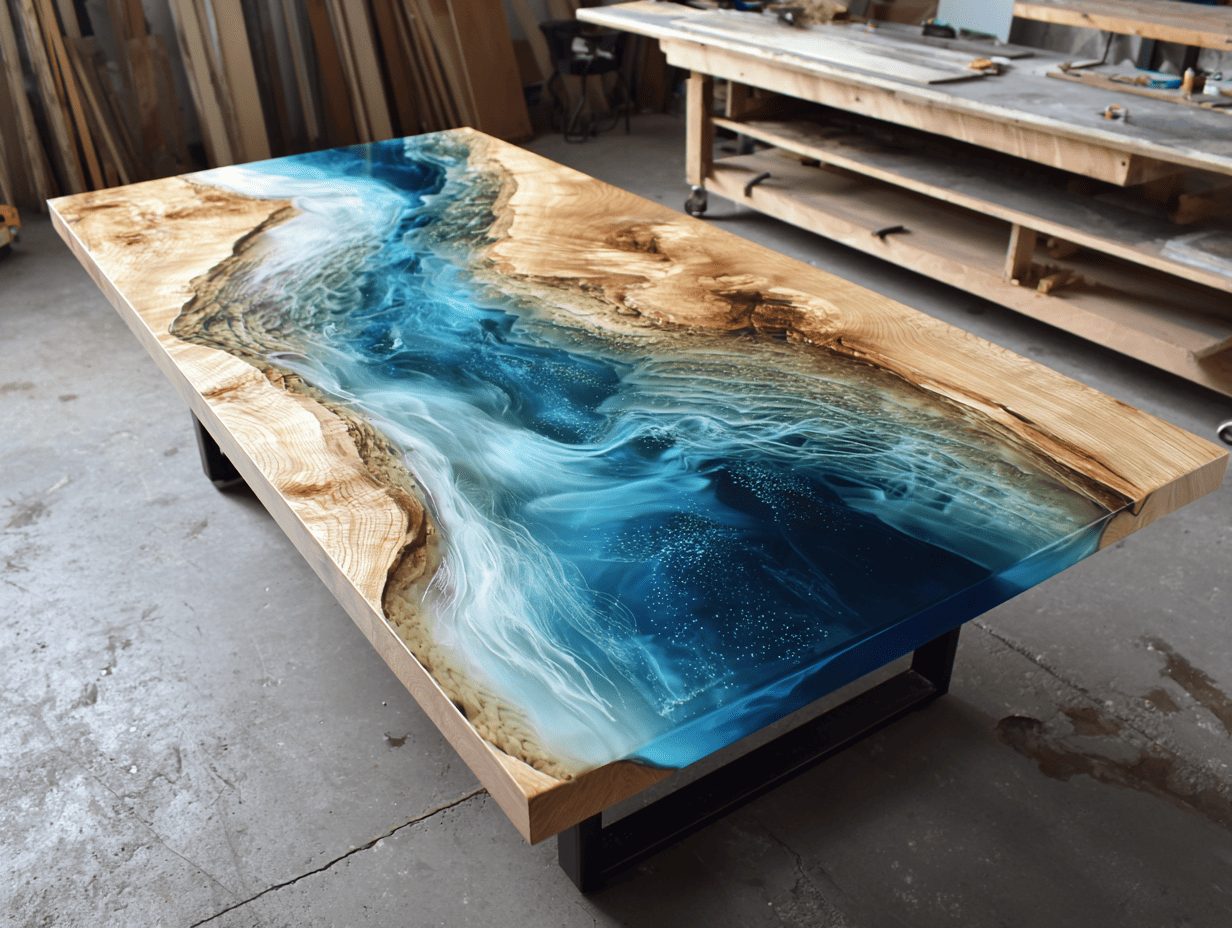
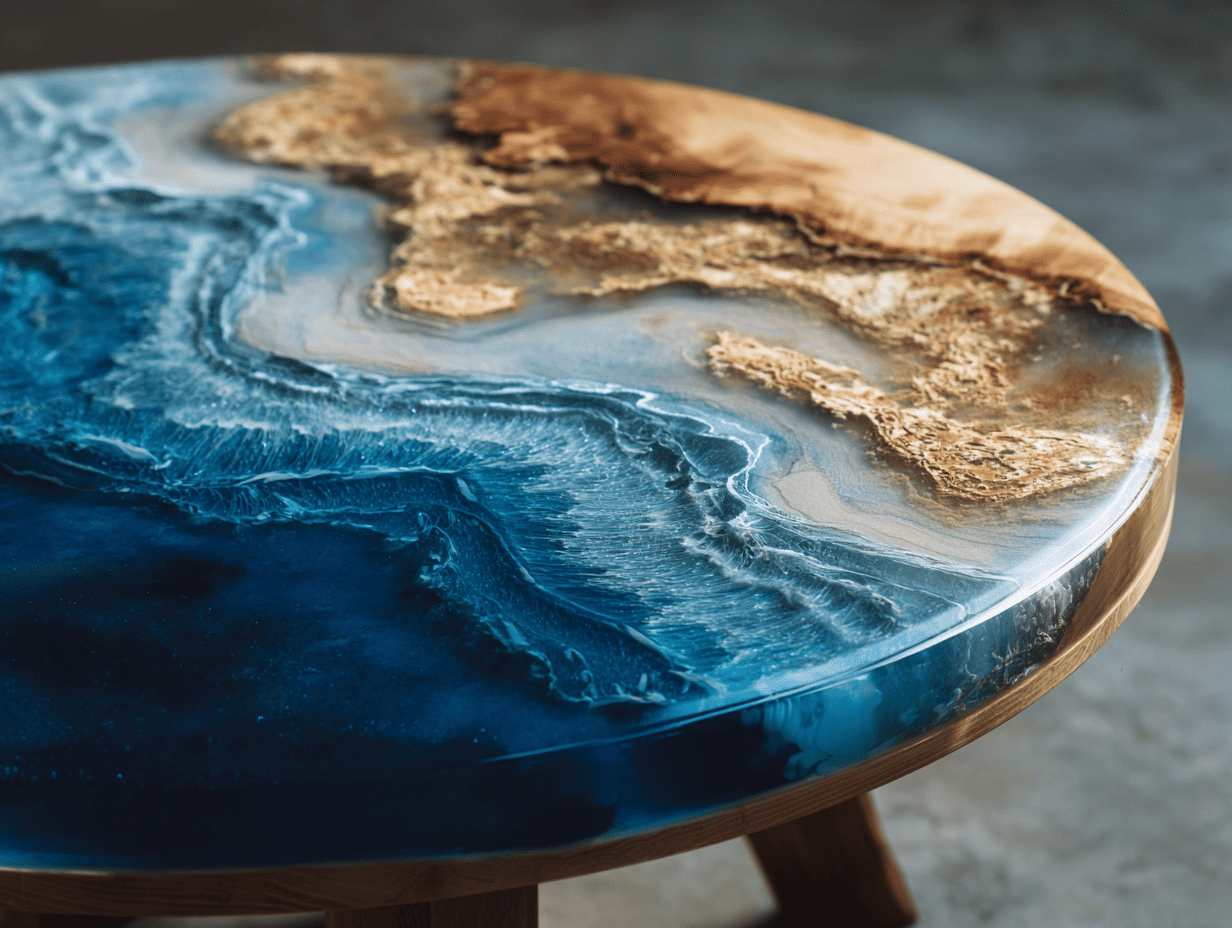
River tables with their striking design have taken over the internet. The visual effect is impressive: a simple table can be transformed into a true work of art thanks to a colored resin pour—often blue—running through its center. For this type of project, casting resin is essential.
Creating Resin Jewelry
Resin jewelry is increasingly popular and highly fashionable. Using different molds, jewelry pieces can be made in various shapes and sizes to appeal to a wide audience. Offering a glass-like appearance while being more impact-resistant, resin is an ideal material. Casting resin should be preferred for jewelry creation.
Making Resin Lamps
With their futuristic and highly design-oriented look, resin lamps continue to attract attention. Once again, casting resin is the best option if you plan to create your own resin lamp.
How to Identify the Right Casting Resin?
In stores, the term “casting resin” is rarely clearly stated on product labels. Therefore, it is up to you to carefully read the product datasheet to ensure it is suitable for your intended use. For casting applications, you should verify that the resin has low viscosity. Also check the curing time: the slower the curing, the more fluid the resin and the better it will perform for casting. Do not hesitate to ask a specialist for advice to be completely confident in your choice.
Good to Know
When working with casting resin, certain precautions must be taken. Some components can be hazardous if they come into contact with skin or eyes. It is recommended to wear long-sleeved clothing (or a protective coat), nitrile gloves, and safety glasses. As an additional precaution, a respirator mask can also be worn.
Si vous souhaitez ensuite une version SEO optimisée, une adaptation pour newsletter, ou une déclinaison pour fiche produit, dites-le-moi et je m’en occupe.