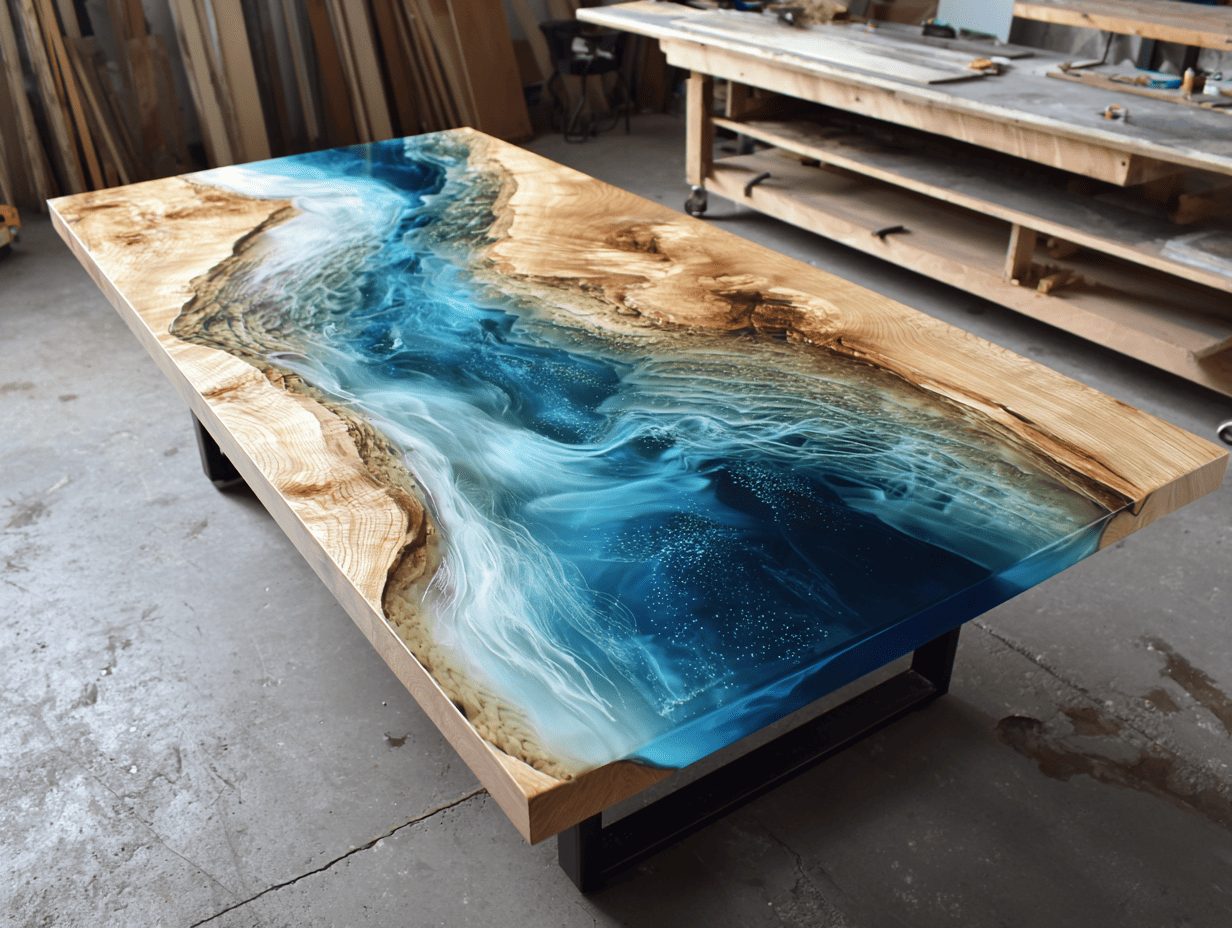
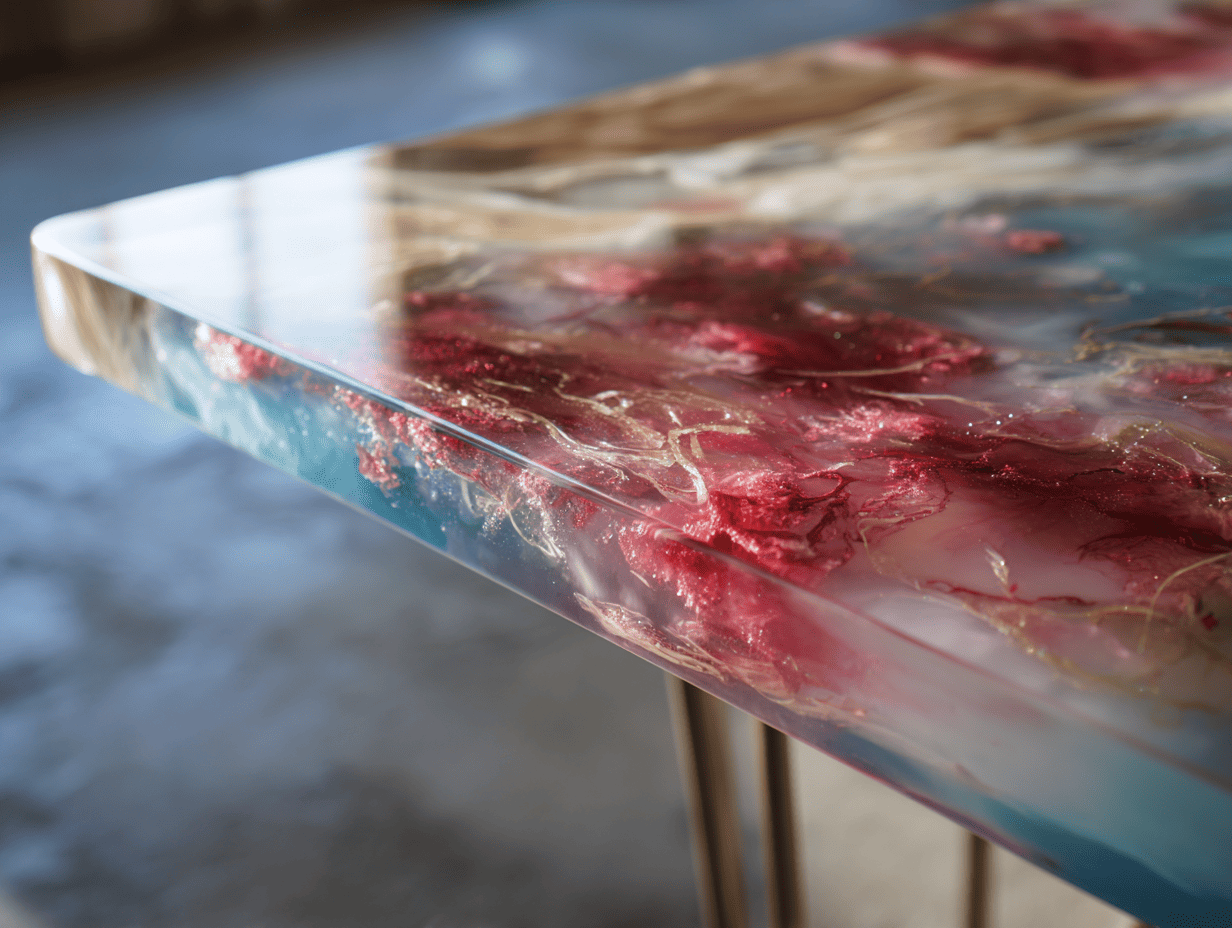
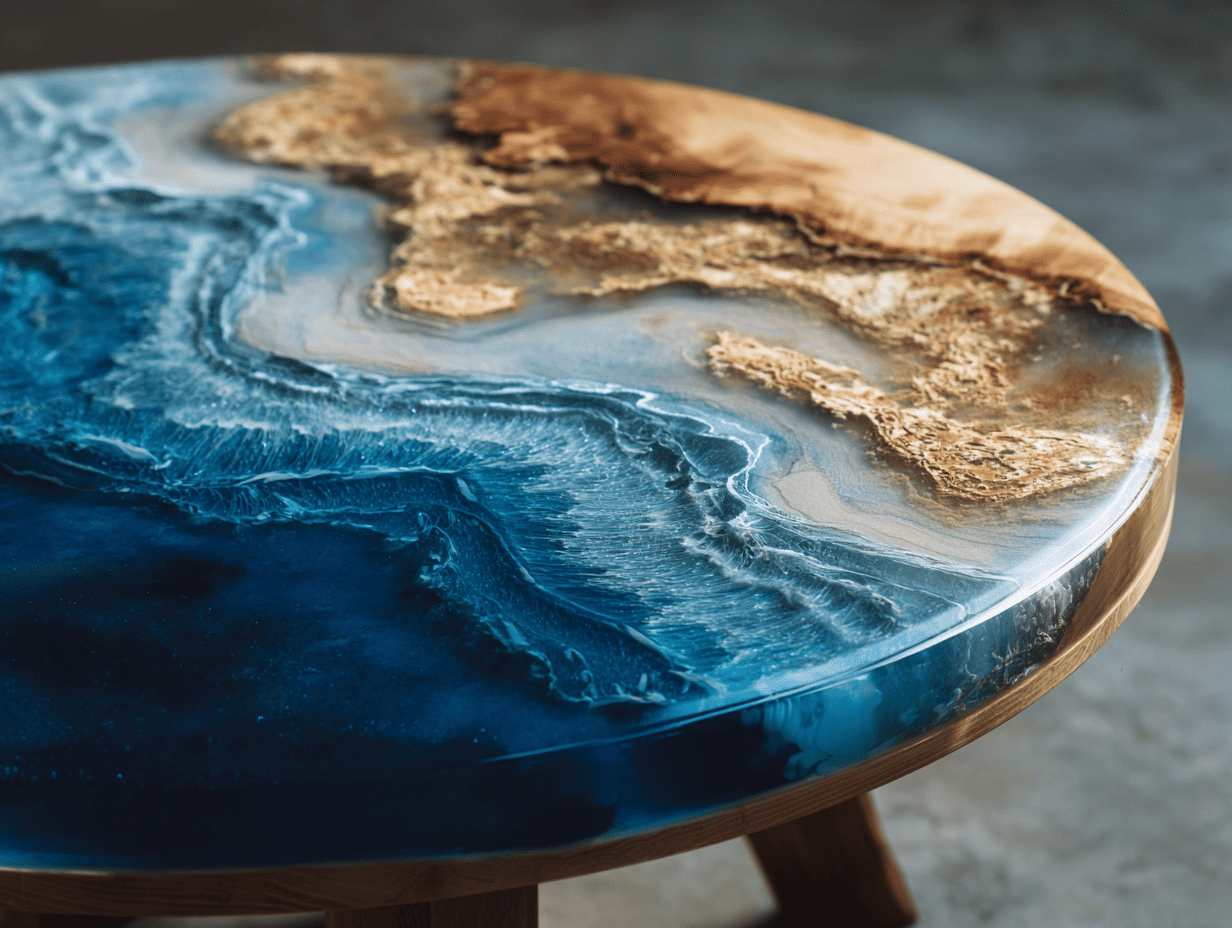
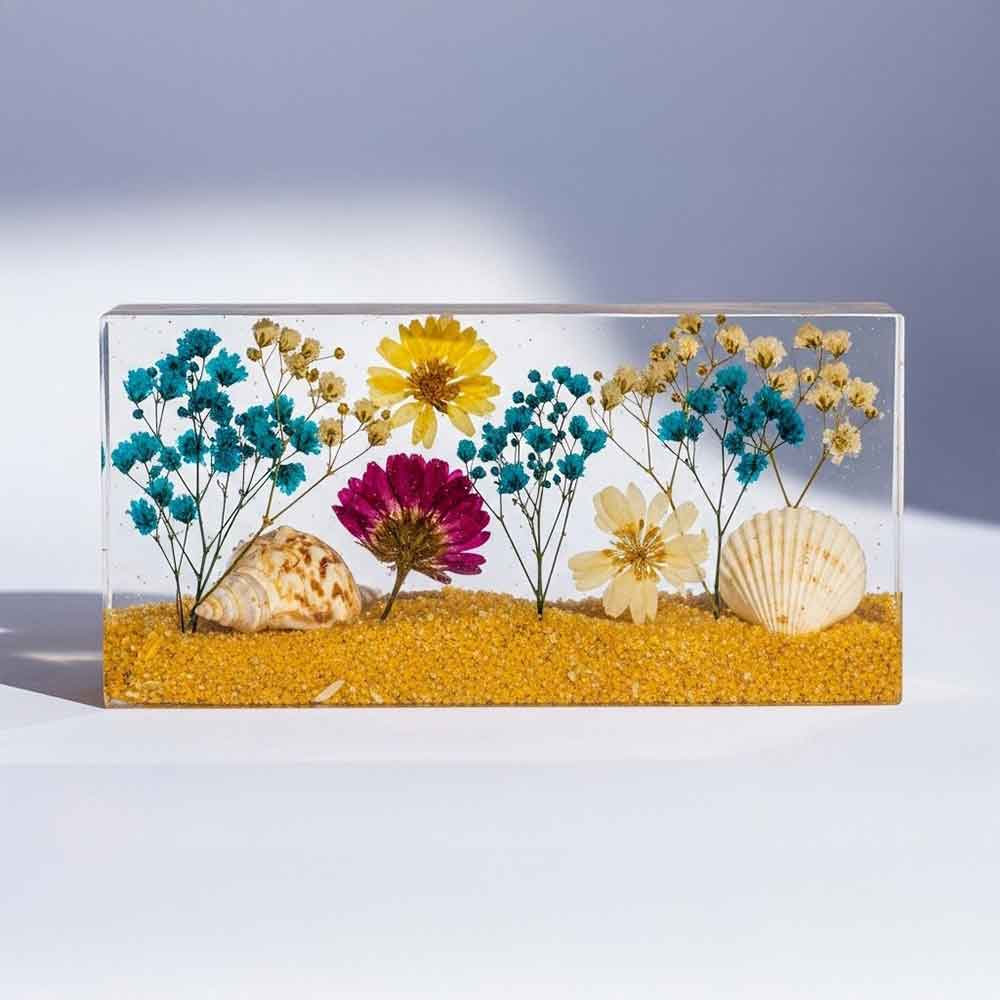
Epoxy resin is a highly valued material for creating artistic and decorative objects thanks to its transparency, gloss, and ability to encapsulate various elements. One of the most sought-after effects among creators is depth, which adds relief to artworks and creates a captivating sense of volume. Whether it’s seascapes, marbled effects, or three-dimensional scenes, mastering depth techniques enhances any creation.
Achieving a successful depth effect is not just about pouring a single layer of resin. Several factors come into play: material selection, layer stacking, the use of specific pigments, and managing light and shadows. A careful approach and a few technical tips can amplify this visual effect and bring real dynamism to your work.
In this article, we’ll explore the best techniques for creating depth effects with epoxy resin. From choosing the right colorants to layering effects, including the use of inclusions and gradients, discover how to add a new dimension to your creations!
Choosing materials and colors for a successful depth effect
The importance of transparent and semi-transparent resins
-
Opt for a transparent casting resin for better clarity and layer visibility.
-
Avoid resins that are too thick or overly pigmented, as they can hide lower layers.
-
Semi-transparent resins help create an artistic blur between layers.
Tip: Choose a resin that is resistant to yellowing to preserve the depth effect over time.
Using translucent pigments and colorants
-
Alcohol inks: ideal for subtle, progressive gradients.
-
Pearlescent or metallic powder pigments: add shine and relief.
-
Transparent liquid dyes: tint the resin without masking underlying layers.
Tip: Alternate colored and clear layers to maximize the sense of volume.
Adding particles and inclusions to create visual layers
-
Glitter and micro metallic flakes: capture light and enhance volume.
-
Gold, silver, or copper leaf: add an artistic suspended effect.
-
Natural elements: shells, dried flowers, wood, and semi-precious stones create an authentic 3D look.
Tip: Place darker elements in the background and lighter ones near the surface.
Layering techniques: the key to a successful 3D effect
Creating successive pours
-
Pour multiple thin layers to control colors and inclusions.
-
Wait for full curing before adding each new layer.
-
Vary layer thickness for a more subtle, professional effect.
Tip: Always respect curing times to avoid defects.
Playing with opacity and transparency
-
Dark tones in the background enhance depth.
-
Light colors and transparent elements add airiness.
-
Semi-transparent dyes create misty or aquatic effects.
Tip: Use an airbrush or fine brush for subtle shading.
Adding patterns and textures between layers
-
Alcohol inks and acrylic paint for marine or celestial details.
-
Metallic powders for a dynamic, shimmering effect.
-
Dry brush or sponge techniques for subtle textures before curing.
Tip: Wait until the layer is semi-cured to apply crisp patterns.
Advanced visual effects to enhance depth
Using light and reflections
-
Iridescent and holographic pigments: create an illusion of movement and variable depth.
-
Phosphorescent inks and resins: glow in the dark.
-
Mica sheets, gold, or silver leaf: accent specific areas with reflective effects.
Tip: Test different light sources to optimize placement.
Gradient and shading techniques to enhance perspective
-
Progressive gradients: dark to light for a natural depth effect.
-
Strategic shadows: visually structure lower layers.
-
Translucent veils: add a misty or mysterious look.
Tip: Test gradient effects on a small surface before final application.
“Deep water” effects and natural landscape imitations
-
Deep water: layered blues and greens, air bubbles, ripples.
-
Marine or celestial scenes: tinted resin combined with acrylic paint and luminous pigments.
-
Natural inclusions: sand, wood, shells for enhanced realism.
Tip: Vary the density of elements in each layer for progressive relief.
Add depth to your creations with the best products!
Ready to explore new dimensions with epoxy resin? To achieve stunning depth effects, it’s essential to use high-quality resins, suitable pigments, and precise tools. At Boutique Résine Époxy, we offer a wide range of products to support you in your artistic and decorative projects.