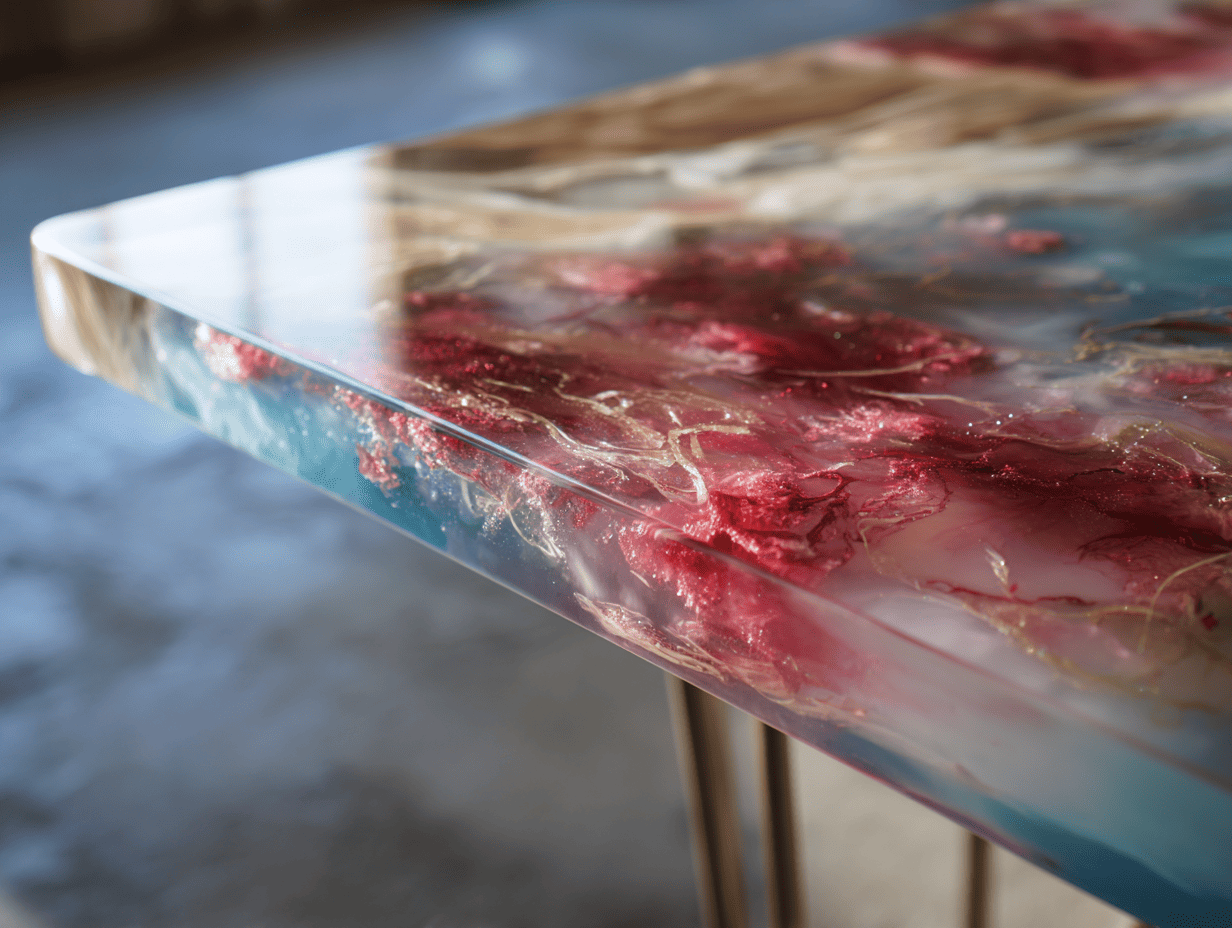
Focus on boat hull lamination
Boat hull lamination not only enhances appearance but also increases the hull’s strength and extends its lifespan. Would you like to understand the process involved in laminating your boat hull? Discover everything you need to know about this technique.
What are the key steps to successfully laminate a boat hull?
Laminating a boat hull is not a simple process and requires precision and care to achieve a good result. Because it involves thermosetting resins (which become infusible and insoluble once cured), you must be confident in each step—once the resin has hardened, there is no going back. To help you avoid mistakes, here are the essential steps to follow for a successful outcome.
Step 1: Preparing the surface for lamination
First and foremost, the boat hull must be properly prepared before starting the lamination process. Use a sander to smooth the surface and eliminate any irregularities. Once sanding is complete, the hull must be thoroughly cleaned, as dust is your main enemy. For an even cleaner result, you can use a solvent such as acetone. Finish the preparation by drying the hull completely.
Step 2: Preparing the necessary materials
As you can see, laminating a boat hull requires a high level of rigor. Before starting, it is recommended to gather all the necessary equipment so that every tool you need is within reach. This step also allows you to make sure nothing is missing. Take this opportunity to cut your fabrics to size and prepare your resin, strictly following the recommended mixing ratios. Add the hardener to the resin according to the quantity used.
Step 3: Applying resin reinforced with fiberglass
Once the preparation steps are complete, it’s time to move on to the actual lamination of the hull. The process begins by coating the hull with the prepared resin. You can then place a first layer of fabric and impregnate it with resin. A second layer of fibers is added, followed again by resin impregnation. You can repeat this operation as many times as needed, depending on the thickness you want to achieve.
Good to know: When laminating your boat hull, you must wear appropriate safety equipment to protect yourself from contact with and fumes from these chemical products. The use of gloves, a mask, protective clothing, and safety goggles is strongly recommended.
What conditions must be respected?
Boat hull lamination is a delicate operation that can be compromised if certain precautions are not followed. Here’s what you need to keep in mind.
The working conditions can significantly affect the final result—especially ambient temperature. The temperature of the workspace plays a major role in resin curing. Depending on the temperature, you must choose suitable products and adapt your working process accordingly. In particularly hot conditions, choose a slow hardener. Conversely, in colder environments, a fast hardener is recommended.
Humidity is also an important factor. For successful lamination, the workspace should be as dry as possible.
Which products can be used?
Several products can be used to laminate a material. How do you choose the right one, and what are their characteristics?
Which type of resin should you choose?
There are two main types of resins: polyester resin and epoxy resin.
Polyester resin is widely used in the manufacture of composite materials. It is easy to use and cures quickly when applied at ambient temperatures between 15°C and 25°C. However, its main drawback is its poor resistance to moisture. To compensate for this, it is recommended to apply a gelcoat layer on the surface to ensure proper waterproofing.
Epoxy resin, on the other hand, is more resistant and completely waterproof. It is widely used for bonding applications and offers excellent adhesion. Made up of two components (resin and hardener), epoxy is more demanding to work with than polyester resin. For optimal results, it is recommended to use it at temperatures between 20°C and 25°C.
Which type of fiber should you choose?
As with resins, there are also two main types of reinforcement fabrics: woven fibers, also known as roving, and non-woven fibers, also known as mat.
For more information about the right tools and resins to use for boat lamination, feel free to contact us.