Each type of epoxy has its own unique characteristics, and each comes with its advantages and disadvantages. You must absolutely do your research before selecting an epoxy resin for a project.
What is epoxy resin?
Before going into detail, a quick reminder is useful. Epoxy resin is a thermosetting polymer made up of a resin base and a hardener. When these two components are mixed, an exothermic reaction causes the resin to cure. Epoxy resin is suitable for all types of substrates and makes it possible to create many different projects—provided you choose the right one.
To choose the right epoxy resin, you must first identify the materials you will be working with.
Epoxy resin for wood
The combination of epoxy resin and wood can be used in many ways: repairing or sealing wooden surfaces, casting resin into wood, creating river tables or other resin furniture, and much more. The possibilities are endless.
Before getting started, it is essential to choose the right epoxy resin for your project. To do so, you must keep the characteristics of the substrate in mind.
Wood reacts to different levels of humidity in its environment. It expands and contracts, which can cause issues when combined with resin. Above all, it is therefore important to choose an epoxy resin that is suitable for wood.
To make the right choice, you need to consider how you intend to use the resin. For example, to create a river table, choose a low-viscosity resin. This will not be the case for bonding or repairing a wooden part, where a higher-viscosity resin will be more effective. Finally, take into account the curing time and the final use of your object or project. Will it be exposed to water? To UV rays?
Our epoxy resin recommendation for wood:
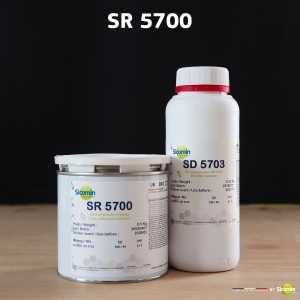
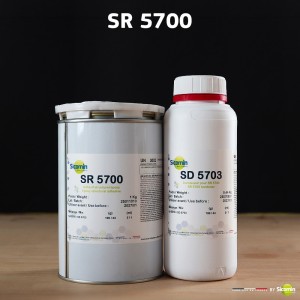
Epoxy Resin SR 5700 + Standard Hardener SD 5703
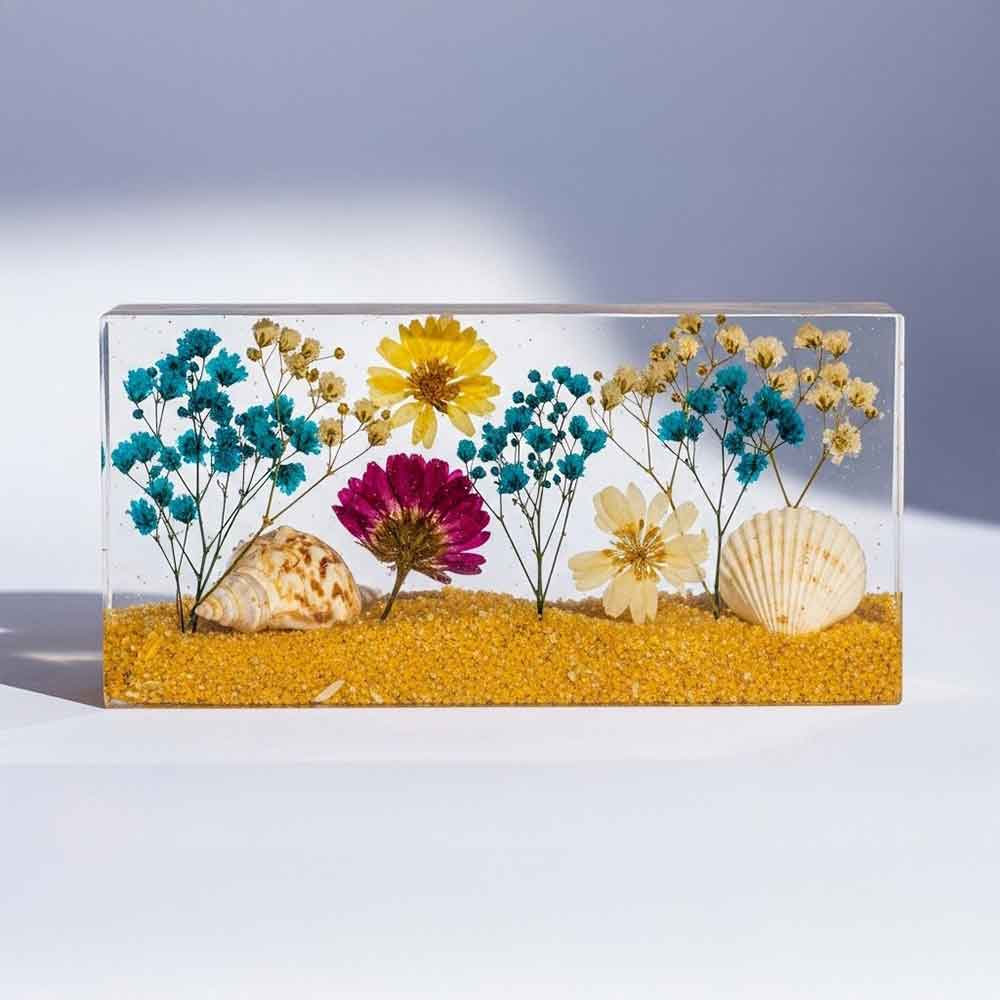
Epoxy resin for creating decorative objects
Do you want to create unique decorative items? Epoxy resin can help you easily produce beautiful projects. The key to achieving a perfect finish is choosing a suitable resin.
Most resins are transparent, but you need to ensure the clarity of the resin for your project. You should also know that you can add color by using suitable pigments or dyes.
If you plan to use resin in a mold, you will again need a low-viscosity resin to achieve the best results. In addition, thanks to its slower curing time, you can work in thicker layers.
On the other hand, for creating jewelry or other decorative items, a resin with higher viscosity is preferable. It is also useful for coatings and paint finishes.
Our epoxy resin recommendation for jewelry making:
Epoxy Resin SR GLASS ONE + GLASS ONE Hardener
Epoxy resin for boats
Epoxy resin has more than one use on a boat. Whether for repairing the hull or renovating the interior, epoxy resin is perfectly suited to marine applications thanks to its excellent impermeability and outstanding durability over time.
However, once again, you must choose the right resin. As always, remember to take into account the substrate and the final use in order to make the right choice.
Our epoxy resin recommendation for boating:
Epoxy Resin SR 1500 + Slow Hardener SD 2503
Epoxy resin for flooring
Resin floors are trendy—and for good reason, as they offer many advantages.
Epoxy floor coatings are designed to last. Some thicker types of resin flooring can even be harder than concrete. They are therefore able to withstand years of foot traffic, impacts, and even chemical products. They also offer a wide range of customization options.
Because they have no joints, they are easy to clean. Epoxy coatings can incorporate flakes or decorative aggregates and offer a wide range of colors, allowing you to design a floor that matches both your brand image and your operational needs.
Our epoxy resin recommendation for flooring:
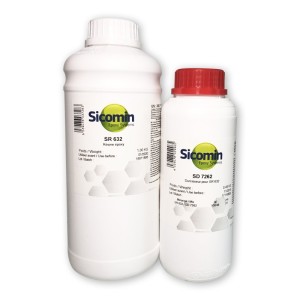
Epoxy Resin SR 632 + Hardener SD 7262
In summary
To choose the right epoxy resin for your project, you need to consider the specific characteristics of the material on which you plan to apply the resin, as well as how you intend to use it: working in thick layers, pouring it into a mold, or using it as a coating.
All these details will help you choose the right resin, which will ultimately determine the final appearance of your project.
Finally, don’t forget to always read the labels and follow the manufacturer’s instructions for the best results.