













Which products are recommended by Sicomin for making an epoxy resin table?
-
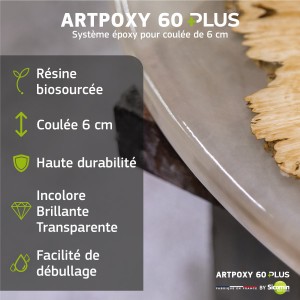
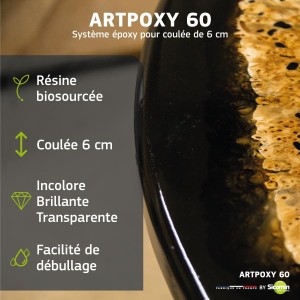
ARTPOXY 60 or ARTPOXY 60 PLUS (for casting)
-
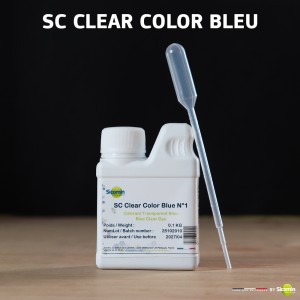
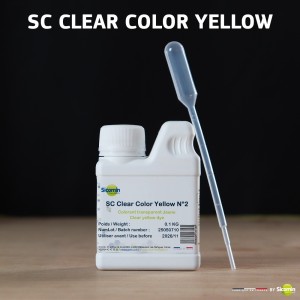
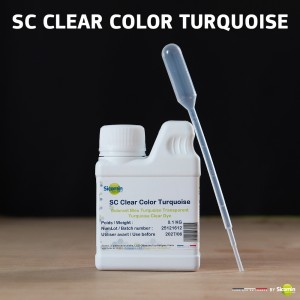
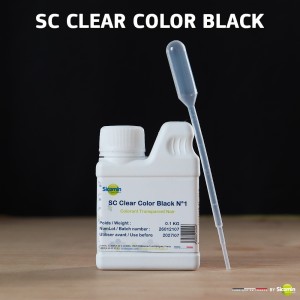
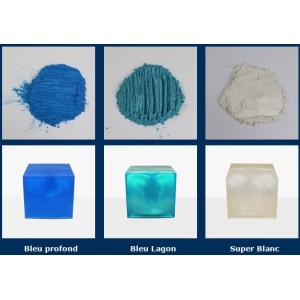
SC Clear Color (for coloring)
-
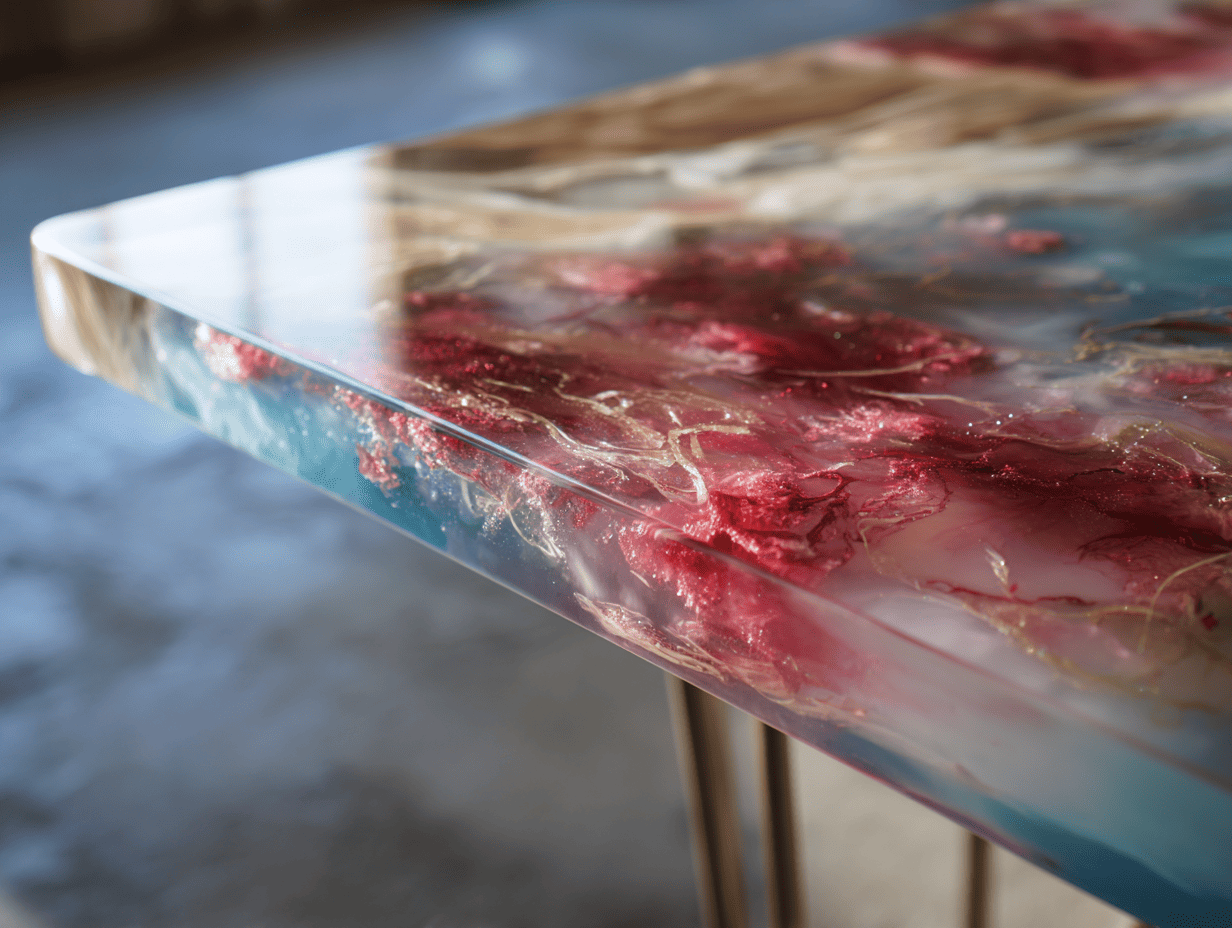
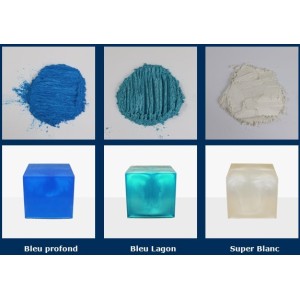
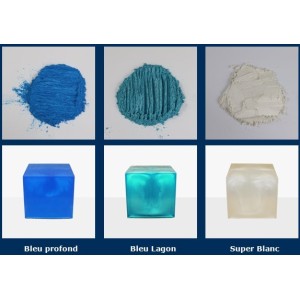
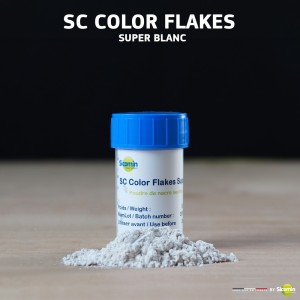
SC Color Flakes (glitter / pearlescent effects)
-
Protective equipment:
-
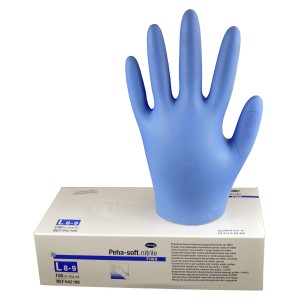
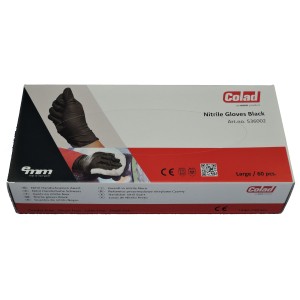
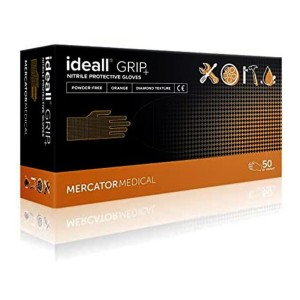
Nitrile gloves
-
Safety glasses
-
Accessories:
-
Mixing sticks
-
Bucket
-
For the mold:
-
FK 1000P wax / FK 89
-
Why are epoxy resin tables so trendy?
Explaining the growing popularity of epoxy resin tables among individuals is easy—there are many reasons to be won over:
-
They are strong and durable: Epoxy resin is extremely strong and impact-resistant, making it an ideal material for furniture subjected to daily use.
-
They are easy to maintain: Simply wipe them with a damp cloth to clean them.
-
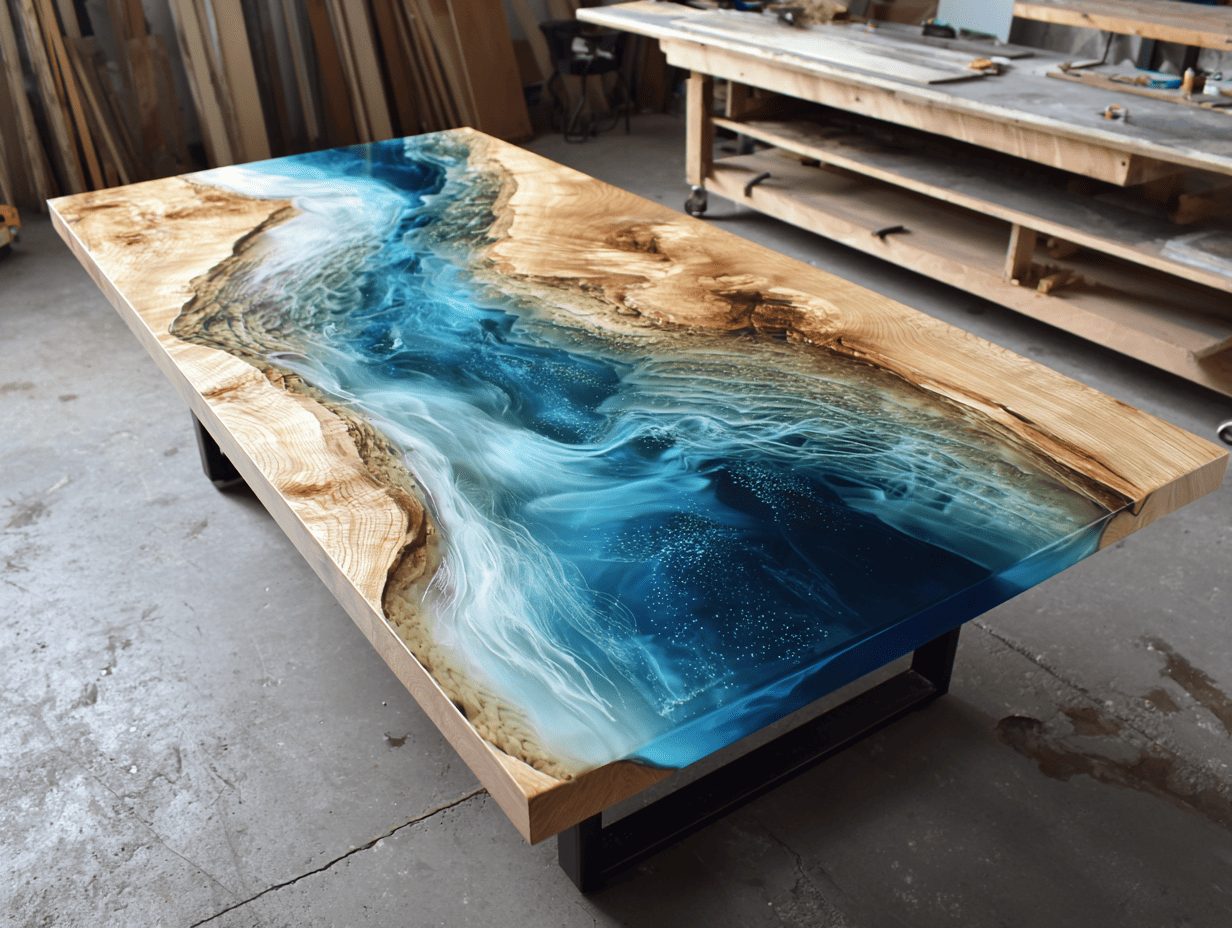
They are aesthetic: Epoxy resin can be colored in many different ways, allowing the creation of tables in all colors and styles. You can even embed objects or reclaimed materials to give the table a unique and original look.
-
They are versatile: Epoxy tables can be used in all types of rooms, from the living room and dining room to the kitchen and bedroom.
-
They suit both modern, design interiors and more traditional spaces.
-
In short, epoxy tables are trendy because they are strong, easy to maintain, visually appealing, and versatile.
Steps to create an epoxy resin table
-
Prepare the surface:
Choose a solid and smooth base for your table. This can be a wooden, glass, or metal top, or even an MDF board. Make sure to sand and clean the surface before starting. -
Mix the epoxy resin:
Follow the manufacturer’s instructions to mix the epoxy resin and hardener. Use an electric mixer to ensure a homogeneous mixture. -
Add pigments or effects:
If you want to add color or effects, this is the right moment. You can use powder pigments, resin dyes, or incorporate objects or reclaimed materials into the resin. -
Apply the resin:
Pour the resin onto the surface and spread it using a spatula or a brush. -
Accelerate curing:
Use an infrared lamp or a hair dryer to speed up the curing process. -
Sand and polish:
Once the resin is fully cured, sand it with fine-grit sandpaper to smooth the surface. You can also use a polish or wax to give your table a glossy finish. -
Apply a finish:
To protect your table and give it a professional look, you can apply a clear varnish.
It is important to follow the epoxy resin manufacturer’s instructions and respect safety precautions throughout the process. If you are not used to working with these materials, seeking help or advice from a professional may be a good idea.
1 ideas for creating an original epoxy resin table
-
Use an unusual table base, such as an old skateboard, a bicycle frame, or an ironing board.
-
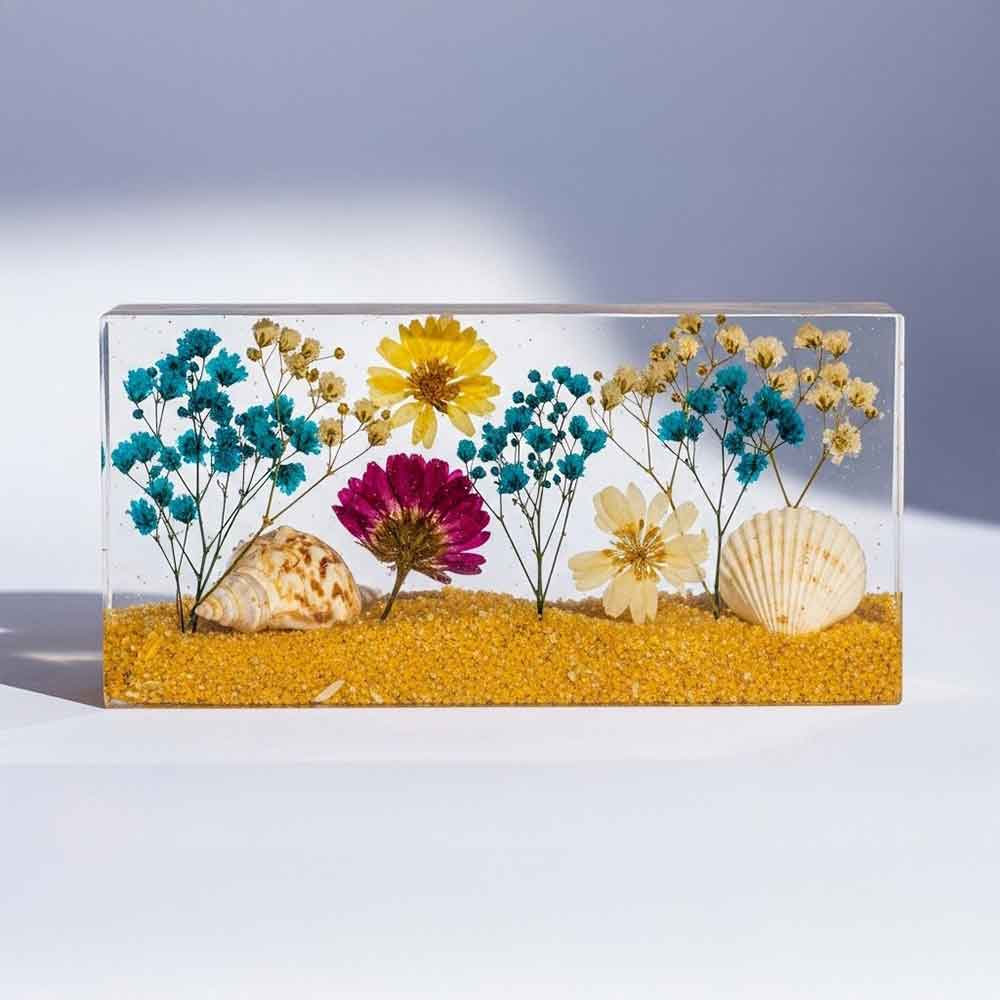
Add unique decorative elements to the tabletop, such as shells, stones, or dried flowers.
-
Use colored pigments to create complex patterns and designs in the epoxy surface. Brushes or stencils can help achieve precise designs.
-
Create a sense of movement by layering different colors and playing with light reflections.
-
Add lighting elements such as LEDs or neon lights to create a luminous effect.
-
Use transparent or translucent objects in the top epoxy layer to create depth and texture.
-
Incorporate reclaimed materials such as glass, metal, wood, or stone for a unique and original look.
-
Use a glass panel on top of the table to enhance depth.
-
Use a silicone mold to create shapes and reliefs in the epoxy resin.
-
Experiment with different shades and textures of epoxy resin to create marble, granite, wood, or stone effects.
-
Add metallic elements for an industrial or futuristic style, or use recycled and eco-friendly materials for an ethical and sustainable approach.
We hope these ideas inspire you to create an original and unique epoxy resin table. There are countless possibilities for designing a personalized epoxy table—don’t hesitate to be creative and try new things!